
Can You Get Dental Implants With Bone Loss?
Dental implants with bone loss can often be possible when the jaw is prepared adequately for implant support. Treatment may involve bone grafting before implants, a sinus lift for implants, or implant designs that use available bone. Wicker Park Dental Group evaluates implant candidates with imaging and individualized treatment planning.
Can you get dental implants if you have bone loss?
Yes, some patients with jawbone loss can still receive dental implants after appropriate evaluation and, when needed, bone augmentation.
A dental implant needs sufficient bone volume and quality for stable placement. Bone loss can occur after tooth loss, periodontal disease, trauma, infection, or prolonged absence of a tooth.
The amount and location of bone loss matter. A patient may have adequate bone in one area but not enough in another. The upper back jaw can be particularly challenging because the maxillary sinus occupies space above the teeth.
A clinical examination alone cannot determine whether there is enough bone. Dental imaging, including X-rays and 3D cone-beam computed tomography, can help evaluate available bone and nearby anatomical structures.
Why does bone loss affect dental implant placement?
Bone loss can limit the amount of jawbone available to stabilize an implant in the planned position.
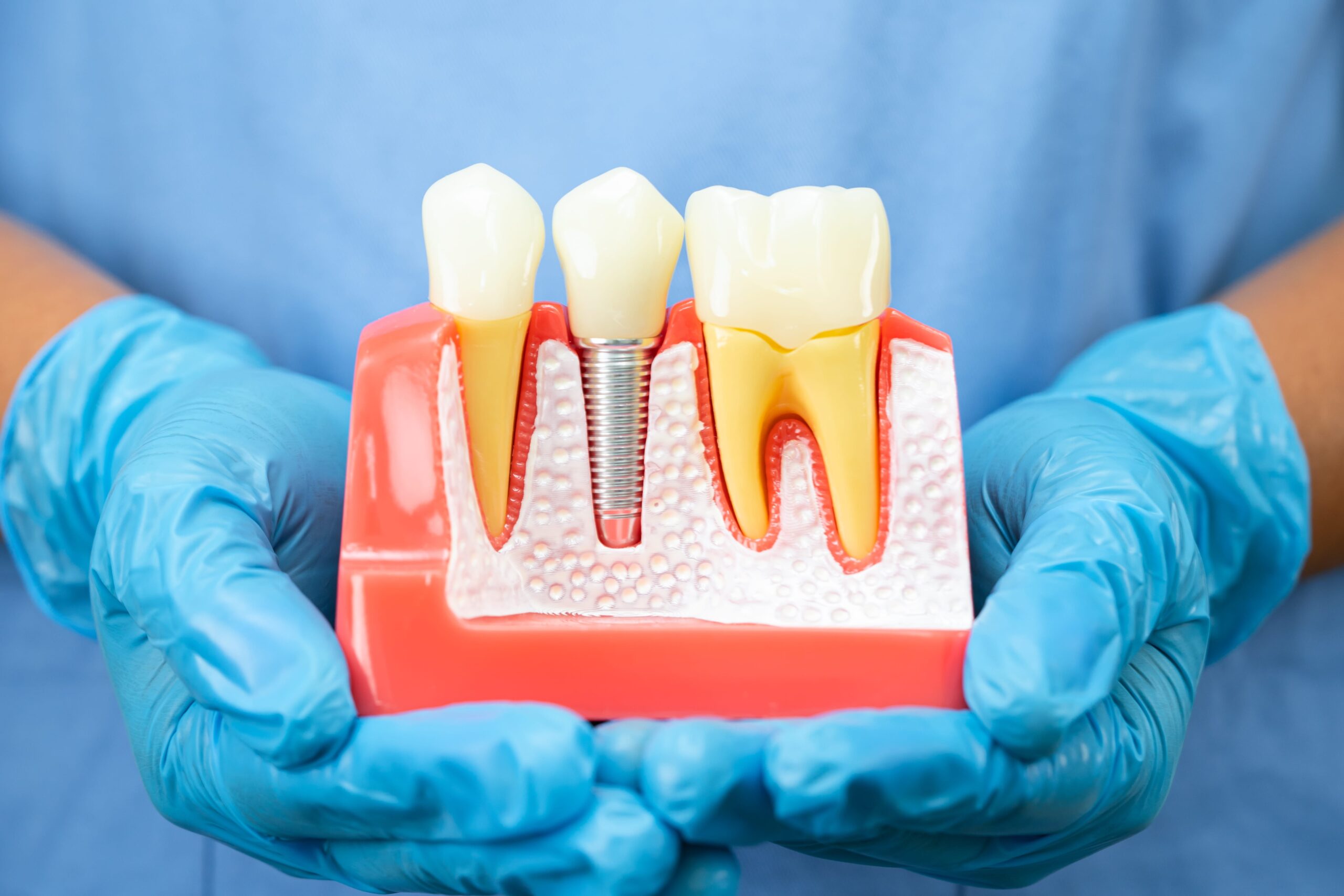
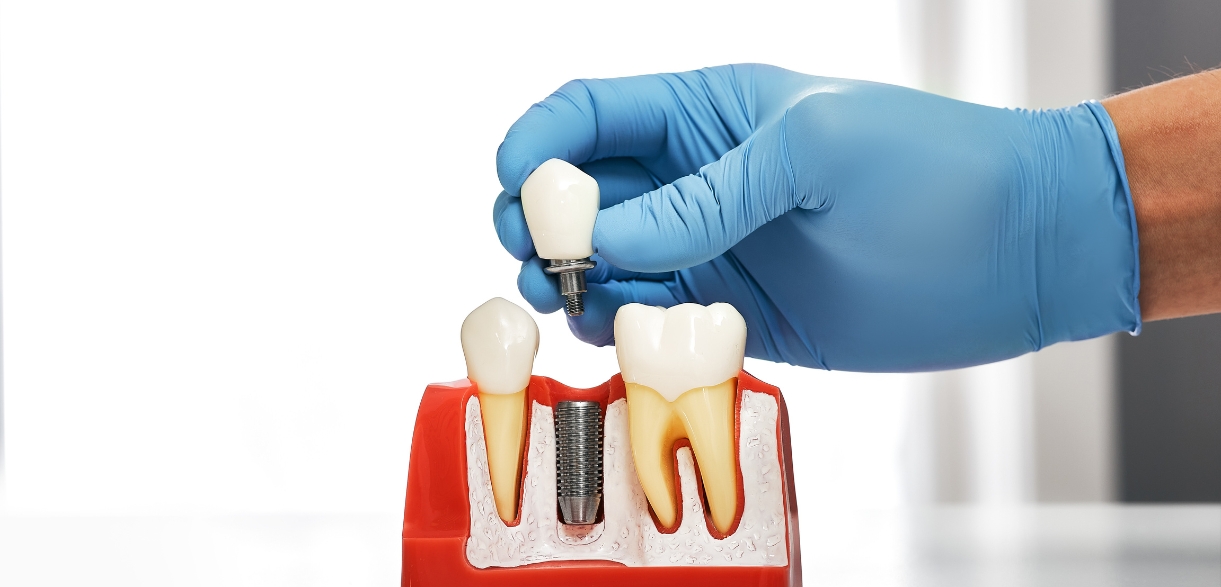
An implant is placed into the jawbone and requires sufficient bone support for stability during healing. When bone volume has decreased, placing an implant without addressing the deficiency may not provide the conditions required for predictable treatment.
Bone loss also varies by dimension. Some patients have reduced bone width. Others have reduced vertical height. The defect may affect the front or back of the upper jaw or the lower jaw.
The treatment plan therefore depends on the exact anatomy rather than simply whether a patient has been told they have “bone loss.”
Do you need a bone graft before getting implants?
A bone graft may be recommended when existing jawbone does not provide enough volume for stable implant placement.
Bone grafting before implants is designed to rebuild deficient areas of the jaw. The graft material provides a framework that can support new bone formation during healing.
Common graft materials include autogenous bone, allograft material, xenograft material, and synthetic substitutes. The appropriate material depends on the defect, surgical plan, and clinician’s assessment.
The timing also varies. Some patients require a healing period before implant placement. In selected cases, an implant may be placed at the same time as bone augmentation.
Wicker Park Dental Group’s implant information explains that patients with bone loss may need bone grafting before implant placement. Its published implant content also describes the use of 3D imaging during treatment planning.
What is a sinus lift for dental implants?
A sinus lift raises the floor of the maxillary sinus to create additional bone volume for implants in the upper back jaw.
A sinus lift, also called sinus augmentation or sinus floor elevation, is used when insufficient bone exists between the upper jaw and the sinus.
During the procedure, the sinus membrane is carefully elevated. Bone-grafting material may then be placed beneath the elevated membrane to create an area where new bone can develop.
The American Academy of Periodontology states that bone development after sinus augmentation commonly takes about four to 12 months before implant placement, although some cases allow simultaneous implant placement.
The appropriate technique depends on the remaining bone height, implant position, anatomy, and surgical approach.
Can implants be placed without a bone graft?
Some patients with bone loss may receive implants without conventional bone grafting when sufficient usable bone remains or another implant approach is appropriate.
Not every case of bone loss requires a separate grafting procedure. The available bone, implant position, restoration design, and anatomy determine whether augmentation is necessary.
Full-arch implant treatment can also use strategically positioned implants to take advantage of existing bone. Wicker Park Dental Group describes an All-on-4 or “Teeth in a Day” approach that can use angled and straight implants to avoid the sinuses in selected patients.
This does not mean every patient with inadequate bone is automatically suitable for that approach. Imaging and clinical evaluation are required to determine whether the available anatomy supports the planned implant position.
How long does treatment take when bone grafting is required?
Bone grafting can extend the overall implant timeline because the augmented area may need to heal before definitive implant placement.
Healing time depends on the location and size of the graft, the surgical technique, the patient’s healing response, and whether implant placement occurs simultaneously.
For sinus augmentation, the American Academy of Periodontology reports that bone may be allowed to develop for approximately four to 12 months before implant placement. Some cases can proceed with implant placement during the same surgical stage.
Wicker Park Dental Group states that a single-tooth implant timeline typically takes about five to six months from start to finish and that bone grafting can increase treatment time.
How does a dentist determine whether you have enough bone for implants?
A dentist evaluates bone volume, bone quality, anatomical structures, gum health, and the planned restoration before deciding whether implant placement is appropriate.
The evaluation commonly considers:
- Bone volume: The available height and width of the jawbone.
- Bone quality: The density and structural characteristics of the bone.
- Anatomy: Structures such as the maxillary sinus and mandibular nerve.
- Gum health: Periodontal inflammation can affect implant planning and healing.
- Tooth position: Adjacent teeth and the planned replacement tooth affect implant positioning.
- Restoration design: The final crown, bridge, or implant-supported prosthesis influences where the implant should be positioned.
A 3D scan can provide detailed information about the proposed implant site and surrounding anatomy. The treatment plan should be based on the patient’s specific imaging and clinical findings.
Is dental implant treatment possible after severe bone loss?
Severe bone loss does not automatically rule out implants, but it may require advanced reconstruction or an alternative implant strategy.
Extensive deficiencies can require ridge augmentation, sinus augmentation, or other surgical techniques. The feasibility depends on the remaining anatomy and the patient’s overall oral condition.
A systematic review published in the International Journal of Oral & Maxillofacial Surgery found that sinus augmentation can support implant treatment in patients with deficient posterior maxillary bone, although techniques and outcomes vary among studies.
The American Academy of Periodontology also identifies ridge modification as a procedure used to address inadequate bone in the jaw before implant treatment.
When should you discuss dental implants with bone loss?
A consultation is appropriate when you have missing teeth, have been told you lack sufficient bone, or want to know whether bone augmentation is necessary.
If you are researching Dental Implants in Chicago, visiting Wicker Park Dental Group can assess your implant site and explain whether bone grafting, sinus augmentation, or another treatment approach is appropriate.
You can also review Dental Implants: What You Need to Know for additional information about implant placement, healing, and candidacy. When you are ready to discuss your specific bone condition, contact Wicker Park Dental Group to schedule an evaluation.
FAQs
Can you get dental implants with bone loss?
Yes, dental implants may still be possible with bone loss when sufficient bone can be developed or an appropriate implant strategy can use the remaining anatomy.
Do you always need a bone graft before dental implants?
No, a bone graft is not required in every case because some patients have enough usable bone for implant placement without separate augmentation.
What happens if there is not enough bone for implants?
The dentist may recommend bone grafting, sinus augmentation, ridge modification, or another implant strategy based on the location and severity of bone loss.
How long after a sinus lift can you get implants?
The American Academy of Periodontology states that bone development commonly takes about four to 12 months, although some cases allow simultaneous implant placement.
Can severe bone loss prevent dental implants?
Severe bone loss can make conventional implant placement more complex, but it does not automatically eliminate implant treatment when augmentation or alternative implant positioning is feasible.
Related Articles