
Does The Tooth Pain Increase Days After Root Canal Treatment?
It is completely natural to expect instant relief after a root canal. After all, the procedure removes the infected pulp and nerve tissue inside your tooth. However, many patients notice that their tooth pain actually increases 2 to 4 days after a root canal rather than improving immediately.
If your treated tooth feels throbbing, tender when biting, or worse on Day 3 than it did on Day 1, you are not alone. Mild to moderate post-procedure soreness is a standard part of the tissue recovery process. But when does expected healing pain cross the line into a complication?
If a patient experiences increased or persistent pain after a root canal treatment, it’s essential to contact their dentist or endodontist promptly for further evaluation. Depending on the underlying cause of the pain, additional treatment may be necessary to address the issue and alleviate discomfort. This could include prescribing antibiotics to treat an infection, performing a retreatment of the root canal to remove any remaining infected tissue, or adjusting the restoration to improve the fit and relieve pressure on the tooth.
Below is a complete breakdown of why tooth pain increases days after a root canal, a day-by-day recovery timeline, normal symptoms versus red flags, home management protocols, and when Chicago patients should seek immediate care.
Quick Summary: Is Increasing Pain Normal?
The Short Answer: Mild tenderness that peaks 24 to 72 hours after treatment is usually a normal inflammatory response in the bone and ligaments surrounding the root tip. However, sharp, throbbing, or escalating pain after Day 4—especially when accompanied by swelling or fever—signals a potential issue (such as a high bite, an endodontic flare-up, or a missed canal) that requires a quick check by your dentist.
Day-by-Day Post-Root Canal Pain Timeline
Understanding what to expect each day helps reduce anxiety and prevents unnecessary concern during recovery.
| Healing Window | What’s Happening Inside Your Mouth | Expected Pain Level & Symptoms |
| Day 1 (0–24 Hours) | Local anesthesia wears off. Inner tooth nerve is gone, but surrounding periodontal ligaments are irritated from dental instruments. | Mild to Moderate Ache. Tender when touching the tooth or resting your jaw. Easily controlled with OTC pain relievers. |
| Days 2–3 (24–72 Hours) | Peak Inflammatory Response. Your immune system sends white blood cells and fluid to the bone tissue surrounding the root tip to begin healing. | Peak Soreness / Throbbing. Pain may temporarily increase or feel dull and bruised, especially when chewing or applying bite pressure. |
| Days 4–7 | Inflammation begins to subside as tissue heals around the root tip. | Gradual Improvement. Soreness should steadily fade day by day. You should notice significantly less discomfort than on Day 2 or 3. |
| Week 2 and Beyond | The surrounding bone and ligaments have settled. The tooth is ready for its permanent crown. | Zero to Minimal Discomfort. The tooth should feel completely normal during daily eating and drinking. |
6 Reasons Tooth Pain Increases Days After a Root Canal
Even though the nerve inside the tooth was removed, the tooth sits inside a socket lined with sensitive living tissue, blood vessels, and nerves (the periodontal ligament). Here are the primary reasons pain can intensify a few days post-procedure:
1. Periapical Inflammation (Irritated Bone & Ligaments)
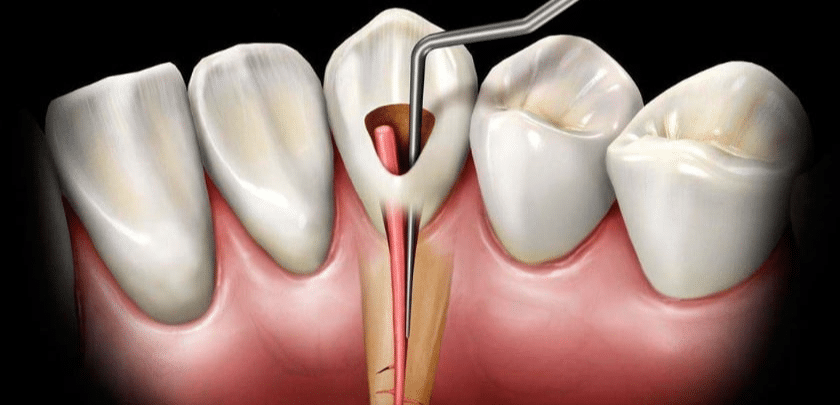
During cleaning and shaping, dental instruments and antiseptic rinses work near the very tip of the root (the apex). This mechanical and chemical action causes localized inflammation in the surrounding bone socket. Just like a deep tissue bruise, this inflammation often peaks 48 to 72 hours later.
2. High Bite on a Temporary Filling or Crown
If your temporary filling or crown sits even a fraction of a millimeter too high, your opposing teeth hit it first every time you chew or swallow. Over 2 to 3 days, this constant micro-trauma severely inflames the periodontal ligament, causing sharp, escalating pain when biting down. (This is the most common reason for delayed pain and requires a 2-minute bite adjustment at the dental office).
3. Endodontic “Flare-Up”
An endodontic flare-up occurs in 3% to 6% of root canal treatments. It is an acute tissue reaction caused by changes in pressure or debris pushing past the root apex during cleaning. It results in a sudden spike in pain and localized swelling 24 to 72 hours post-treatment.
4. Over-Extended Filling Material or Cleaners
If cleaning solutions or gutta-percha (filling material) extend slightly beyond the root tip into the surrounding bone space, the body reacts with an inflammatory response until the area stabilizes.
5. Missed Canals or Anatomical Complexities
Teeth—especially upper and lower molars—can have complex root systems with 4 or more narrow, curved, or hidden canals. If an extra canal was missed during the initial procedure, residual infected pulp or bacteria can cause pain to re-emerge days later.
6. Hairline Root Fractures
If the natural tooth structure had a tiny, undetected crack prior to treatment, biting pressure post-procedure can flex the crack, irritating the jawbone and causing persistent or worsening discomfort.
Normal Recovery vs. Warning Signs: How to Tell the Difference
Use this guide to determine whether your discomfort is part of normal healing or requires a follow-up exam:
EVALUATING YOUR POST-ROOT CANAL PAIN
NORMAL HEALING:
• Peaks within 48-72 hours
• Dull, bruised ache
• Managed with Ibuprofen/Tylenol
• Gradual improvement by Day 5
• No fever or pus
CALL YOUR DENTIST:
• Worsens steadily after Day 4
• Sharp, intense, or throbbing
• Uncontrolled by OTC medication
• Visible facial or gum swelling
• High bite / Premature contact
| Symptom Category | Normal Healing (Monitor at Home) | Abnormal / Red Flag (Contact Dentist) |
| Pain Trajectory | Soreness peaks on Day 2–3 and gradually decreases by Day 4–5. | Pain steadily worsens or spikes sharply after Day 4. |
| Pain Type | Dull ache, mild throbbing, or bruised sensation when pressing on the tooth. | Severe, sharp, pulsating pain that wakes you up from sleep. |
| Bite Reaction | Tender when chewing hard foods; manageable on soft foods. | Extreme, shooting pain the instant opposing teeth touch the crown. |
| Swelling | Mild tenderness or slight puffiness in adjacent gum tissue. | Noticeable facial, cheek, jaw, or neck swelling; pimple on the gums. |
| Systemic Signs | Normal body temperature and energy levels. | Fever, chills, nausea, or swollen lymph nodes. |
How to Manage & Reduce Pain at Home
If your discomfort falls within the normal healing range, follow these dentist-approved home care steps to accelerate recovery:
1. Follow the Dual OTC Anti-Inflammatory Protocol
Unless contraindicated by your physician, combining Ibuprofen (an NSAID that targets tissue swelling) and Acetaminophen (a pain blocker) provides optimal relief:
- Ibuprofen (Advil/Motrin): 400 mg to 600 mg every 6 to 8 hours with food.
- Acetaminophen (Tylenol): 500 mg every 6 hours as needed.(Always consult your dentist or physician regarding maximum daily dosages and personal health restrictions).
2. Warm Saltwater Rinses
Mix 1/2 teaspoon of salt into 8 ounces of warm water. Gently swish for 30 seconds and spit out 3 to 4 times a day. Hypertonic salt water reduces gum tissue swelling and draws out excess fluid from irritated gums.
3. Adjust Your Diet & Avoid Chewing on the Treated Side
Stick to soft foods (mashed potatoes, yogurt, scrambled eggs, smoothies, and warm soups) for the first 3 to 5 days. Avoid chewing directly on the side of the root canal until your permanent crown is seated and all tenderness has resolved.
4. Cold Compress for Jaw Soreness
Apply a cold pack or ice wrapped in a towel to the outside of your cheek for 15 minutes on, 15 minutes off during the first 48 hours to minimize tissue swelling and numb deep aches.
5. Elevate Your Head While Sleeping
Prop your head up with an extra pillow when resting or sleeping. Elevating your head reduces localized blood pressure in the head and jaw, preventing the painful throbbing sensation that often worsens when lying flat.
When to Call Your Chicago Dentist Immediately
While most post-op discomfort subsides on its own, you should never “tough it out” if you suspect a complication. Contact Wicker Park Dental Group promptly if you experience:
- Escalating pain after Day 3 or 4 that does not respond to over-the-counter pain relievers.
- Visible swelling in your gums, cheek, or jawline.
- A feeling that your tooth hits first when you close your mouth or chew.
- A pimple-like bump (fistula) on the gums near the treated tooth discharging fluid or pus.
- Systemic symptoms such as fever, chills, or difficulty swallowing.
Frequently Asked Questions
Why does my root canal tooth hurt more on Day 3 than Day 1?
During the first 24 hours, lingering local anesthetic and initial medication suppress pain. By Day 2 and Day 3, your immune system’s inflammatory response reaches its peak in the bone surrounding the root apex. This tissue swelling creates pressure in a tight bony socket, causing a temporary increase in soreness.
Can a high bite cause severe pain days after a root canal?
Yes! A high temporary filling or crown is one of the most frequent causes of delayed pain. Because the tooth takes full impact every time your mouth closes, the underlying ligament becomes severely bruised and inflamed, leading to intense pain whenever pressure is applied. A quick bite adjustment by your dentist provides near-instant relief.
What is an endodontic flare-up?
An endodontic flare-up is an acute, temporary inflammatory response occurring within 24 to 72 hours after root canal therapy. It causes severe pain and localized swelling due to tissue irritation or changes in bacterial pressure. While uncomfortable, flare-ups can be managed effectively with prescription anti-inflammatories or antibiotics prescribed by your dentist.
How long should I wait before getting my permanent crown?
Most dentists recommend waiting 1 to 2 weeks after a root canal before placing the permanent crown. This window ensures that all post-procedure tissue inflammation has resolved and the tooth is completely symptom-free before sealing it permanently.