
11 Ways To Remove Coffee Stains From Your Teeth
There’s something utterly comforting about starting your day with a warm cup of coffee. It jumpstarts your mornings, kickstarts your productivity, and adds a touch of coziness to your daily routine. However, that daily indulgence often comes at a cost: persistent coffee stains on your teeth.
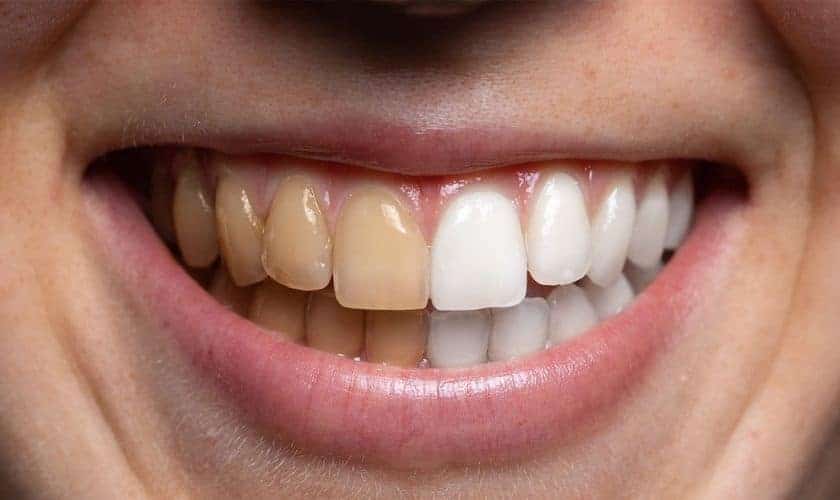
Those unsightly yellowish or brownish discolorations are a common woe for coffee lovers, but they don’t have to be a permanent fixture on your pearly whites. In this comprehensive guide, we explore 11 proven ways to remove coffee stains from your teeth, protect your enamel, and restore the natural brilliance of your smile.
Why Does Coffee Stain Your Teeth?
Before diving into the solutions, it helps to understand why your morning brew affects your teeth:
- Tannins: Coffee contains organic compounds called tannins (a type of polyphenol). Tannins make it easy for dark color pigments to adhere to your dental enamel.
- Porous Enamel: Tooth enamel is covered in microscopic pits and ridges that trap lingering tannins and dark pigments over time.
- Acidic Content: Coffee is naturally acidic. Acid temporarily softens tooth enamel, making it easier for stains to penetrate deeper into the underlying dentin layer.
11 Proven Methods to Eliminate Coffee Stains
1. Regular Dental Cleanings: Safeguard Your Smile’s Radiance
Routine checkups and professional cleanings are the single most effective way to maintain a stain-free smile. Dentists and hygienists use specialized ultrasonic scalers and polishing pastes to eliminate stubborn surface stains and plaque buildup that standard home brushing cannot remove.
Learn how our professional dental cleanings in Chicago keep your enamel healthy and visibly brighter.
2. Formulated Whitening Toothpaste
Whitening toothpastes are formulated to target extrinsic surface stains through daily use. Look for products containing mild abrasives alongside active stain-fighting ingredients like low-concentration hydrogen peroxide. These work synergistically to gently scrub and break down daily coffee residue over time.
3. Baking Soda & Hydrogen Peroxide Paste
Craft a homemade whitening paste by mixing a small amount of baking soda with hydrogen peroxide until it reaches a thick, spreadable consistency. Gently brush your teeth with this paste for 1–2 minutes and rinse thoroughly with water. The mild abrasiveness of baking soda combined with the bleaching action of peroxide helps lift stubborn surface discoloration.
Warning: While baking soda can scrub away surface stains, using it too frequently can wear down your protective enamel. Once enamel erodes, the yellowish dentin layer underneath becomes exposed, which actually makes your teeth appear more yellow. Limit homemade abrasive pastes to once per week using light pressure.
4. Oil Pulling
Embrace the traditional practice of oil pulling by swishing a tablespoon of organic coconut oil in your mouth for 15 to 20 minutes before spitting it out into a trash bin. Coconut oil contains lauric acid, which helps pull out bacteria and plaque buildup that absorb stain pigments. While results develop gradually, oil pulling offers a gentle, natural supplement to your daily routine.
5. Activated Charcoal
Activated charcoal is celebrated for its highly porous nature and natural binding properties. Available in toothpaste or powder form, it adsorbs surface stain-causing compounds. Gently brush with activated charcoal once or twice a week to help diminish surface discoloration without harsh scrubbing.
6. Straw Sipping for Prevention
Prevention outshines intervention. When drinking iced coffee or cold brews, use a straw to minimize direct contact between the dark liquid and the front surfaces of your teeth. Opting for reusable stainless steel or silicone straws provides an eco-friendly habit that keeps coffee stains at bay.
7. Strategic Rinsing & Timed Brushing
After finishing your coffee, immediately rinse your mouth with plain water to wash away loose tannins and residue. Wait at least 30 minutes before brushing your teeth. Because coffee acid temporarily softens enamel, brushing immediately after drinking can wear away enamel; waiting gives your saliva time to remineralize your teeth.
8. Professional Teeth Whitening Treatments
For deeper, persistent stains that over-the-counter methods cannot lift, in-office professional whitening provides the fastest and most dramatic results. Dental-grade whitening utilizes high-concentration hydrogen or carbamide peroxide under controlled conditions to break down intrinsic stains safely.
Explore our professional teeth whitening options in Chicago at Wicker Park Dental Group to brighten your smile by several shades in just one visit.
(Note: If severe enamel loss or deep structural staining makes bleaching ineffective, custom porcelain veneers offer a permanent, stain-resistant alternative.)
9. Chew Sugar-Free Gum with Xylitol
Chewing sugar-free gum for 20 minutes after drinking coffee stimulates natural saliva flow. Saliva is your mouth’s natural defense mechanism—it neutralizes coffee acids and washes away residual tannins before they stick. Choosing gum made with xylitol also helps reduce cavity-causing bacteria and plaque accumulation.
10. Dietary Adjustments & Water Hydration
Beyond coffee, beverages like black tea, red wine, and dark colas contain heavy tannins that compound tooth staining. Alternating sip-for-sip with fresh water while enjoying these drinks washes away pigments before they settle into enamel pores. Furthermore, eating crunchy fruits and vegetables like apples and celery stimulates saliva and naturally scrubs teeth as you chew.
11. Eliminate Tobacco Use
Smoking or using tobacco products significantly worsens coffee staining. The combination of coffee tannins with tobacco tar and nicotine creates dark, stubborn yellow-brown deposits that penetrate deeply into dental tissue. Quitting smoking protects both your overall health and the long-term brilliance of your smile.
Frequently Asked Questions About Coffee Stains
How long does it take for coffee to stain your teeth?
Tannins begin adhering to enamel immediately upon contact. Drinking coffee daily without rinsing or practicing proper oral hygiene can cause visible surface staining within a few weeks.
Can a regular dental cleaning remove coffee stains?
Yes! Routine professional dental cleanings effectively remove 100% of extrinsic surface coffee stains using specialized dental instruments and polishing compounds.
Does adding milk or cream to coffee prevent stains?
Adding milk can reduce staining slightly. Casein, the main protein in animal milk, binds to the tannins in coffee, preventing them from attaching as aggressively to tooth enamel.
Keep Your Smile Bright in Chicago
Coffee stains do not have to be an inevitable trade-off for enjoying your daily caffeine fix. By combining smart habits at home with routine professional dental care, you can enjoy your morning coffee while maintaining a bright, radiant smile.
Unsure which whitening method is best for your teeth? Contact Wicker Park Dental Group today to schedule your professional cleaning or whitening consultation in Chicago!