
Week-by-Week Invisalign Timeline: What to Expect at Every Stage
If you’ve just started researching clear aligners, one question comes up more than any other: what actually happens, week by week, once you commit to treatment? Understanding your Invisalign timeline ahead of time can make the entire process feel far less intimidating, especially if you’re weighing your options for Invisalign in Chicago and want a realistic picture of what lies ahead. While every smile is different, most patients move through a fairly predictable sequence of stages, and knowing what to expect at each point helps set you up for a smoother, more comfortable experience from day one.
Quick Answer: A typical Invisalign timeline includes an initial consultation, a fitting appointment, aligner changes roughly every one to two weeks, check-in visits every six to eight weeks, and a total treatment length of 6 to 18 months depending on case complexity.
Week 1: The Fitting Appointment and First Adjustment
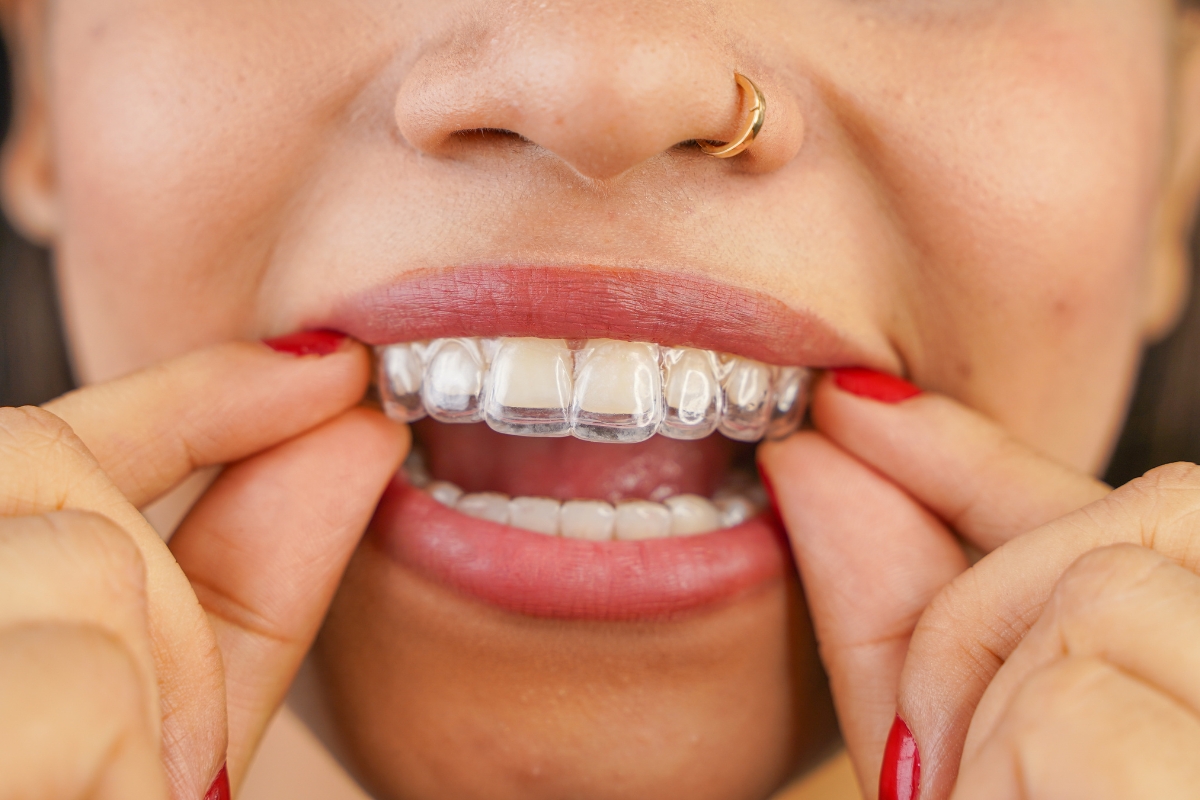
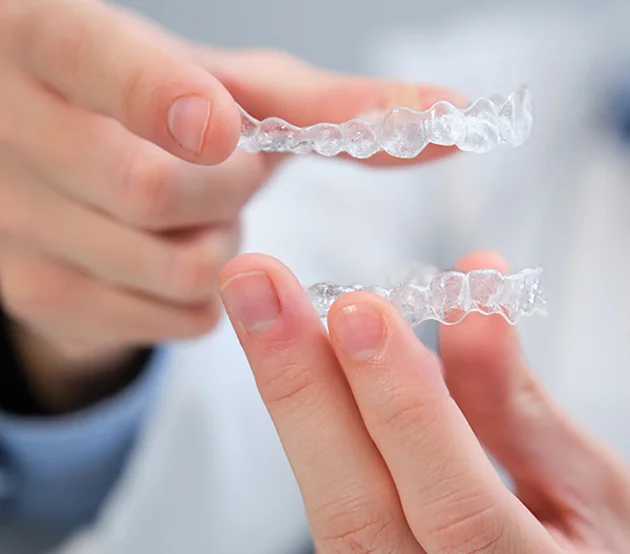
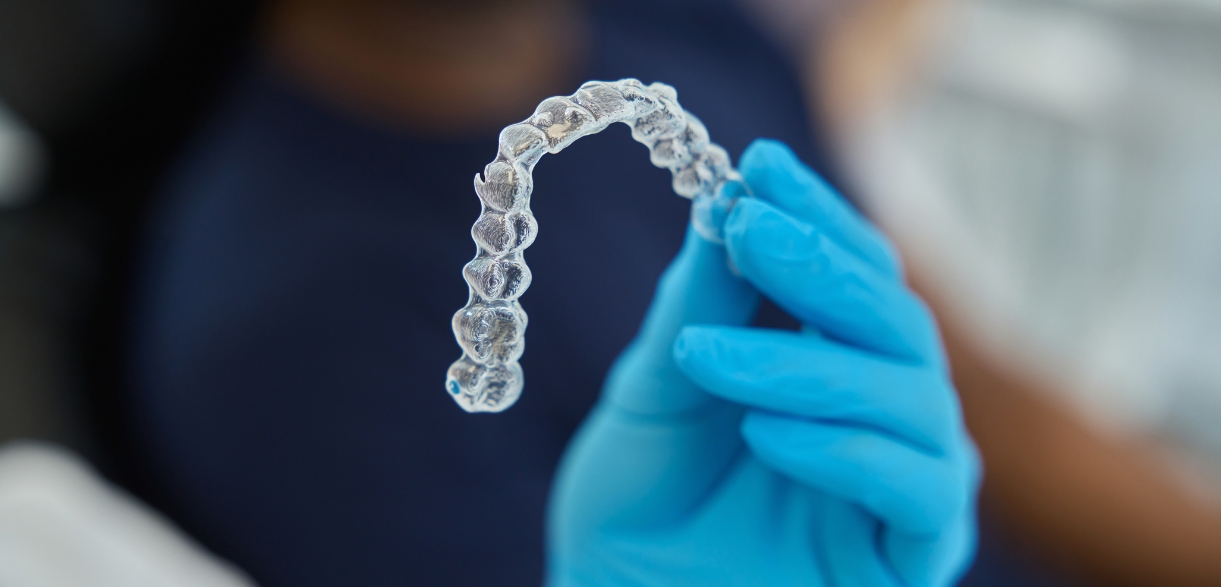
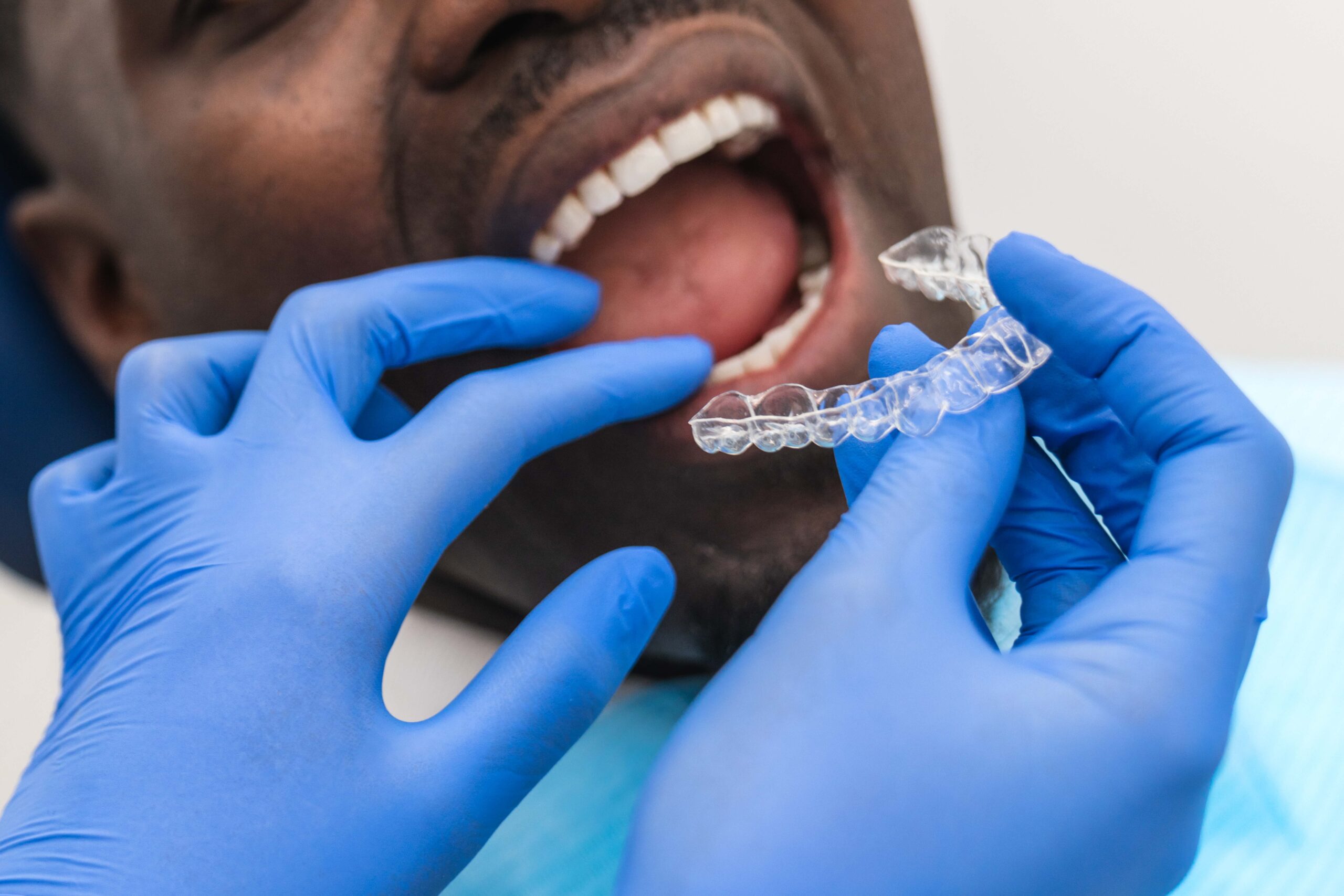
Your Invisalign journey begins with a precise digital scan of your teeth, which your dentist uses to map out a custom treatment plan showing how your smile will shift over time. Once your first set of aligners is ready, you’ll be fitted with trays and given instructions on wear time, typically 20 to 22 hours per day.
The first few days are often the most noticeable in terms of sensation. Mild pressure, slight lisping, and a feeling of tightness around the teeth are common as your mouth adjusts to a foreign object. This discomfort is generally a sign that the aligners are doing their job, gently guiding teeth toward their planned positions. Most patients find that any soreness fades within three to five days as the tissues acclimate.
Weeks 2–4: Settling Into a Routine
By the second week, most patients have adapted to wearing their aligners consistently and have developed a rhythm around eating, brushing, and reinsertion. This is also when you’ll typically switch to your second and third sets of trays, following your dentist’s guidance on timing.
Consistency matters enormously during this stage. Each aligner is engineered to move specific teeth by fractions of a millimeter, and skipping wear time can slow progress or require refinement later in treatment. Patients often notice their teeth feeling slightly loose right before switching trays, which is completely normal and indicates the aligners are actively repositioning teeth.
Weeks 5–8: Visible Movement Begins
Around the one-to-two-month mark, many patients start to see subtle but real changes in tooth alignment. Gaps may begin closing, crowded teeth may start to separate, and bite alignment can show early improvement. This is usually when a first in-office check-up is scheduled to confirm that treatment is tracking as planned.
During these visits, your dentist evaluates aligner fit, checks for any attachments (small tooth-colored bumps that help aligners grip certain teeth), and addresses any concerns about tracking. If a tray isn’t seating properly, minor adjustments can prevent delays later in the process.
Months 3–6: Steady Progress and Refinement
This middle stretch of treatment is where the bulk of tooth movement happens for most patients. You’ll continue progressing through aligner sets roughly every one to two weeks, with periodic check-ins to monitor fit and progress. For patients with moderate crowding or spacing issues, this is often when results become noticeable to friends and family.
Some patients require what’s known as a mid-course correction, an updated scan and revised aligner series to fine-tune movements that need extra precision. This isn’t a sign that something went wrong; it’s a normal part of achieving predictable, lasting results, and reflects the kind of careful oversight patients should expect from an experienced provider.
Months 6–12: Finishing Touches
For patients with mild to moderate cases, treatment may be nearing completion by month six. Others with more complex bite issues will continue through this stage, working through the final aligner sets that fine-tune tooth position and bite alignment. Regular monitoring remains important here, since even small deviations from the plan can affect the final outcome.
According to the American Association of Orthodontists, clear aligner treatment length varies significantly by case complexity, which is why a personalized evaluation early on gives a far more accurate timeline than generic averages found online.
Final Weeks: Reaching Your Ideal Smile
As you approach your last set of aligners, your dentist will assess whether your teeth have reached their planned final positions or whether a short refinement phase is needed. Refinements are common and simply involve a new scan and a few additional aligners to perfect results, particularly around bite alignment and minor rotations.
Retention Phase: Life After Active Treatment
Completing your aligner series isn’t the end of the story. Teeth are naturally prone to shifting throughout life, so wearing a retainer, whether removable or fixed, is essential to protecting your investment. Most dentists recommend full-time retainer wear for several months post-treatment, tapering to nighttime wear long-term. Skipping this phase is one of the most common reasons patients see relapse after otherwise successful treatment, so long-term maintenance deserves the same attention as the active treatment phase itself. If you’re ready to map out your own personalized clear aligner plan, a consultation is the best starting point.
Factors That Can Affect Your Personal Timeline
While the stages above reflect a typical Invisalign timeline, individual factors can shorten or extend treatment, including:
- The complexity of crowding, spacing, or bite misalignment
- Consistency of daily wear time
- Whether attachments or elastics are part of the treatment plan
- Age and rate of natural tooth movement
- Compliance with switching aligners on schedule
Visiting an experienced dental team will account for these variables during your consultation, giving you a realistic projection rather than a one-size-fits-all estimate.
Ready to see what your personalized Invisalign timeline could look like? The team at Wicker Park Dental Group offers comprehensive consultations to map out a treatment plan tailored to your smile goals. Schedule your visit today and take the first step toward a straighter, more confident smile with trusted Invisalign care in Chicago.
FAQs
How long does the average Invisalign treatment take?
Most patients complete treatment in 6 to 18 months, though mild cases may finish in as little as four to six months.
How often do I need to switch my aligners?
Most patients switch to a new set of aligners every one to two weeks, depending on their dentist’s specific treatment plan.
Does Invisalign hurt during the first week?
Mild pressure and soreness are common during the first few days of each new aligner but typically subside within a week as teeth and gums adjust.
How many hours a day do I need to wear my aligners?
For best results, aligners should be worn 20 to 22 hours daily, removing them only to eat, drink, and brush.
Will I need a retainer after finishing Invisalign?
Yes. Retainers are essential after active treatment to prevent teeth from shifting back toward their original positions.
Can my Invisalign timeline change during treatment?
Yes, mid-course corrections or refinement aligners are common and simply help fine-tune results for a more precise final outcome.