

7 Key Questions to Ask When Choosing a Local Dentist in Chicago
Finding a handful of dental practices in Chicago with high ratings is only the first step. The real challenge comes when narrowing down your list to choose the right provider for your long-term oral health. A polished website or a 5-star Google review can show popularity, but it doesn’t always tell you how a practice operates when you are sitting in the dental chair.
Once you have shortlisted 2 or 3 local practices, conducting a short phone consultation or asking targeted questions during your initial exam can reveal everything you need to know.
To ensure you choose a practice that delivers exceptional care, clinical excellence, and absolute transparency, ask these 7 crucial questions before making your final decision.
Question 1: “What Dental Services Do You Perform In-House vs. Referring Out?”
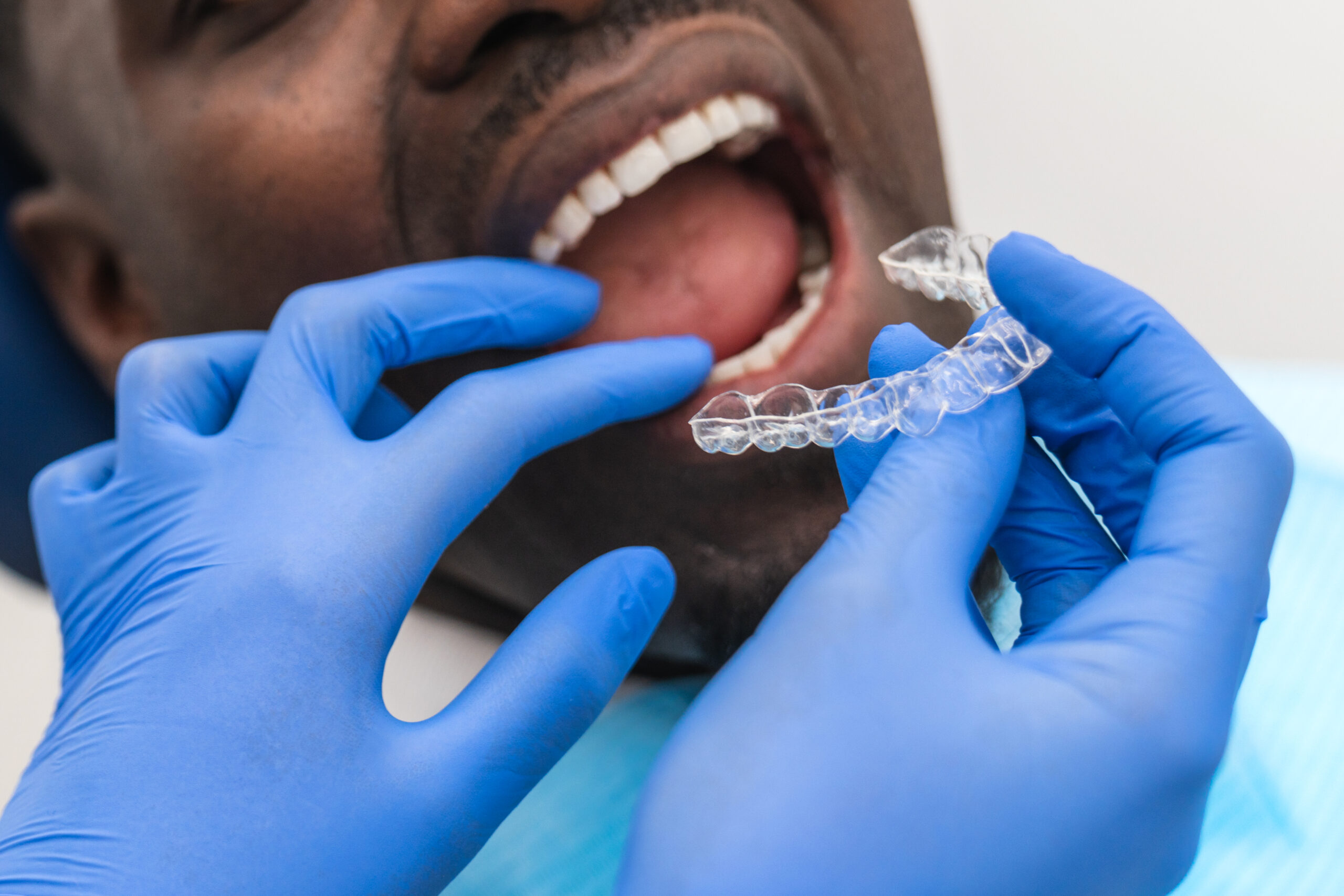
Many dental practices operate primarily on diagnostic exams and basic cleanings, regularly referring patients across Chicago for specialized procedures like root canals, clear aligner therapy, complex extractions, or dental implants. Navigating transfers between different specialists across the city leads to fragmented records, extra consultation fees, and unnecessary scheduling delays.
- What to Listen For: Look for a comprehensive practice capable of handling preventive, cosmetic, and advanced restorative care under one roof.
- The Wicker Park Dental Group Benchmark: From routine hygiene and teeth whitening to Invisalign® and emergency root canals, having a wide scope of in-house services allows your dental team to manage your entire treatment plan seamlessly without sending you to outside offices.
Question 2: “What Modern Dental Technology Do You Use During Exams and Procedures?”
Dental technology is not just about having high-tech gadgets—it directly impacts diagnostic accuracy, treatment efficiency, and your personal comfort. Traditional physical impressions with thick putty are uncomfortable, and standard film X-rays expose patients to higher radiation while taking longer to process.
- What to Listen For: Ask if the practice utilizes 3D CBCT imaging, digital intraoral scanners, and low-radiation digital X-rays.
- Why It Matters: Digital scanners capture high-resolution 3D models of your teeth in seconds without physical molds. Advanced digital imaging allows your local dentist to catch micro-cavities, structural bone loss, and hidden infections long before they turn into costly emergencies.
Question 3: “What Is Your Protocol for Dental Emergencies and Same-Day Appointments?”
A cracked tooth on a Friday afternoon or a sudden, throbbing toothache shouldn’t leave you waiting days for relief or forcing you into an expensive hospital emergency room. An established Chicago dental office should have a structured protocol for urgent clinical situations.
- What to Listen For: Ask if the practice explicitly reserves time slots in their daily schedule for emergency patients.
- Key Detail: Inquire about after-hours communication options. A responsive team will provide clear steps for handling trauma, lost crowns, or acute pain outside standard office hours.
Question 4: “How Do You Ensure Patient Comfort and Manage Dental Anxiety?”
Dental anxiety keeps millions of people from getting the care they need. Whether you have sensitive teeth, a strong gag reflex, or past traumatic experiences at the dentist, you deserve a practice that prioritizes chairside empathy and stress-free care.
- What to Listen For: Listen for specific comfort protocols, such as gentle local anesthesia techniques, sedation choices, and a step-by-step communication style.
- The Clinical Standard: Your local dentist should be willing to explain every step of a procedure before starting, offering stop-signals (like raising a hand) so you always feel in control of your treatment.
Question 5: “What Are Your Financial Policies, Insurance Processes, and Payment Options?”
Unexpected dental bills are one of the primary reasons patients put off essential care. A trustworthy practice operates with 100% financial transparency, providing itemized cost estimates before any treatment begins.
- What to Listen For:
- How does the office handle dental PPO insurance plans? Do they file claims on your behalf?
- Do they offer flexible financing options (such as CareCredit) or an in-house dental membership plan for uninsured patients?
- Red Flag: Any practice that is hesitant to discuss treatment costs upfront or fails to provide written fee breakdowns prior to major procedures.
Question 6: “What Is Your Philosophy on Preventive vs. Restorative Care?”
Every dentist brings a distinct clinical philosophy to their practice. Some practitioners take an aggressive approach, recommending crowns or fillings at the first sign of minor enamel wear. Others practice conservative, prevention-first dentistry, aiming to preserve your natural tooth structure whenever possible.
- What to Listen For: Look for a local dentist who emphasizes risk assessment, patient education, and preventive care schedules tailored to your specific oral health profile—rather than a rigid “one-size-fits-all” model.
- Why It Matters: A prevention-first approach protects your natural teeth longer and saves you thousands of dollars in unnecessary restorative work over time.
Question 7: “What Dental Laboratories and Materials Do You Use for Restorations?”
If you require a crown, bridge, or veneer, the quality of the final result depends heavily on the materials used and the dental laboratory fabricating the restoration. Cheaper imported materials or sub-par labs often result in ill-fitting restorations, unnatural coloring, and premature failure.
- What to Listen For: Ask if the local dentist partners with reputable dental laboratories and utilizes high-grade, biocompatible materials like solid zirconia, lithium disilicate (E-Max), or high-end porcelain.
- The Result: High-quality dental materials ensure your restorations look natural, fit comfortably, and withstand years of daily wear.
Final Evaluation Checklist
| Vetting Criteria | Ideal Practice Standard |
|---|---|
| Clinical Scope | Comprehensive in-house care (preventive, cosmetic, restorative, clear aligners) |
| Technology | Digital intraoral scanners, 3D CBCT imaging, digital X-rays |
| Emergency Protocol | Daily reserved emergency slots with fast response times |
| Financial Transparency | Written treatment estimates provided before procedures begin |
| Clinical Philosophy | Conservative, tooth-preserving, prevention-first approach |
Ready to Experience Patient-Centered Dental Care in Chicago?
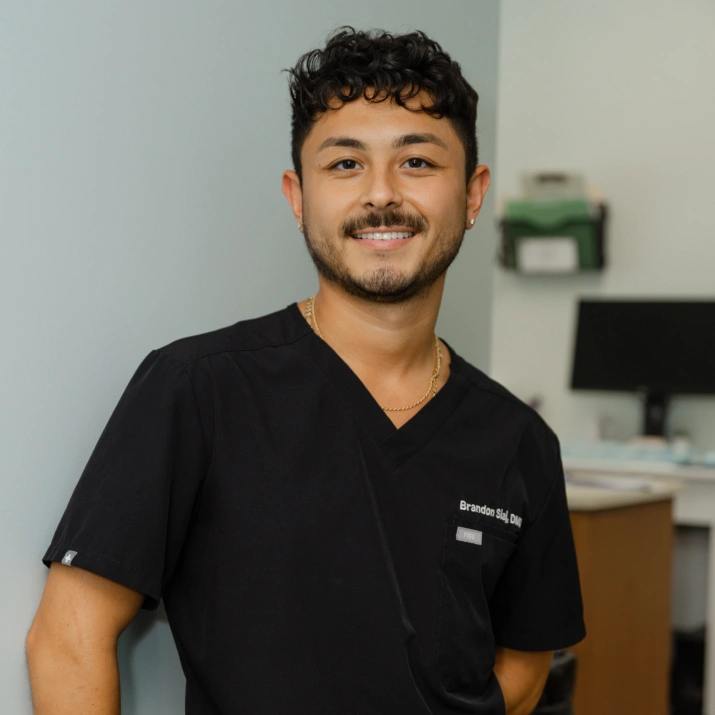
Choosing the right dentist comes down to finding a team that combines clinical expertise with transparent communication and genuine chairside care. At Wicker Park Dental Group, Dr. Brandon Siaj and our dedicated team prioritize modern technology, flexible financial options, and personalized treatment plans tailored to your needs.
Still building your initial list of local practices? Read our companion guide on how to find a local dentist in Chicago to navigate insurance networks, local neighborhood logistics, and patient reviews.
Schedule your new patient consultation today with Wicker Park Dental Group to experience the difference firsthand.
Related Articles