

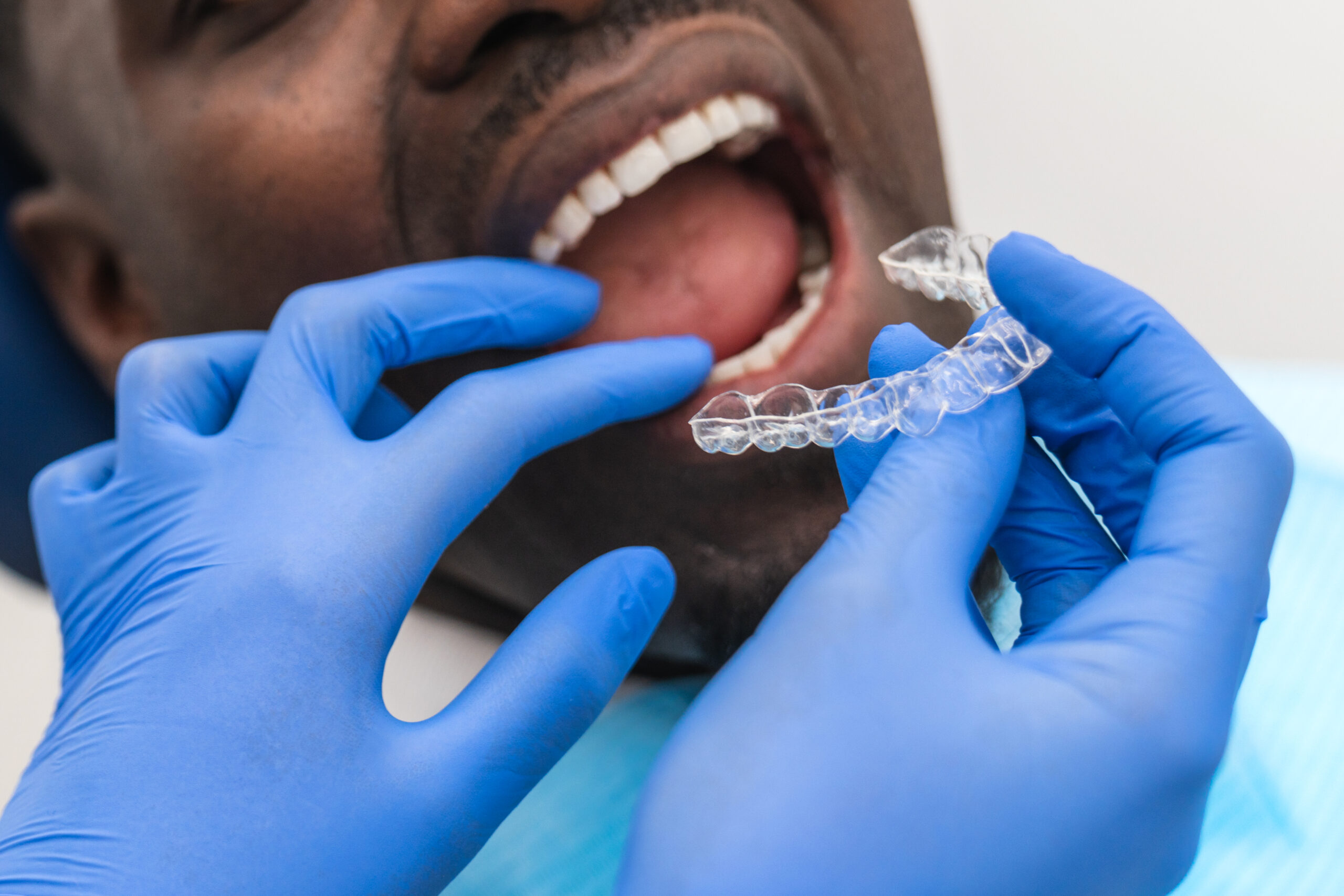
Is Invisalign Covered by Insurance in Illinois? What Chicago Patients Should Know
If you’ve been searching Invisalign in Chicago, one of the first questions that probably comes up is whether insurance will help pay for it. It’s a fair question — clear aligner treatment is a meaningful investment, and nobody wants to commit to a smile makeover without understanding the numbers first.
The short answer: it depends on your specific plan. Some Illinois dental insurance policies include orthodontic benefits that apply to Invisalign, while others treat it as a cosmetic add-on with limited or no coverage. Below, we’ll walk through how Invisalign insurance coverage typically works in Illinois, what affects your out-of-pocket cost, and how our Chicago team helps patients make sense of their benefits before starting treatment.
How Dental Insurance Typically Treats Invisalign
Invisalign is classified as an orthodontic treatment, not a routine or cosmetic procedure, because it corrects the alignment and bite function of your teeth — the same issues traditional braces address. That distinction matters, because most dental plans separate “basic and major services” (like fillings, crowns, or root canals) from a separate orthodontic benefit category.
Whether your plan pays toward Invisalign usually comes down to three factors:
- Does your plan include orthodontic coverage at all? Many individual and marketplace dental plans in Illinois exclude orthodontics entirely, while employer-sponsored plans are more likely to include it, especially for family or PPO-tier plans.
- Is there a lifetime orthodontic maximum? Most plans that do cover orthodontics cap the benefit — commonly between $1,000 and $2,500 — and that maximum applies once per lifetime, not per year.
- Is Invisalign specifically named, or only “braces”? Some older plans only reference traditional braces in their language. In practice, most major insurers today reimburse Invisalign the same way they would metal braces, since the clinical purpose is identical, but it’s worth confirming with your carrier directly.
Why Coverage Varies So Much From Patient to Patient
Two people with the same employer can have different Invisalign benefits depending on which specific plan tier they selected during open enrollment. This is one of the most common points of confusion we see from patients considering Invisalign Chicago treatment.
Coverage differences typically come down to:
- Plan type — PPO plans generally offer more flexibility and are more likely to include orthodontic riders than HMO or DHMO plans.
- Age restrictions — Some policies only extend orthodontic benefits to dependents under 19, which can affect adult patients seeking Invisalign for crowded teeth, gapped teeth, or a bite correction.
- Waiting periods — Newer policies sometimes require six to twelve months of active enrollment before orthodontic benefits kick in.
- In-network vs. out-of-network status — Using an in-network Chicago dental office typically stretches your benefit further than going out-of-network.
Because Illinois doesn’t mandate that every dental plan include adult orthodontic coverage, the responsibility falls on the patient (and their dental team) to verify benefits before treatment begins.
What Wicker Park Dental Group Does to Help
At Wicker Park Dental Group, we work with many major insurance providers, including Aetna, Ameritas, BCBS, Cigna, and Delta, and our team helps patients understand their coverage, file claims, and get the most value out of their dental benefits before committing to a treatment plan. If you’re unsure what your plan covers, we can help you check your orthodontic benefit as part of your Invisalign consultation in Chicago rather than leaving you to decode the fine print alone.
What Invisalign Costs When Insurance Doesn’t Cover Everything
Even with a partial orthodontic benefit, most patients still pay a portion of treatment out of pocket. At our Chicago office, Invisalign treatment starts from $2,500, with the final cost depending on the complexity of your case, the length of your treatment plan, and your dentist’s specific recommendations. You can review a fuller cost breakdown on our Invisalign costs page.
For patients without full coverage, a few options can help close the gap:
- A courtesy discount for patients who pay in full by cash or check
- Flexible Spending Account (FSA) or HSA funds, which can typically be applied toward orthodontic treatment
- Payment arrangements structured around your Flex Plan requirements
- Major credit cards, accepted for patients who prefer to spread payments through their card provider
What to Expect During Invisalign Treatment
Understanding the treatment process can also help you plan financially, since Invisalign is billed as a full course of care rather than a single visit. Treatment generally follows this sequence:
- Consultation — An initial visit to discuss your goals and determine candidacy.
- Comprehensive evaluation — Digital x-rays, photos, and digital impressions to map your bite and alignment.
- Treatment planning — Your dentist builds a virtual treatment plan showing the projected movement of your teeth.
- Custom aligner fabrication — A lab manufactures your personalized series of clear aligners.
- Aligner delivery and instructions — You receive your first sets along with wear-and-care guidance.
Most patients wear each set of aligners for two to three weeks before switching to the next, with progress checks along the way. On average, treatment takes 12 to 18 months, though timelines vary based on the severity of crowding, gaps, overbites, underbites, crossbites, or open bites being corrected. Results are realistic and gradual — Invisalign works well for many common alignment issues, but our dentists will let you know upfront if your case may need an alternative orthodontic approach.
Questions to Ask Your Insurance Provider Before Starting Invisalign
Before your consultation, it can help to call your insurance provider directly and ask:
- Does my plan include an orthodontic benefit, and what is the lifetime maximum?
- Is Invisalign specifically covered, or only traditional braces?
- Is there a waiting period before orthodontic benefits become active?
- Does my plan cover adult orthodontics, or only dependents under a certain age?
- What percentage of treatment cost is typically reimbursed?
Bringing these answers to your visit allows our team to cross-check them against your actual treatment plan and give you a clear, honest estimate rather than a rough guess.
Ready to Find Out What Your Plan Covers?
Every insurance plan is different, and the only reliable way to know your exact Invisalign coverage in Illinois is to have it verified against your specific policy. Our Chicago team can help you sort through that process so you’re not left guessing about cost before you commit to treatment.
FAQs
1. Does Illinois require dental insurance to cover Invisalign?
No. Illinois does not mandate that dental insurance plans include orthodontic coverage for adults. Coverage depends entirely on the specific plan you or your employer selected.
2. Is Invisalign treated differently than traditional braces by insurance companies?
Generally, no. Most insurers apply the same orthodontic benefit to Invisalign as they would to traditional braces, since both correct alignment and bite issues. However, it’s worth confirming this with your specific carrier.
3. What if my insurance doesn’t cover Invisalign at all?
You still have options, including FSA/HSA funds, payment plans, and a courtesy discount for paying in full. Our Chicago team can walk you through what fits your budget during your consultation.
4. How much does Invisalign cost in Chicago without insurance?
At Wicker Park Dental Group, Invisalign treatment starts from $2,500, with final pricing depending on case complexity and treatment length.
5. How long does Invisalign treatment usually take?
Most patients complete treatment in 12 to 18 months, though this varies based on the severity of the alignment issue being corrected.
Related Articles