
Same-Day Crowns in Chicago: Is One-Visit Better Than Two?
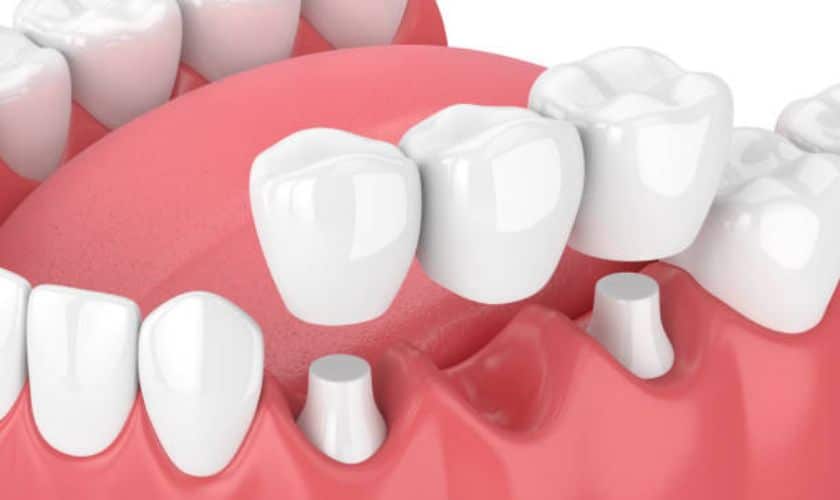
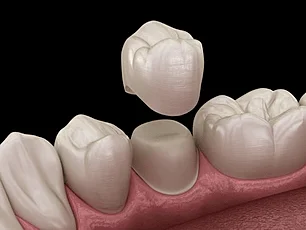
A dental crown restores a damaged or weakened tooth by covering its visible portion. Patients considering crowns and bridges in Chicago can compare a same-day restoration with a traditional two-visit procedure to understand the differences in timing, materials, fit, and cost. The better option depends on the tooth's condition, the available technology, and the dentist's clinical assessment. Wicker Park Dental Group offers ceramic and zirconia crowns; confirm directly with the practice whether same-day crown fabrication is available for your case.
What is a same-day dental crown, and how does it work?
A same-day crown is a custom restoration designed, manufactured, and placed during one appointment when the case and available equipment permit. Many practices use computer-aided design and computer-aided manufacturing (CAD/CAM) to create a crown from a digital scan.
The process generally involves four steps:
- Examination: The dentist checks the tooth and surrounding gum tissue and takes X-rays when clinically indicated.
- Tooth preparation: The dentist removes damaged tissue when necessary and shapes the tooth to support the crown.
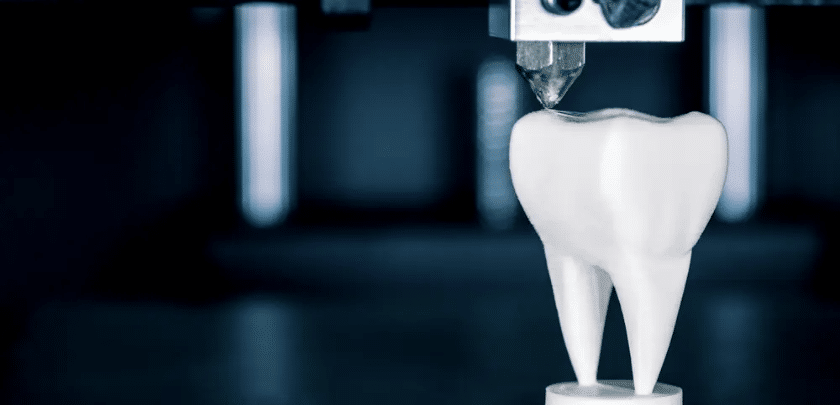
- Digital design and fabrication: An intraoral scanner captures the prepared tooth, and compatible software guides the design of the restoration. An in-office milling machine shapes the crown from a ceramic block.
- Placement: The dentist checks the crown's fit, bite, and appearance before bonding or cementing it in place.
The exact workflow depends on the equipment and the material selected. A same-day crown may eliminate the need for a temporary crown and a separate placement appointment.
How does a two-visit crown procedure differ?
A traditional two-visit crown procedure separates tooth preparation from permanent crown placement, allowing a dental laboratory to fabricate the restoration between appointments. It remains a standard option when the case requires laboratory work or a specific material.
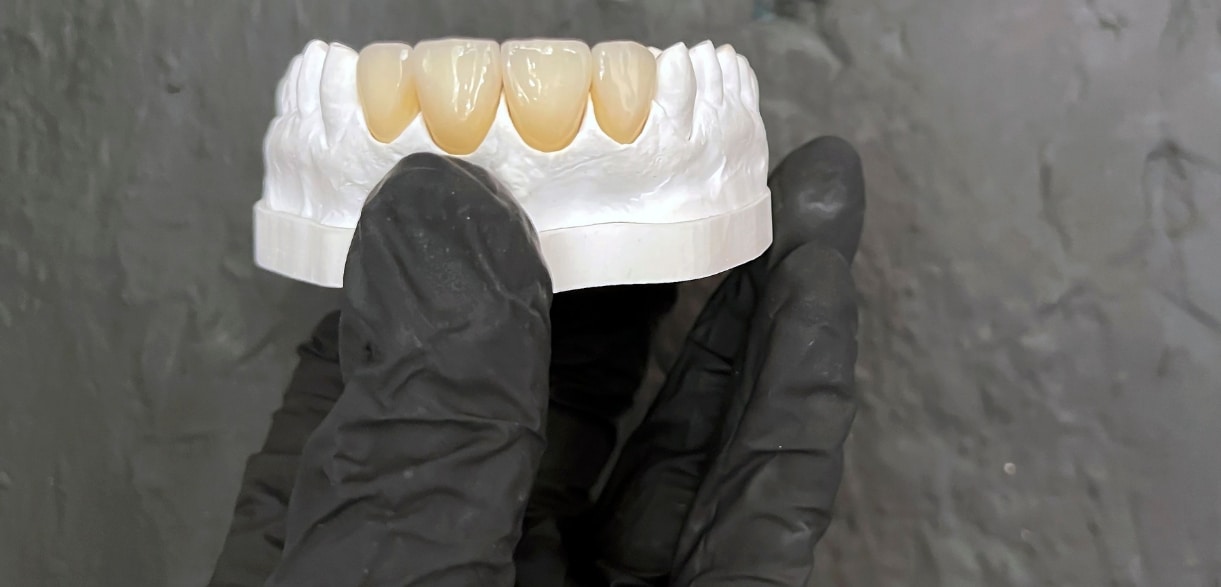
During the first appointment, the dentist prepares the tooth and takes a digital scan or physical impression. A temporary crown protects the prepared tooth while the permanent restoration is made. At the second appointment, the dentist removes the temporary crown, checks the permanent crown, and secures it.
The waiting period varies by practice and laboratory. It is commonly around two to three weeks, but the actual turnaround time should be confirmed with the dentist.
Neither method automatically produces a better result. A systematic review published in Cureus in 2023 found broadly similar clinical outcomes for computer-manufactured and conventionally manufactured crowns, although results varied by restoration type and outcome measured.
Which crown option is better for comfort, fit, and durability?
Both same-day and laboratory-made crowns can restore chewing function when the dentist selects suitable materials and achieves an accurate fit. The manufacturing method alone does not determine how long a crown will last.
Consider these factors when discussing treatment:
- Fit: A digital workflow can support precise design, but the dentist must still evaluate the crown's margins and bite.
- Material: Ceramic and zirconia are tooth-colored options used for different clinical requirements. The best choice depends on the tooth's position, biting forces, and aesthetic needs.
- Durability: Crown longevity depends on material, oral hygiene, bite pressure, grinding habits, and the condition of the underlying tooth.
- Appearance: The dentist considers shade, shape, and how the restoration blends with neighboring teeth.
- Quality control: A crown must fit securely without creating uncomfortable contact when you bite.
Research does not establish that every same-day crown is superior or inferior to a laboratory-made crown. For additional guidance, read why a dental crown might not last 15 years.
Who is a good candidate for a same-day crown?
A patient may qualify for a same-day crown when the tooth can be restored safely and the practice has the appropriate equipment and material for that case. The dentist must assess the extent of damage before recommending this workflow.
A crown may be appropriate for a tooth with a large filling, a fracture, substantial decay, or a root canal that leaves the remaining structure vulnerable. However, severe damage, complex bite requirements, or a need for additional treatment may make a laboratory-made restoration more suitable.
The dentist also needs to evaluate the gum tissue, remaining tooth structure, and available space for the crown. An infection or other underlying problem may require treatment before the final restoration can be placed.
Do not choose a one-visit procedure based on speed alone. Ask whether the proposed crown can meet your functional and clinical needs.
Does a same-day crown cost less than a traditional crown?
A same-day crown is not automatically less expensive than a traditional crown because the total fee depends on the material, technology, laboratory work, and treatment required. Compare written estimates rather than appointment count alone.
Wicker Park Dental Group's published crown pricing lists a porcelain crown at $1,531 and a crown with buildup at $1,898. These figures are listed on its crown and bridge service page; confirm current fees and whether they apply to your proposed treatment.
Before agreeing to treatment, ask for an estimate that identifies:
- The crown material and fabrication method.
- Any core buildup or additional procedure.
- The temporary crown fee, if applicable.
- Your estimated insurance contribution and out-of-pocket amount.
Dental insurance coverage varies by plan, so confirm benefits before treatment. A one-visit option may reduce the need for a second appointment, but that does not guarantee lower total costs.
How should you decide between one visit and two?
Choose the option your dentist recommends after evaluating clinical suitability, restoration quality, timing, and total cost. Convenience matters, but the crown must also protect the tooth and function correctly.
Use this comparison to prepare for your consultation.
| Consideration | Same-day crown | Traditional crown |
|---|---|---|
| Appointments | Usually one placement visit | Usually two visits |
| Fabrication | In-office CAD/CAM when available | Often made by a dental laboratory |
| Temporary crown | May not be needed | Commonly used between visits |
| Scheduling | May reduce return visits | Requires a follow-up appointment |
| Suitability | Depends on the case and equipment | Can accommodate many restorative cases |
| Cost | Depends on practice and treatment | Depends on practice and treatment |
If you are exploring same day crowns in Chicago patients can access, visit our clinic and ask the dentist whether the practice can complete your restoration in one visit and what circumstances could require a second appointment.
Wicker Park Dental Group provides crown and bridge treatment in Chicago. You can contact the practice to discuss crown treatment and scheduling and ask which approach fits your dental needs.
Frequently Asked Questions
Are same-day dental crowns as strong as traditional crowns?
Both can provide durable tooth protection when the material, fit, and clinical technique are appropriate.
How long does a same-day crown appointment take?
The appointment may take several hours, depending on tooth preparation, crown fabrication, and bite adjustments.
Do same-day crowns require a temporary crown?
A temporary crown may not be necessary when the permanent restoration is fabricated and placed during the same appointment.
Does dental insurance cover same-day crowns?
Coverage depends on your dental insurance plan, the crown's clinical necessity, and the benefits available for the procedure.
Can every damaged tooth receive a same-day crown?
No, the dentist must assess the tooth's condition, treatment requirements, and suitability for the available fabrication method.
Related Articles