

Why Your Dental Crown Might Not Last 15 Years
Many patients assume a dental crown is a permanent fix. The truth is more complicated. Understanding why your dental crown might not last 15 years in Chicago can help you protect your investment and avoid painful surprises. At Wicker Park Dental Group, Dr. Brandon Siaj sees crown-related issues regularly — and most are preventable.
Crowns are durable, but they are not indestructible. Several everyday habits and health factors can cut their lifespan significantly shorter than expected. Knowing what threatens your crown gives you real power to extend it.
How Long Should a Dental Crown Last in Chicago?
Most dental crowns last between 10 and 15 years on average. Some last longer with excellent care. Others fail well before the 10-year mark due to preventable damage.
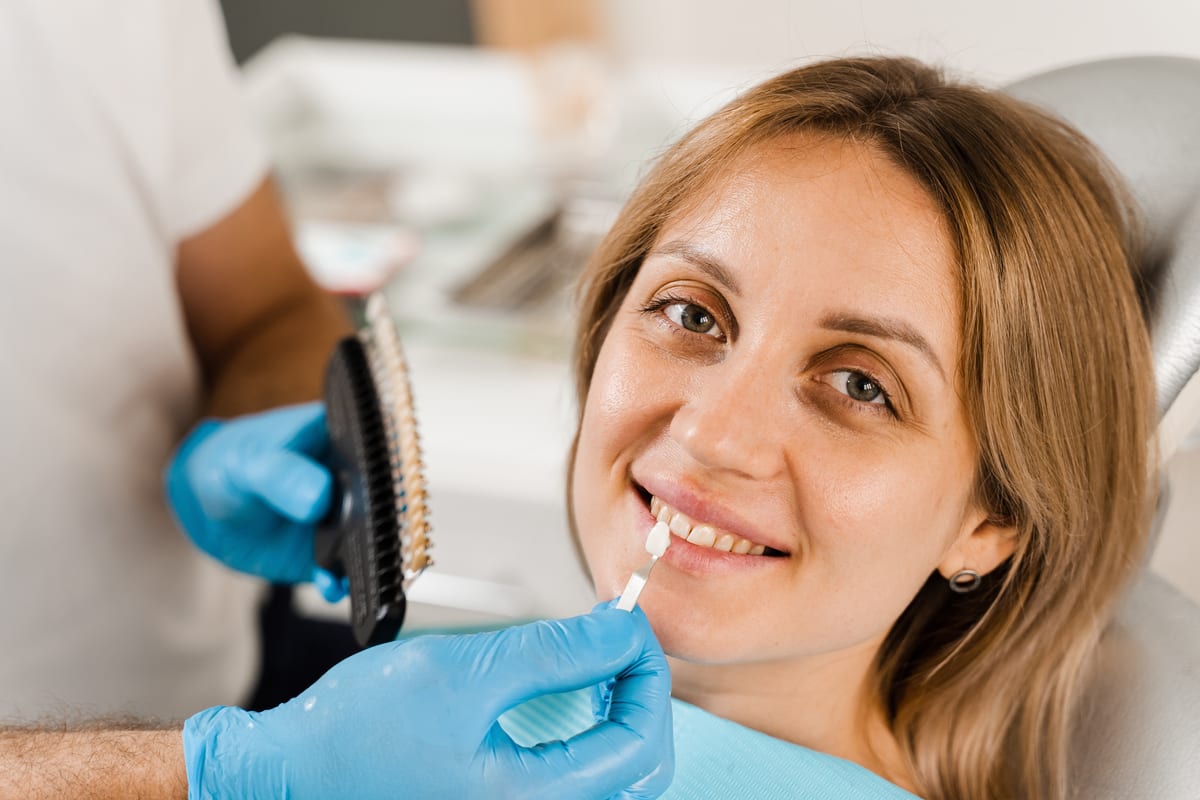
The material matters a great deal. Porcelain crowns look natural but chip more easily than metal or porcelain-fused-to-metal options. Zirconia crowns offer strong durability and a natural appearance. Dr. Siaj helps patients choose the right material based on their bite, lifestyle, and goals.
Where the crown sits in your mouth also affects longevity. Crowns on back molars endure far more biting force than front teeth crowns. This added stress shortens their expected lifespan without proper care and monitoring.
Top Habits That Shorten Your Crown’s Lifespan
Certain daily behaviors put enormous stress on dental crowns. Identifying and changing them can add years to your crown’s life. Here are the most common culprits Dr. Siaj sees in his Chicago patients:
- Teeth grinding (bruxism): Nighttime grinding puts extreme pressure on crowns. It wears down porcelain and cracks the underlying tooth structure over time.
- Chewing hard foods: Ice, hard candy, popcorn kernels, and crusty bread can fracture or dislodge a crown unexpectedly.
- Using teeth as tools: Opening packages or biting nails stresses the crown far beyond what it was designed to handle.
- Chewing on one side: Uneven biting forces one crown to work harder than others, accelerating wear.
- Nail biting and pen chewing: Repetitive pressure from these habits degrades crown edges gradually.
If you grind your teeth, Dr. Siaj can fit you with a custom night guard. This simple device dramatically reduces the wear on both your crown and your natural teeth.
Poor Oral Hygiene and Crown Failure
A crown protects a tooth — but it does not make that tooth immune to decay. The margin where the crown meets the gumline is especially vulnerable. Bacteria accumulate there if brushing and flossing are inconsistent.
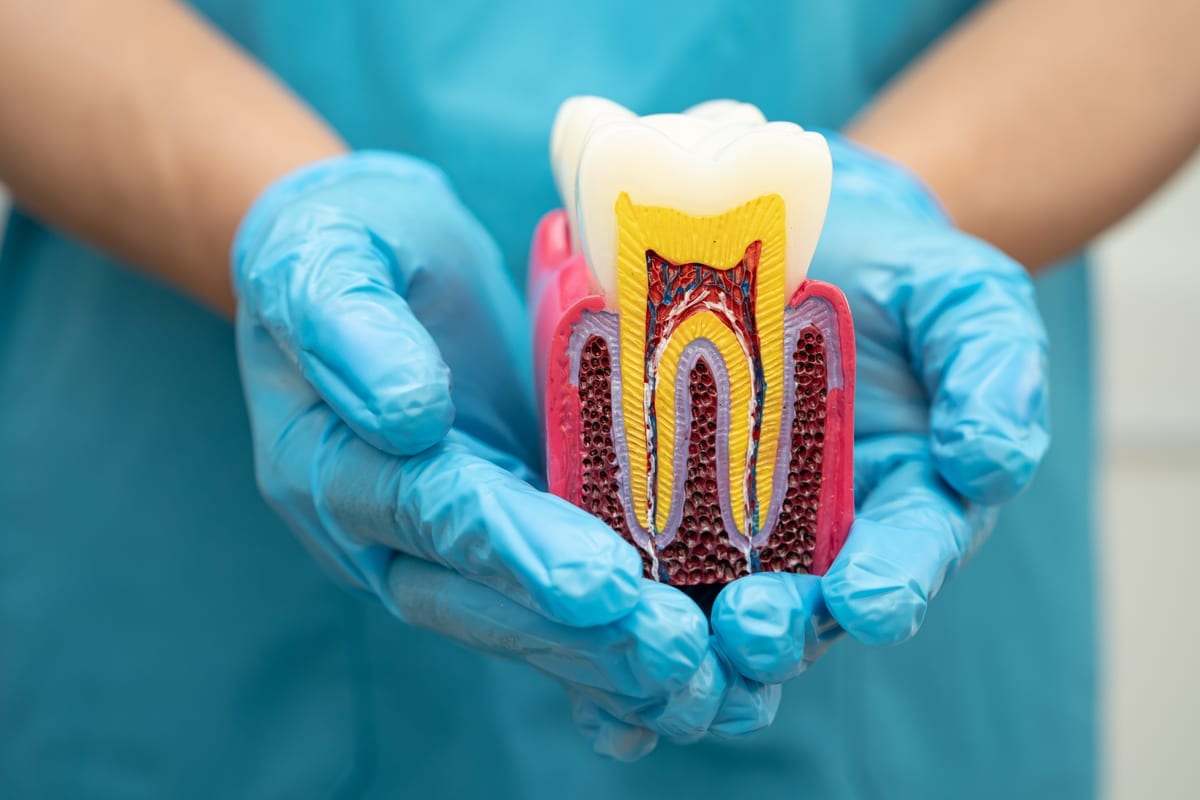
Decay beneath a crown is one of the leading reasons crowns fail early. Once bacteria reach the underlying tooth structure, the crown may need to be removed and replaced. In some cases, the tooth itself cannot be saved.
Gum disease also threatens crown stability. Receding gums expose the crown margin and the root below it. This creates sensitivity, instability, and an entry point for infection. Maintaining healthy gums through regular cleanings is essential for crown longevity.
Dr. Siaj recommends brushing twice daily and flossing once daily — paying special attention around the crown margin. Using an antibacterial mouthwash adds another layer of protection against the bacteria that cause decay.
Warning Signs Your Crown Needs Replacing
Crowns do not always fail dramatically. Often, the signs are subtle at first. Catching them early prevents more serious and costly problems down the road. Watch closely for these warning signs:
- Sensitivity or pain: Sudden sensitivity to hot, cold, or pressure may signal decay under the crown or a cracked tooth beneath it.
- A visible crack or chip: Even a small crack in porcelain can worsen quickly under normal biting forces.
- A loose or shifting crown: If the crown rocks or feels unstable, the cement bond may have failed.
- Dark line at the gumline: This often means the crown is old porcelain-fused-to-metal and the metal base is showing through.
- Persistent bad taste or odor: This can indicate decay or infection beneath the crown.
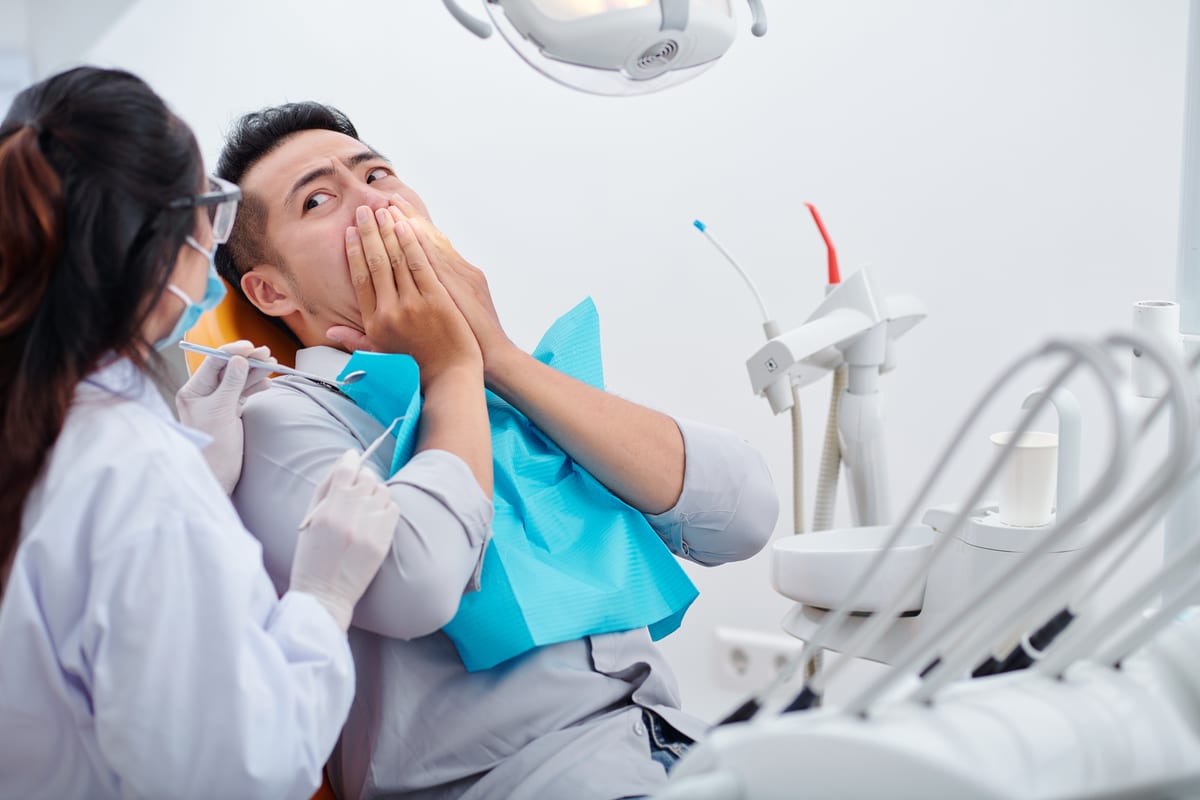
If you experience any of these symptoms, do not wait for your next routine visit. Prompt evaluation can mean the difference between a simple crown replacement and a more serious procedure. Emergency Dentistry Chicago services at Wicker Park Dental Group are available to help when crown issues arise unexpectedly.
How Dr. Siaj Helps You Maximize Crown Longevity
Prevention is always the most cost-effective strategy. Dr. Siaj and the team at Wicker Park Dental Group take a proactive approach to crown care. Every routine visit includes an assessment of existing restorations.
Digital X-rays allow Dr. Siaj to detect decay beneath a crown before it becomes visible or symptomatic. Early detection means simpler treatment and a better outcome. Catching a problem at the six-month checkup is far preferable to waiting for pain.
For patients interested in upgrading older crowns or improving their smile’s appearance, Cosmetic Dentistry Chicago options at the practice include modern porcelain and zirconia restorations. These materials offer improved aesthetics and durability compared to older crown types.
A personalized care plan makes a real difference. Dr. Siaj works with each patient to address their specific risk factors — whether that means a night guard, dietary guidance, or more frequent cleaning appointments.
Conclusion: Protect Your Crown Investment
Understanding why your dental crown might not last 15 years in Chicago puts you in control of your oral health. Grinding habits, hard foods, and inconsistent hygiene are the top threats — and all three are manageable with the right guidance. Regular checkups with Dr. Siaj at Wicker Park Dental Group give your crown the best chance at a long, healthy life. Book Now to schedule your appointment with our team.
Frequently Asked Questions
How often should I have my dental crown checked?
Dr. Siaj recommends having existing crowns evaluated at every routine checkup, typically every six months. Digital X-rays help detect problems beneath the crown before they cause pain or require more complex treatment.
Can a dental crown get a cavity?
The crown itself cannot decay, but the natural tooth structure underneath it can. Bacteria accumulate at the margin where the crown meets the gum. Consistent brushing, flossing, and professional cleanings prevent decay from forming in that vulnerable area.
What happens if I grind my teeth and have a crown?
Grinding puts excessive pressure on crowns and can cause chipping, cracking, or premature failure. Dr. Siaj often recommends a custom night guard for patients who grind their teeth. This protects both the crown and the surrounding teeth from damage.
Is it normal for a crown to feel sensitive after placement?
Mild sensitivity right after crown placement is common and usually fades within a few weeks. Persistent sensitivity or pain that develops later may signal a problem such as decay, a cracked tooth, or an ill-fitting crown. Contact Wicker Park Dental Group if sensitivity does not resolve.
When does a crown need to be replaced rather than repaired?
Replacement is usually necessary when the crown is severely cracked, when decay has damaged the underlying tooth, or when the crown no longer fits properly due to gum recession or bone changes. Dr. Siaj evaluates each case individually and recommends the most conservative effective solution.