

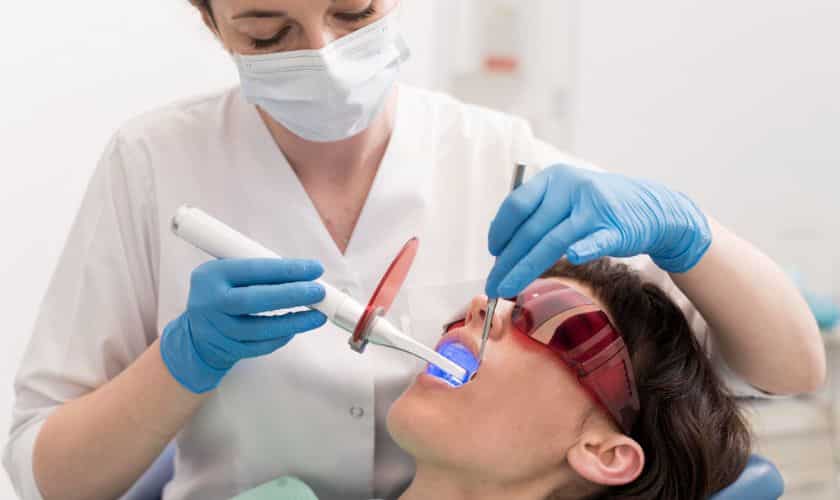
Welcome to our comprehensive guide on maintaining good oral hygiene! We all know the importance of brushing and flossing, but did you know there’s much more to it than just those two basic steps? Your oral health is crucial for your overall well-being, and taking care of your teeth should be a top priority. In this blog post, we’ll explore why keeping your mouth healthy is so important and give you some tips on maintaining good oral hygiene habits. So grab a toothbrush, and let’s get started!
The Role of Oral Hygiene in Maintaining Overall Oral Health
There is no question that good oral hygiene is essential to maintaining overall oral health. Regular teeth cleaning can prevent tooth decay, gum disease, and other oral problems. However, other factors also play a role in good oral health:
- Brushing and flossing correctly
- Avoiding tobacco use
- Eating a balanced diet
- Getting regular check-ups
Brushing and flossing correctly are the most important aspects of good oral hygiene. Studies have shown that people who brush and floss regularly are half as likely to develop tooth decay as those who do not. Proper brushing involves using circular motions with a soft-bristled brush on each tooth’s front and back surfaces. Flossing should be done once daily, using a long-bristled thread between your teeth and gums.
It is also important to avoid tobacco use. Tobacco smoke contains harmful chemicals that can damage teeth and gums. Not only does smoking cause tooth decay, but it also increases the risk of mouth cancer. Therefore, if you smoke, it is important to quit completely or reduce your smoking habits significantly.
Eating a balanced diet is another key factor in good oral health. A healthy diet includes fresh fruits and vegetables, whole grains, low-fat dairy products, and fish sources rich in omega-3 fatty acids. Eating these foods can help reduce the risk of dental problems, including tooth decay, gum disease, cavities and so on.
The Benefits of Regular Teeth Cleaning
Regular teeth cleaning is one of the most important ways to maintain oral hygiene. There are many benefits to teeth cleaning, including:
1. Preventing dental problems. A clean mouth is a healthy mouth. Regular teeth cleaning helps prevent dental problems like cavities and gum disease.
2. Protecting your gums. Good oral hygiene also protects your gums from infection and decay. If your gums are healthy, they can resist bacteria and decay damage for longer.
3. Reducing bad breath. Bad breath can be caused by bacteria that accumulate on the surfaces of your teeth and in between your teeth. Teeth cleaned regularly remove these bacteria and reduce the chance of developing bad breath.
4. Increases overall oral health. Maintaining good oral hygiene not only prevents dental problems but also helps improve overall oral health by removing plaque and tartar buildup on your teeth surface
Tips for Proper Tooth Brushing and Brushing Technique
Tooth brushing is one of the most important aspects of good oral hygiene.
Therefore, knowing how to brush your teeth properly is important to keep your smile looking its best! Here are some tips for proper tooth brushing and brushing technique:
1. Start by flossing. Flossing removes plaque and food debris between teeth and the gum line. It also helps remove bacteria that can cause bad breath.
2. Brush your teeth using circular, back-and-forth motions at least twice daily for two minutes. Use a soft-bristled toothbrush and swirl it around in a circular motion against each tooth surface. Be sure to use enough pressure to create a mild scrubbing sensation.
3. Spit out the suds. After you brush your teeth, rinse them with water for two minutes at least three times daily. Then, spit out the suds by tilting your head back and spitting into a cup or sink. Avoid swallowing water or toothpaste; this can lead to dental problems.
How Often Should You Clean Your Teeth?
Regular tooth cleaning is one of the most important habits you can develop for good oral hygiene. It can help to prevent tooth decay, gingivitis, and other oral health problems. Here are some tips on how often you should clean your teeth:
– Brush your teeth twice daily with fluoride toothpaste and a soft brush.
– Use an interdental brush to remove plaque between your teeth.
– Spit out the plaque after brushing.
– Floss once daily between your teeth or use an interdental floss threader.
How to Remove Hard-to-Reach Plaque and Tartar from Teeth
There are a few methods for removing hard-to-reach plaque and tartar from teeth. Some people use an electric toothbrush with a special head that can reach deep into the teeth. Others use manual toothbrushes with soft, non-abrasive bristles. Another method is dental floss featuring thin, flexible threads that can easily span between teeth. Once plaque and tartar are removed from the teeth, they can be professionally cleaned using an ultrasonic or manual brush.
As a person who loves to eat, to maintain good oral hygiene, not only do clean teeth mean that I am less likely to contract diseases such as gum disease or cavities, but it also means that I have beautiful teeth and look nicer! This guide will discuss why regular tooth cleaning is so important and how you can do it yourself at home. By following these simple steps, you will be on your way to having healthy teeth for life.