

Full mouth implants have revolutionized the field of dentistry, offering a permanent solution for individuals with extensive tooth loss or severe dental problems. As we step into 2024, advancements in dental technology have made these procedures more effective, comfortable, and accessible than ever before. This comprehensive guide covers everything you need to know about full mouth implants, including the benefits, the step-by-step process, aftercare, and considerations to help you make an informed decision.
What Are Full Mouth Implants?
Full mouth implants, also known as full arch implants or full mouth restorations, involve replacing all of the teeth in the upper and/or lower jaw with dental implants. This solution is ideal for individuals who have lost most or all of their teeth due to decay, gum disease, injury, or other health conditions.
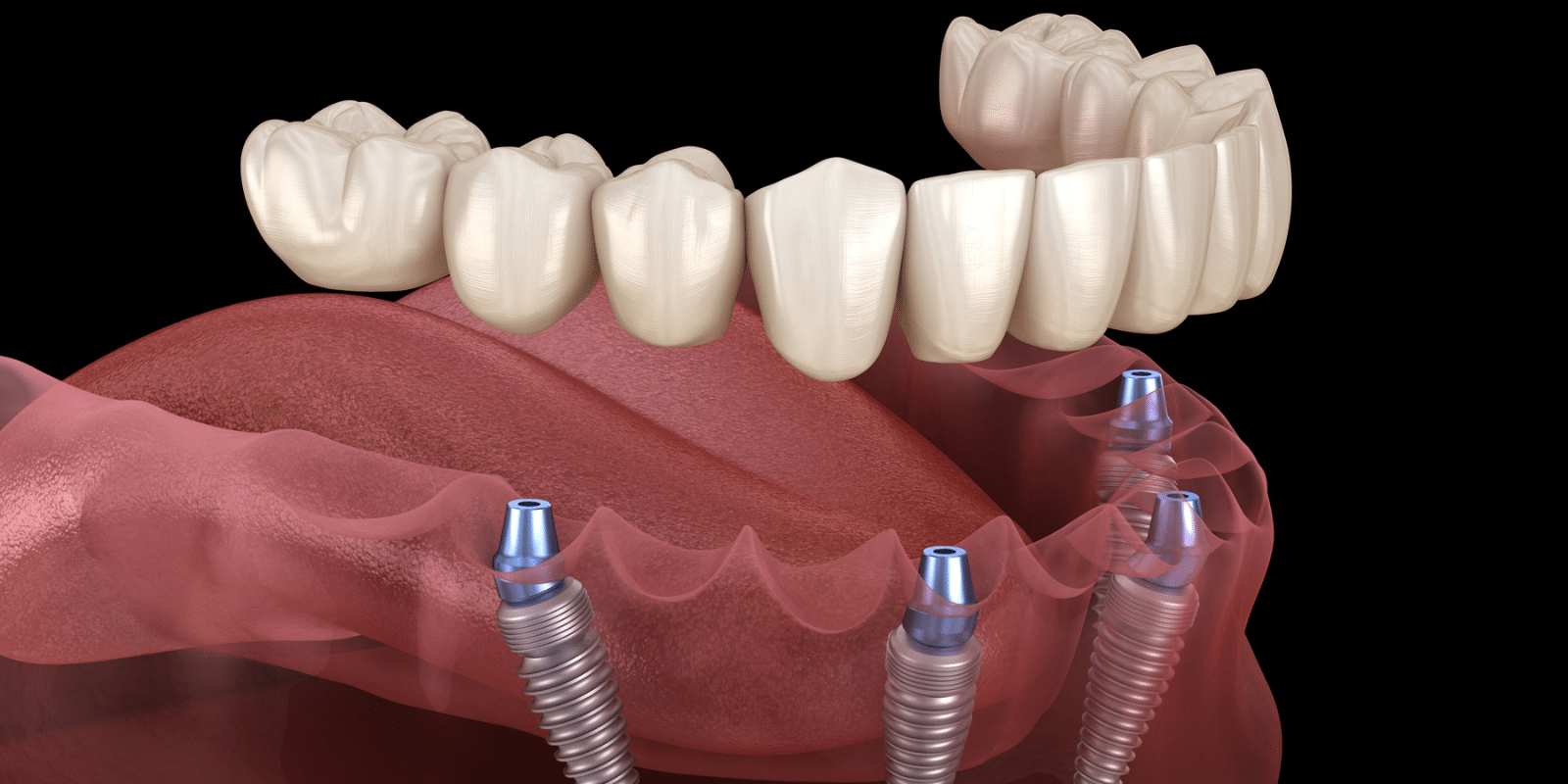
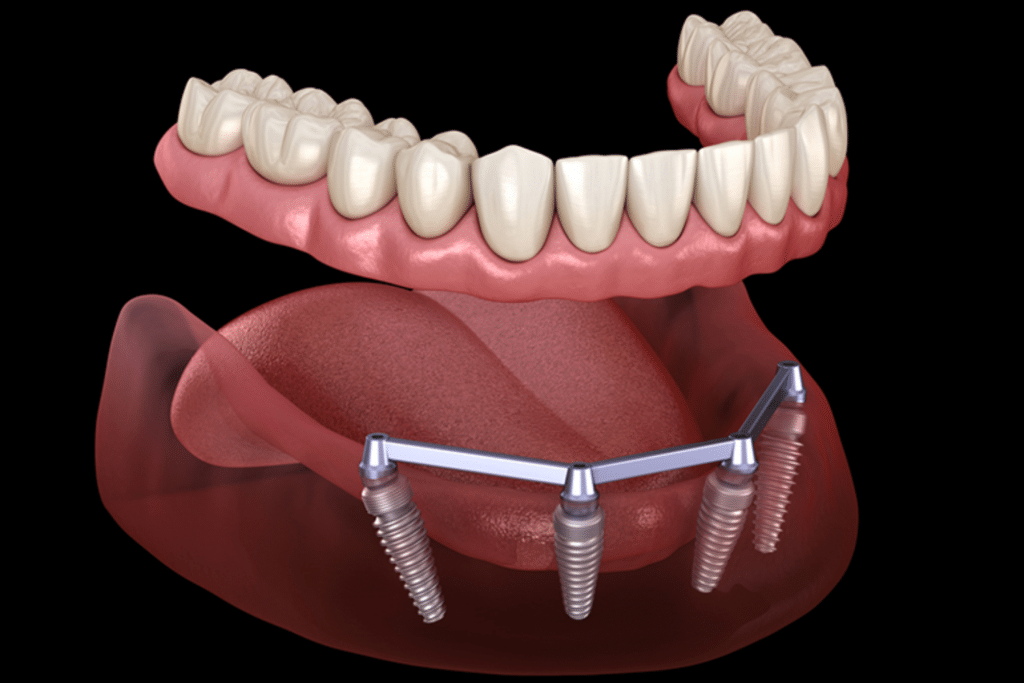
Unlike traditional dentures, full-mouth implants are permanent and provide a more natural look and feel. They consist of several components:
- Dental Implants: Titanium posts are surgically placed into the jawbone to act as artificial tooth roots.
- Abutments: Connectors that attach to the implants and hold the prosthetic teeth.
- Prosthetic Teeth: Custom-made crowns, bridges, or full arches that replace the natural teeth.
Benefits of Full Mouth Implants
Full mouth implants offer numerous benefits over traditional dentures and other tooth replacement options:
- Natural Appearance: Implants look and feel like natural teeth, enhancing your smile and boosting your confidence.
- Durability: With proper care, full mouth implants can last a lifetime.
- Improved Functionality: Implants restore full chewing and speaking capabilities, improving your overall quality of life.
- Bone Preservation: Implants stimulate the jawbone, preventing bone loss and maintaining facial structure.
- Comfort: Unlike removable dentures, implants are securely fixed in place, eliminating discomfort and inconvenience.
- Oral Health: Implants do not require altering adjacent teeth, preserving natural tooth structure.
The Step-by-Step Process of Getting Full Mouth Implants
1. Initial Consultation and Assessment
The journey begins with a thorough consultation and assessment by a dental implant specialist. This involves:
- Comprehensive Examination: The dentist conducts a detailed examination of your oral health, including X-rays, CT scans, and 3D imaging, to assess the condition of your jawbone and gums.
- Medical History Review: A review of your medical history helps identify any conditions that might affect the implant procedure, such as diabetes or heart disease.
- Discussion of Goals and Expectations: You’ll discuss your goals, expectations, and concerns with the dentist to tailor the treatment plan to your specific needs.
- Treatment Plan Development: Based on the examination and discussions, the dentist develops a customized treatment plan outlining the number of implants needed, the type of implants, the timeline, and the estimated costs.
2. Pre-Implant Preparations
Before the implant surgery, several preparatory steps may be necessary:
- Tooth Extraction: If you have remaining teeth that are damaged or decayed, they will need to be extracted. This is usually done a few weeks before the implant surgery to allow the gums and bone to heal.
- Bone Grafting: If you have insufficient bone density to support implants, bone grafting might be required. This procedure involves adding bone material to your jaw to strengthen it. Depending on the extent of grafting needed, this step can add a few months to the overall treatment timeline.
- Sinus Lift: For upper jaw implants, a sinus lift might be necessary if the sinus cavity is too close to the jawbone. This procedure involves adding bone to the upper jaw to create a solid foundation for implants.
3. Implant Surgery
Once all preparatory steps are completed, the actual implant surgery can take place. This is typically done in stages:
- Stage 1: Placing the Implants: The dental implants are surgically placed into the jawbone. The procedure is usually performed under local anesthesia, though sedation or general anesthesia may be used in some cases. The dentist makes incisions in the gums to expose the bone, drills holes into the bone, and inserts the implants. The gums are then stitched up to cover the implants.
- Stage 2: Osseointegration: After the implants are placed, a crucial process called osseointegration begins. This is where the implants fuse with the jawbone, creating a stable and strong foundation. Osseointegration typically takes three to six months, during which you’ll need to follow specific aftercare instructions to ensure proper healing.
4. Temporary Restoration
While osseointegration is taking place, you may receive temporary restorations. These temporary teeth allow you to maintain functionality and aesthetics while your implants heal. The temporary restorations are not as durable as the final ones but are designed to be comfortable and natural-looking.
5. Abutment Placement
Once osseointegration is complete, the next step is to place abutments on the implants. Abutments are connectors that sit on top of the implants and hold the final restorations in place. This stage involves:
- Reopening the Gums: Your dentist will make small incisions in the gums to expose the implants.
- Placing the Abutments: The abutments are attached to the implants, and the gums are closed around them, leaving the abutments exposed.
6. Final Impressions
After the abutments are in place, your dentist will take final impressions of your mouth. These impressions are used to create your custom-made final restorations. The process involves:
- Taking Impressions: The dentist uses a special dental impression material to create molds of your teeth and gums. These molds capture the precise shape and alignment needed for the final restorations.
- Bite Registration: To ensure your new teeth fit together perfectly, a bite registration is taken. This records how your upper and lower jaws align and function.
7. Creating the Final Restorations
With the impressions and bite registration, a dental lab will create your final restorations. These can be crowns, bridges, or full arches, depending on your treatment plan. The materials used for final restorations are usually high-quality ceramics or zirconia, which provide durability and a natural appearance.
8. Fitting and Adjustments
Once the final restorations are ready, you’ll have an appointment to fit and adjust them. This stage involves:
- Fitting the Restorations: The dentist will place the final restorations onto the abutments and check for fit, comfort, and aesthetics. They will ensure the bite is correct and that the new teeth look natural and function well.
- Making Adjustments: If necessary, adjustments will be made to ensure the perfect fit and function. This might include minor modifications to the shape or size of the restorations.
- Final Attachment: Once everything is perfect, the restorations are permanently attached to the abutments using dental cement or screws.
9. Aftercare and Maintenance
After the final restorations are in place, proper aftercare and maintenance are crucial for the longevity and health of your implants:
- Oral Hygiene: Maintain excellent oral hygiene by brushing and flossing regularly. Special tools like interdental brushes or water flossers can help clean around the implants.
- Regular Dental Check-ups: Visit your dentist regularly for check-ups and professional cleanings. Regular monitoring ensures any potential issues are caught early and addressed promptly.
- Healthy Lifestyle: Avoid smoking and limit alcohol consumption, as these can negatively impact the health of your implants. A balanced diet rich in vitamins and minerals supports overall oral health.
- Avoiding Hard Foods: While implants are durable, it’s wise to avoid excessively hard foods that could damage the restorations.
Full mouth implants in 2024 offer a comprehensive solution for individuals seeking to restore their smile and improve their oral health. By understanding each step of the process, from initial consultation to final restoration and aftercare, you can approach your treatment with confidence and achieve the best possible outcome. With the advancements in dental technology and techniques, full-mouth implants provide a reliable and effective way to regain functionality, aesthetics, and quality of life. Consult with a qualified dental implant specialist to explore your options and embark on your journey to a healthier, more beautiful smile.