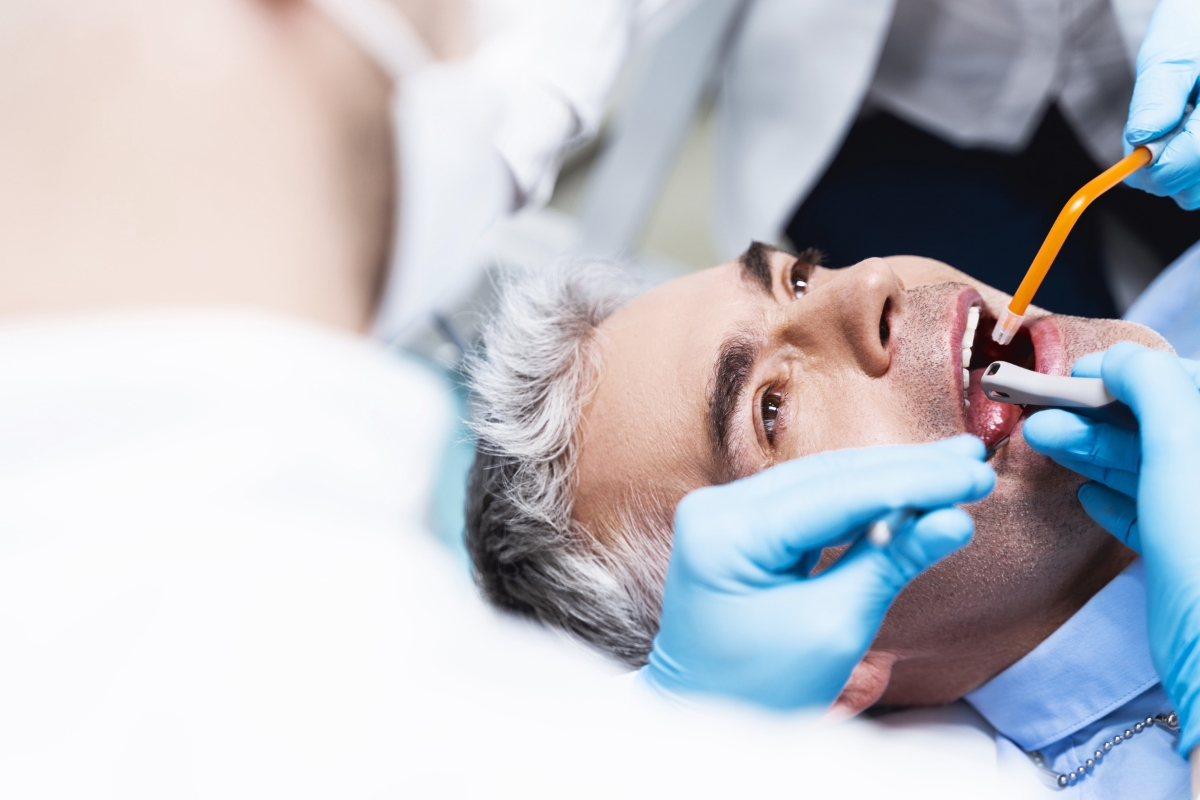

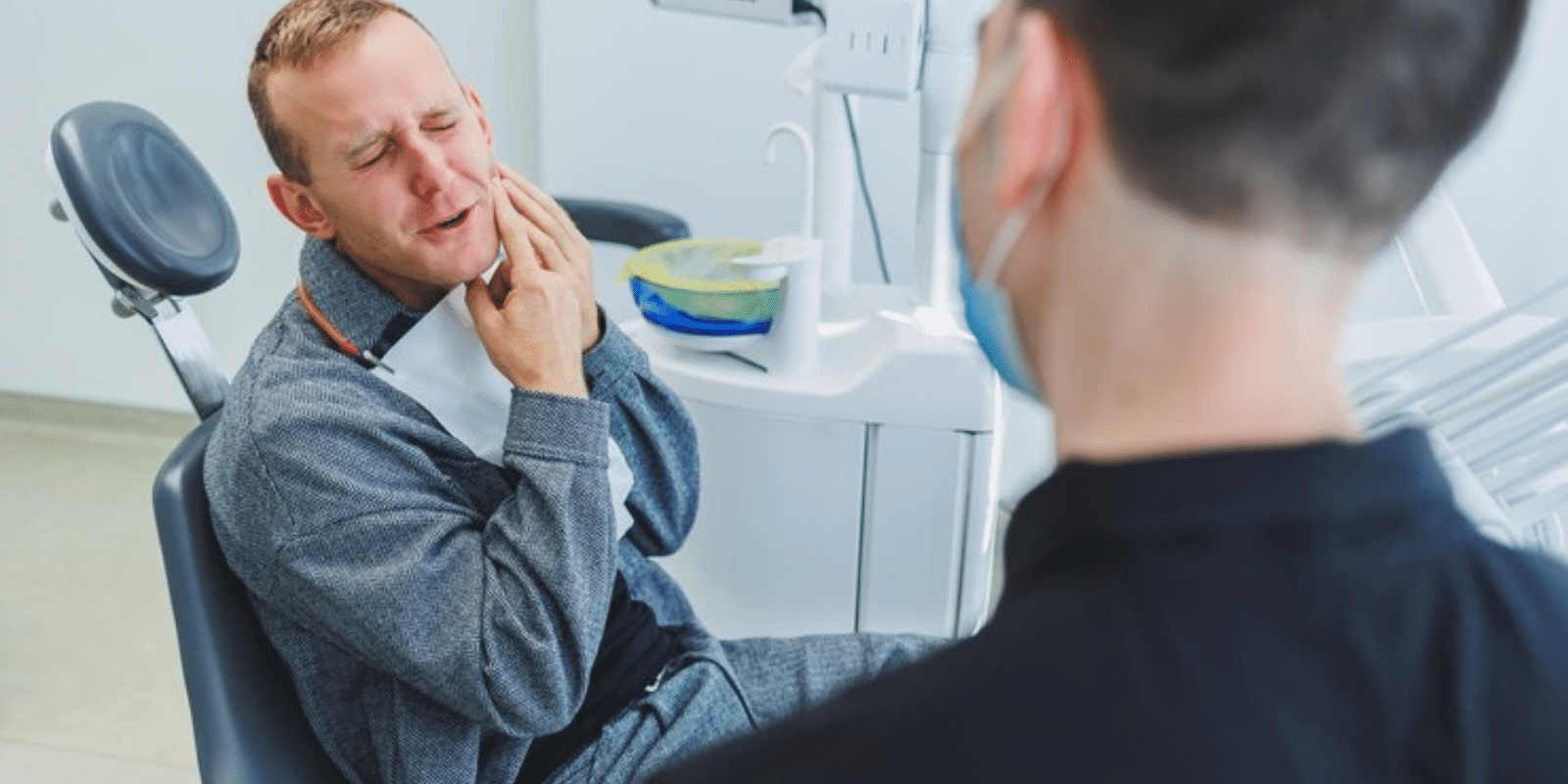
Root canal treatment, while a common and generally effective procedure, can sometimes result in discomfort or pain during the recovery period. Understanding how to manage and relieve pain after the procedure is crucial for a smooth recovery and ensuring that the treated tooth heals properly. In this comprehensive guide, we’ll explore why pain might occur after a root canal, offer practical tips for pain relief, and provide guidance on when to seek additional help.
Understanding Root Canal Treatment
What is a Root Canal?
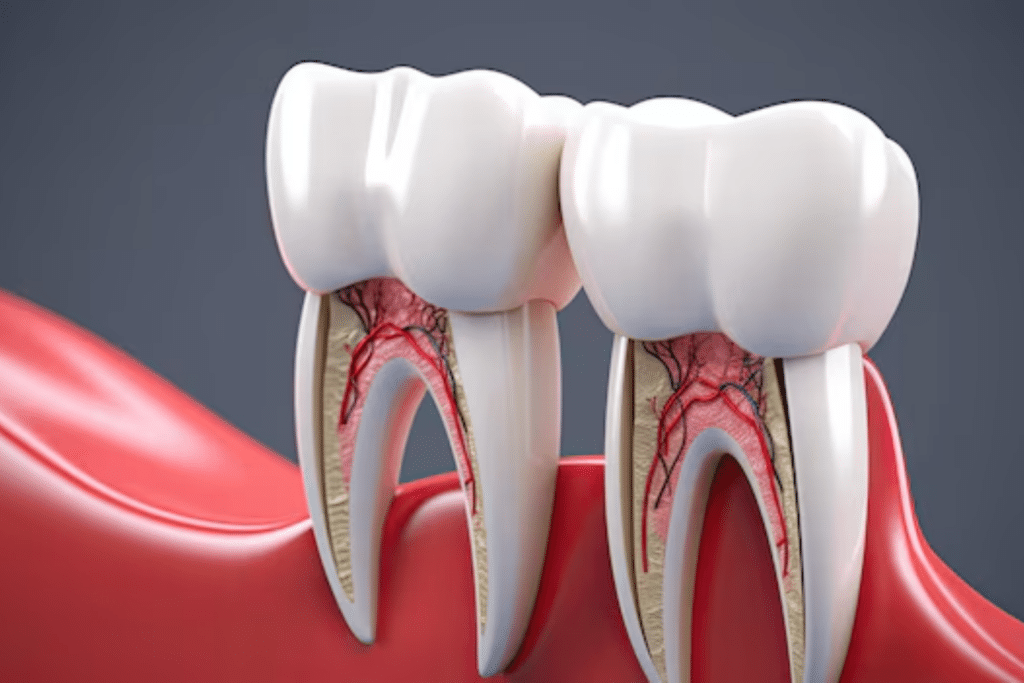
A root canal is a dental procedure designed to save a tooth that has become severely decayed or infected. The treatment involves:
- Removing the Infected Tissue: The dentist or endodontist removes the infected pulp from inside the tooth.
- Cleaning and Shaping: The root canals are cleaned and shaped to remove any remaining bacteria and debris.
- Filling the Canals: The cleaned canals are filled with a biocompatible material called gutta-percha to seal them and prevent future infection.
- Restoration: The tooth is then restored with a filling or a crown to ensure its strength and functionality.
Why Might Pain Occur After a Root Canal?
It’s normal to experience some discomfort or pain after a root canal treatment. Common reasons for this pain include:
- Inflammation: The tissues around the tooth may be inflamed due to the procedure.
- Residual Infection: In some cases, bacteria may still be present in the tooth or surrounding area.
- Tooth Sensitivity: The treated tooth and surrounding tissues can be sensitive as they heal.
- Post-Procedure Trauma: The process of cleaning and shaping the root canals can sometimes cause temporary irritation.
Immediate Pain Relief Strategies
1. Over-the-Counter Pain Relievers
- Ibuprofen (Advil, Motrin): Ibuprofen is a nonsteroidal anti-inflammatory drug (NSAID) that can help reduce pain and inflammation. Follow the dosage instructions on the packaging or as advised by your dentist.
- Acetaminophen (Tylenol): Acetaminophen is another pain relief option. It can be used if you cannot take NSAIDs due to allergies or other health conditions.
2. Cold Compress
Applying a cold compress to the outside of your cheek near the treated area can help reduce swelling and numb the pain. Use an ice pack or a bag of frozen vegetables wrapped in a cloth and apply it for 15-20 minutes at a time. This can be repeated several times a day as needed.
3. Avoid Hard and Sticky Foods
In the days following your root canal, stick to a soft diet to avoid putting undue stress on the treated tooth. Hard or sticky foods can cause discomfort and potentially damage the temporary filling or crown. Opt for foods like yogurt, mashed potatoes, and soups.
4. Maintain Good Oral Hygiene
Keeping the treated area clean is essential for preventing infection and promoting healing. Follow these tips:
- Brush Gently: Use a soft-bristled toothbrush and brush gently around the treated tooth to avoid irritation.
- Floss Carefully: Floss around the treated tooth to remove food particles and plaque, but be gentle to avoid damaging the area.
Managing Pain and Discomfort at Home
1. Warm Saltwater Rinses
Rinsing your mouth with warm saltwater can help soothe the area and reduce inflammation. Mix 1/2 teaspoon of salt in a cup of warm water and rinse several times a day, especially after eating.
2. Elevate Your Head
Keeping your head elevated, even while sleeping, can help reduce swelling and discomfort. Use an extra pillow to keep your head elevated while you rest.
3. Use Prescription Medications if Needed
If your dentist has prescribed medication for pain management, be sure to take it as directed. Prescribed medications may include stronger pain relievers or antibiotics to address infection.
4. Avoid Smoking and Alcohol
Smoking and alcohol can interfere with the healing process and increase the risk of complications. Avoid these substances during your recovery period.
When to Seek Professional Help
While mild discomfort is normal after a root canal, there are specific signs that may indicate a problem requiring professional attention. Contact your dentist or endodontist if you experience:
- Severe Pain: Intense pain that doesn’t improve with over-the-counter medications or persists beyond a few days.
- Swelling: Significant swelling around the treated area or in your face.
- Fever: A fever may indicate an infection or other complication.
- Discharge: Any pus or unusual discharge from the treated area.
- Difficulty Chewing: Persistent difficulty or pain when chewing or biting.
Preventing Future Issues
1. Follow Post-Procedure Instructions
Your dentist will provide specific instructions for care after your root canal. Follow these instructions carefully to ensure optimal healing.
2. Schedule Follow-Up Appointments
Be sure to attend all follow-up appointments to check on the healing process and ensure that the tooth is properly restored. Your dentist will monitor the treated tooth and may perform additional procedures if needed.
3. Maintain Regular Dental Check-Ups
Regular dental check-ups are essential for maintaining overall oral health and catching any issues early. Ensure that you visit your dentist regularly for examinations and cleanings.
4. Practice Good Oral Hygiene
Good oral hygiene practices help prevent decay and infections that could compromise the treated tooth. Brush twice daily, floss regularly, and use an antibacterial mouthwash if recommended by your dentist.
5. Avoid Excessive Pressure
Avoid habits that can put excessive pressure on the treated tooth, such as grinding your teeth or chewing on hard objects. If you have a habit of grinding your teeth, talk to your dentist about a night guard or other solutions.
Experiencing pain after a root canal treatment is common but manageable with the right strategies. By understanding the reasons behind the pain, following effective pain relief methods, and knowing when to seek professional help, you can ensure a smooth recovery and protect the health of your treated tooth. Adhering to post-procedure care instructions and maintaining good oral hygiene are key to a successful outcome and long-term dental health.