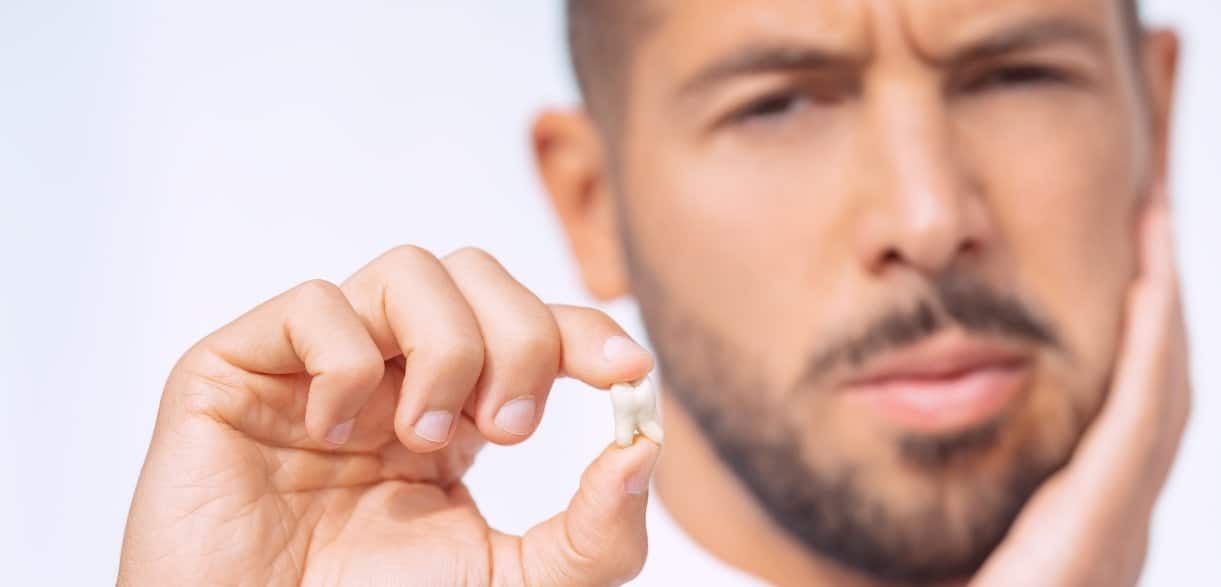


Undergoing a wisdom tooth extraction is a common dental procedure, but it requires careful attention to post-operative care to ensure a smooth recovery. One of the crucial aspects of this recovery process is managing your diet. What you eat (and avoid) can significantly impact your healing, pain levels, and overall comfort. In this comprehensive guide, we’ll discuss the best foods to eat and those to avoid after wisdom tooth extraction to help you navigate this recovery period effectively.
Understanding the Recovery Process
Wisdom tooth extraction involves removing one or more of the third molars located at the back of your mouth. Post-surgery, your mouth will need time to heal, and the extraction sites will be sensitive. Proper care is essential to prevent complications such as dry socket, infection, or prolonged pain. A well-chosen diet can aid in your recovery by reducing inflammation, promoting healing, and avoiding discomfort.
Foods to Eat After Wisdom Tooth Extraction

In the days following your wisdom tooth extraction, focus on eating soft, nutritious foods that are easy to chew and won’t irritate your healing gums. Here’s a list of recommended foods that can help make your recovery smoother:
1. Smoothies and Protein Shakes
Smoothies and protein shakes are ideal for those recovering from wisdom tooth extraction. They provide essential nutrients without requiring chewing, which helps avoid aggravating the extraction sites.
- Smoothies: Blend fruits like bananas, berries, and peaches with yogurt or milk for a nutrient-rich drink. Avoid using straws, as the suction can disrupt blood clots and delay healing.
- Protein Shakes: Use protein powder mixed with milk or a non-dairy alternative. This is particularly beneficial for maintaining your protein intake, which supports tissue repair.
2. Soups and Broths
Warm (not hot) soups and broths can be soothing and nourishing. They are easy to consume and help keep you hydrated.
- Creamy Soups: Opt for smooth, creamy soups like tomato, butternut squash, or potato leek. Ensure the soup is well-blended to avoid any chunks that could irritate the extraction sites.
- Bone Broth: Rich in nutrients, bone broth can be both healing and soothing. It provides essential minerals and proteins that aid in recovery.
3. Mashed Potatoes
Mashed potatoes are soft, easy to eat, and gentle on your healing gums. You can enrich them with butter or cream for added calories and nutrients. Ensure they are smooth and free of lumps to prevent irritation.
4. Applesauce
Applesauce is another excellent option because it’s soft, easy to swallow, and provides vitamins and fiber. It’s also less likely to get stuck in the extraction sites compared to raw apples or apple chunks.
5. Yogurt
Yogurt is soft and packed with probiotics that can help maintain a healthy balance of bacteria in your mouth and digestive system. Choose plain yogurt or flavors without fruit chunks to avoid any potential irritation.
6. Scrambled Eggs
Scrambled eggs are soft and high in protein, making them a good option for a nutritious meal. Cook them well and ensure they are soft and easy to swallow. Avoid adding any hard ingredients like cheese or vegetables until you’re more comfortable eating solids.
7. Pudding and Custard
These soft, smooth desserts are easy to eat and can provide a comforting treat during your recovery. Opt for plain or vanilla pudding to avoid any potential irritation from flavored varieties.
Foods to Avoid After Wisdom Tooth Extraction

Certain foods can interfere with the healing process, cause discomfort, or increase the risk of complications. Here’s a list of foods and beverages to avoid after your wisdom tooth extraction:
1. Hard and Crunchy Foods
Hard and crunchy foods can be abrasive and might cause discomfort or damage to the healing sites. Avoid foods like:
- Nuts and Seeds: These can be difficult to chew and might get stuck in the extraction sites.
- Chips and Pretzels: Their sharp edges can irritate your gums and the extraction sites.
2. Sticky Foods
Sticky foods can adhere to the extraction sites and make them difficult to clean, increasing the risk of infection or complications.
- Caramel and Taffy: These can stick to your teeth and gums, potentially causing discomfort and making it harder to maintain oral hygiene.
- Gum: Chewing gum can be problematic because it requires chewing, which might disrupt the healing process.
3. Spicy Foods
Spicy foods can cause irritation and discomfort in the mouth, especially after surgery. They can also increase the risk of developing an infection or causing inflammation.
- Hot Peppers and Spicy Sauces: Avoid foods with strong spices and heat until you have fully healed.
4. Acidic Foods and Drinks
Acidic foods and beverages can irritate the extraction sites and potentially delay the healing process.
- Citrus Fruits: Oranges, grapefruits, and lemons contain high levels of acidity that can cause discomfort.
- Tomato-Based Products: Tomato sauces and soups can be acidic and may irritate your mouth.
5. Alcohol
Alcohol can interfere with the healing process and increase the risk of complications. It can also interact with any medications you might be taking post-surgery.
- Alcoholic Beverages: Avoid all forms of alcohol until you’ve fully recovered and your dentist gives you the go-ahead.
6. Carbonated Beverages
Carbonated drinks can cause discomfort and increase the risk of complications. The carbonation can create a fizzy sensation that may be irritating to the extraction sites.
- Soda and Sparkling Water: Avoid these drinks in the initial days of recovery.
Additional Tips for a Smooth Recovery
- Stay Hydrated: Drink plenty of water to stay hydrated. Avoid using straws, as the suction can dislodge blood clots and delay healing.
- Eat Small, Frequent Meals: Eating smaller, more frequent meals can help ensure you get enough nutrients without overwhelming your healing mouth.
- Maintain Oral Hygiene: Follow your dentist’s instructions for brushing and rinsing your mouth. Gently rinse with salt water to help keep the extraction sites clean and promote healing.
- Avoid Smoking: Smoking can impair healing and increase the risk of complications. It’s best to avoid smoking during your recovery period.
- Rest and Recovery: Ensure you get adequate rest and follow your dentist’s recommendations for post-operative care.
Choosing the right foods after wisdom tooth extraction is crucial for a smooth and speedy recovery. By focusing on soft, nutritious foods and avoiding those that can irritate or complicate your healing process, you can help ensure a comfortable and effective recovery. Remember to stay hydrated, maintain good oral hygiene, and follow your dentist’s post-operative care instructions. With proper care and attention, you’ll be back to your regular diet in no time, enjoying all your favorite foods once again.