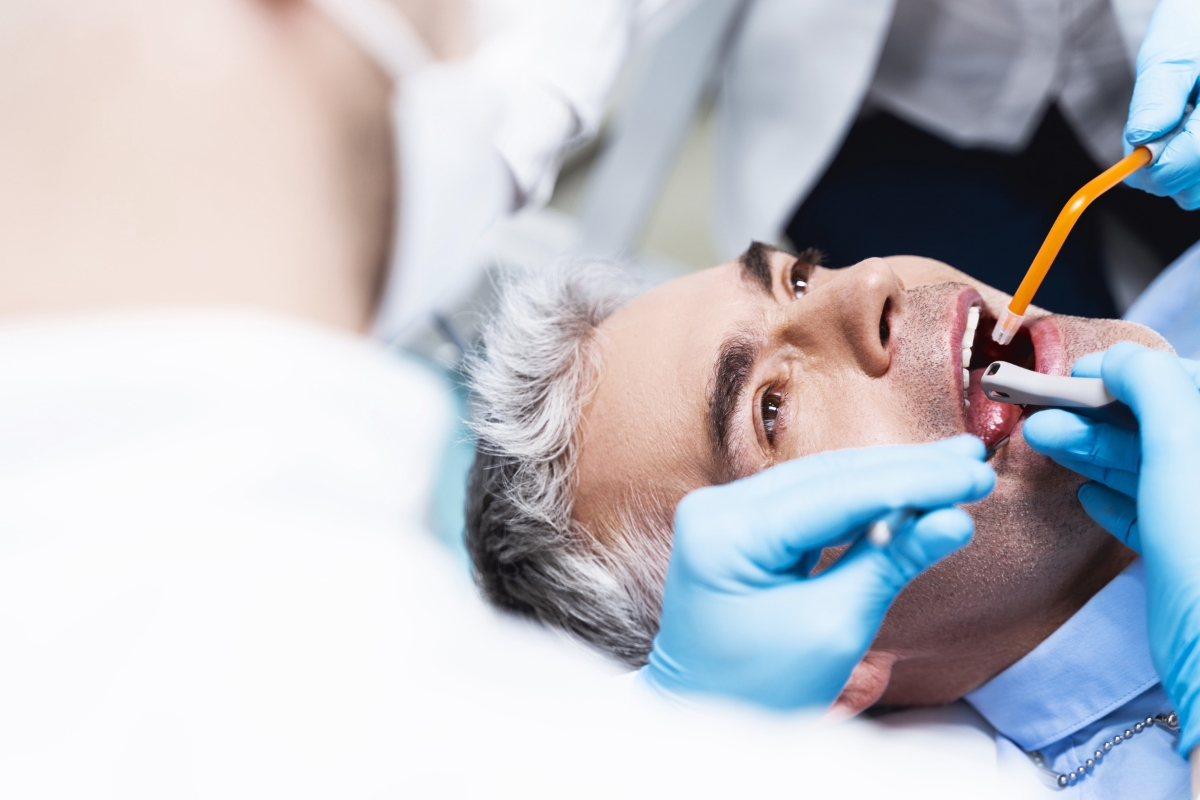


Root canal treatment is an effective way to save a damaged or infected tooth. However, for individuals with diabetes, preparation is essential. Diabetes affects healing, infection control, and overall oral health, which means diabetic patients need to take extra steps before undergoing dental procedures. By focusing on diabetes and root canal preparation, patients can minimize risks and ensure a smoother recovery.
Below are five vital things every diabetic patient should know before getting a root canal.
1. Control Blood Sugar Levels Before the Procedure
Managing blood sugar is critical for diabetic patients, especially before dental treatments. Elevated glucose levels can increase the risk of complications like infections or slow healing.
- Stabilize your levels: Speak with your doctor to confirm your blood sugar is under control. This may involve adjusting medications, insulin, or diet.
- Monitor closely: Check your glucose levels regularly in the days leading up to the procedure. Sudden spikes or dips could affect the outcome of the treatment.
- Avoid stress: Stress can elevate blood sugar levels. Practice relaxation techniques or plan the appointment during a less stressful time of day.
Maintaining stable blood sugar ensures your body can better handle the demands of the treatment and recover more effectively.
2. Inform Your Dentist About Your Condition
Open communication with your dentist is crucial when managing diabetes alongside dental care. Providing accurate information allows your dentist to plan the safest and most effective treatment.
- Disclose your medical history: Share details about your diabetes, such as when you were diagnosed, your typical blood sugar range, and any complications like neuropathy.
- Discuss medications: Mention all medications you are taking, including insulin and oral drugs. Some medications may interact with the anesthetics or antibiotics used during the procedure.
- Raise concerns: If you’ve experienced delayed healing or infections in the past, let your dentist know. They can customize the treatment plan to address these challenges.
When your dentist is fully informed, they can take precautions, such as prescribing preventive antibiotics or adjusting the procedure to suit your needs.
3. Prepare for a Longer Healing Time
Diabetes often affects the body’s ability to heal quickly. For this reason, diabetic patients should be prepared for a potentially longer recovery period after a root canal treatment.
- Follow aftercare instructions: Your dentist will provide specific guidelines for post-procedure care. This may include rinsing with an antiseptic mouthwash or taking prescribed medications.
- Stay alert for signs of infection: Symptoms like swelling, redness, or fever may indicate complications and should be reported immediately.
- Support healing with a healthy lifestyle: Maintain good oral hygiene, eat balanced meals, and stay hydrated to promote recovery.
Healing can vary from person to person, but by taking proactive steps, you can reduce risks and ensure a smoother recovery process.
4. Schedule Your Appointment Wisely
Timing your appointment strategically can help you avoid potential issues related to blood sugar fluctuations.
- Pick the right time: Schedule your procedure during a time when your blood sugar is typically stable, such as after a balanced meal.
- Avoid prolonged fasting: Skipping meals can lead to low blood sugar levels. Eat a healthy meal or snack before the procedure to maintain energy and glucose stability.
- Prepare for emergencies: Bring glucose tablets or snacks to the appointment in case of a sudden drop in blood sugar.
Planning ahead ensures that your body is in the best condition to handle the treatment and recovery.
5. Understand the Importance of Dental Maintenance
Diabetes increases the risk of gum disease and other oral health issues, making preventive care essential. Taking care of your teeth and gums can also improve the success of your root canal and overall oral health.
- Stick to regular dental visits: Routine checkups help catch potential issues early, reducing the likelihood of complications.
- Monitor oral health closely: Be vigilant about symptoms like swollen gums, loose teeth, or persistent pain, which could signal an underlying issue.
- Maintain good habits: Brush twice daily with fluoride toothpaste, floss regularly, and avoid sugary foods to minimize the risk of decay or gum disease.
By staying proactive about your dental health, you can improve outcomes and reduce risks during procedures like a root canal.
Additional Tips for Diabetic Patients
- Stay hydrated: Drinking plenty of water can help maintain saliva production, which is essential for reducing bacterial growth in the mouth.
- Keep stress low: Anxiety can worsen diabetes symptoms, so consider relaxation techniques like deep breathing or mindfulness before your appointment.
- Check for medication interactions: Some antibiotics or painkillers may affect blood sugar levels. Discuss options with both your dentist and doctor.
These small but impactful steps can help you manage both your diabetes and dental health effectively.
Why Diabetes and Root Canal Preparation Are Connected?
Diabetes influences every aspect of oral health, from healing to infection control. Managing this condition properly is critical for successful dental treatments. Taking steps to control blood sugar, inform your dentist, and follow recovery instructions ensures a smoother process.
Understanding the relationship between diabetes and root canal preparation empowers patients to approach their treatment confidently and proactively. Always consult your healthcare providers to create a personalized plan that addresses both your dental and medical needs.