

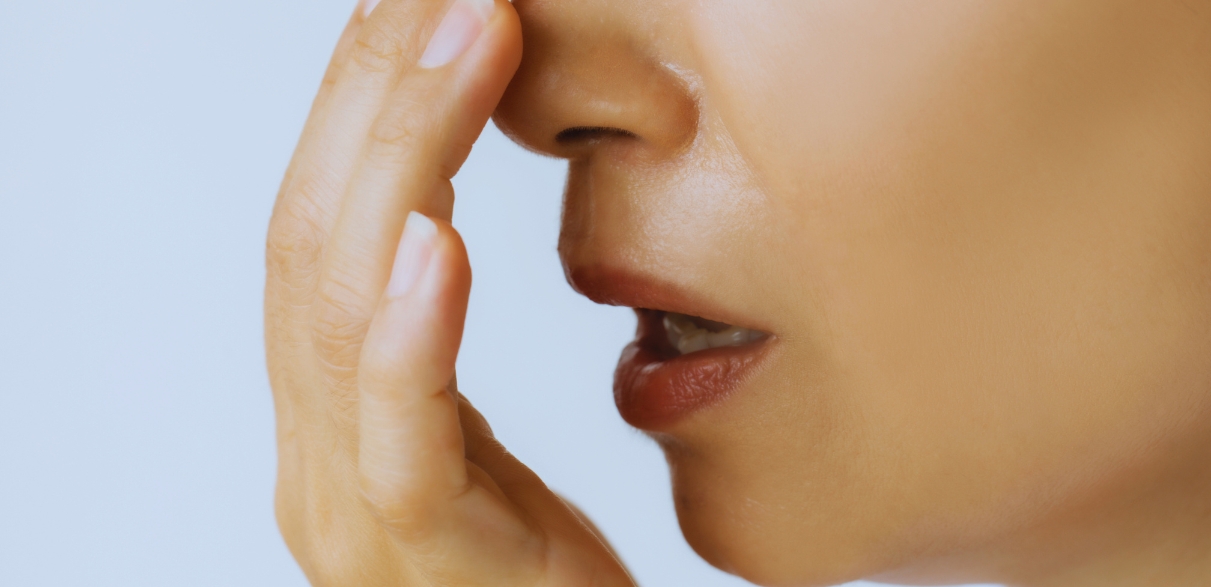
Bad breath is familiar to most people at some point in their lives. It is a widespread condition that affects 1 out of 4 people globally. According to a study, halitosis (bad breath) affects around 31.8% of the global population. Do you have bad breath even after brushing? You have to be cautious.
Yes, bad breath impacts your confidence when talking to people. If you find it challenging to manage, this blog will be helpful as it discusses some causes of bad breath after brushing along with care advice.
Causes Of Bad Breath Even After Brushing
Most of you know that certain foods cause bad breath. Examples include
- Horseradish
- Garlic
- Spicy Foods.
These odors go away with a simple rinse and gurgling. But chronic bad teeth are ominous signs. See a professional of General Dentistry Chicago, IL to understand the specific cause of bad mouth.
However, be mindful of the below-mentioned causes of bad breath even after brushing.
1. Drying Of Mouth
Saliva in the mouth plays an important role by breaking down and diluting food substances. It also helps you chew and swallow food.
But when you produce less saliva, it may result in a dry mouth.
Saliva is resistant to bacterial buildup. Naturally, a lack of it results in tooth decay and gum disease.
Some medications and even tobacco can result in mouth dryness. The causes attributed to dry mouth include:
- Dehydration.
- Alcohol.
- Cannabis.
- Snoring.
- Some particular medications.
2. Lifestyle Choices
If you have smoking habits like cigarettes, vapes, or cigars, it can leave you with bad breath even after brushing.
Even drinking alcohol and smoking cannabis may be the reason for halitosis.
The best way to remedy bad breath from tobacco is to stop or limit yourself from excessive smoking or drinking.
3. Health Conditions
Some health conditions may lead to bad breath. Changes in bacteria levels in the body or chemical changes in the bloodstream may cause it.
Keep note of some of the health conditions that may lead to bad breath after brushing:
- Intestinal blockages.
- Liver failure.
- Kidney failure.
- Diabetes.
- Peptic ulcer.
- Intestinal blockages.
People with this health condition may be prone to bad breath even after brushing.
4. Gum Diseas
Gum diseases may be one reason for bad breath even after brushing. Another name for gum diseas is periodontal diseas, which may result in developing plaque.
It later hardens into tartar, which forms pockets between your teeth and gums.
Bacteria operate actively in these pockets and lead to bad breath. Brushing regularly is the best way to keep gum diseas away.
Remedies For Bad Breath
You can follow some of the American Dental Association’s recommended ways to avoid bad breath:
- First is brushing your teeth with fluoride toothpaste.
- Cleaning between the teeth with dental picks.
- Brush your tongue regularly.
- Visit a dentist regularly and get a thorough checkup.
Apart from the remedies, good dental hygiene routines include drinking sufficient water, using a baking soda rinse, and drinking pineapple juice.
Bad breath, even after brushing, can be frustrating. Good dental practice is an effective way to tackle bad breath. However, visiting a dentist is the safest way to eliminate it. Our reliable dental professionals offer safe medications and advice to free you from bad breath even after brushing.