


Blog Summary:
This blog explains the key differences between a dental filling and a root canal, including when each treatment is needed, how they work, and what patients can expect during recovery. You’ll also learn why early treatment matters, common signs to watch for, and how Chicago patients can protect their natural teeth with the right dental care.
Tooth pain can be confusing. One day it feels like mild sensitivity, and the next it’s hard to chew or sleep. Many patients in Chicago ask the same question: Do I need a filling, or do I need a root canal?
Understanding the difference between these two treatments can help reduce fear, avoid delays, and protect your natural teeth. Both fillings and root canals are designed to treat tooth damage, but they are used at very different stages of decay.
Save Your Smile Today! Call Now!

Thanks for taking the time to learn more about the difference between a root canal and a filling! We hope you feel more confident about your next dental visit and understand that the goal of a root canal is always to save your natural tooth. When you stop by our Wicker Park Dental Group office in Chicago, you’ll be greeted by Dr. Brandon Siaj, Dr. Krishna Gopisetty and our compassionate team, who are dedicated to making your treatment as comfortable and stress-free as possible.
Your consultation is always personalized, so what are you waiting for? Whether you need a filling or a root canal, Dr. Brandon Siaj, Dr. Krishna Gopisetty and our skilled staff are here to guide you every step of the way and help protect your smile for years to come. Schedule an appointment today and take the first step toward lasting dental health!
What Is Dental Filling?
A dental filling is used when tooth decay is limited to the outer layers of the tooth. This includes the enamel and sometimes the dentin underneath.
During a filling, the dentist removes the decayed portion of the tooth and replaces it with a strong material, such as composite resin. This restores the tooth’s shape and function while stopping decay from spreading further.
Fillings are commonly recommended when:
- Cavities are caught early
- Tooth sensitivity is mild or occasional
- There is no infection inside the tooth
For many patients, fillings are quick, effective, and help avoid more complex treatment later.
What Is a Root Canal?
A root canal is needed when decay or damage reaches the inner part of the tooth, called the pulp. The pulp contains nerves and blood vessels, which is why deep infection often causes severe pain.
During a root canal, the dentist removes the infected pulp, cleans the inside of the tooth, and seals it to prevent future infection. In most cases, a crown is placed afterward to strengthen the tooth.
It’s important to understand that the goal of a root canal is to save the tooth, not remove it. With modern techniques, root canals are comfortable and help preserve your natural smile.
Key Differences Between a Filling and a Root Canal
The main difference comes down to how deep the damage is. A filling treats surface-level decay, while a root canal treats infection inside the tooth.
A filling restores a tooth that is still healthy at its core. A root canal treats a tooth that would otherwise need to be extracted if left untreated. Both treatments aim to stop pain, prevent further damage, and maintain proper chewing function.
Signs You May Need a Filling
Patients often need a filling when symptoms are mild or caught early. Common signs include sensitivity to sweets, cold drinks, or pressure when chewing.
In many cases, cavities do not cause pain right away. That’s why routine dental visits are important, especially for busy Chicago residents who may delay care due to work or family schedules.
Signs You May Need a Root Canal
Root canal symptoms tend to be more noticeable and persistent. These may include severe tooth pain, swelling, lingering sensitivity to heat, or a darkened tooth.
Ignoring these signs can allow infection to spread, potentially leading to abscesses or tooth loss. Early treatment often means simpler recovery and better long-term results.
As one satisfied patient shared-
Dr Siaj and team were great. I’m completely terrified of going to the dentist. I went in with a broken molar that needed a root canal and crown. They were very accommodating, explained everything and made the experience better than I could have imagined. I feel lucky that they’re in the neighborhood and will definitely be going back. – A Sherman
Transparency matters. Read our Google reviews to learn why patients continue to choose us.
Why Early Treatment Makes a Big Difference
When decay is treated early with a filling, patients can often avoid more involved procedures. Waiting too long allows bacteria to move deeper into the tooth, increasing the chance of needing a root canal.
For Chicago patients juggling work, commuting, and daily responsibilities, addressing dental issues early can save time, discomfort, and cost in the long run.
Recovery and Comfort: What Patients Can Expect
Fillings usually require little to no recovery time. Mild sensitivity may occur but typically fades quickly.
Root canal recovery may take a bit longer, but most patients return to normal activities within a day. Modern dentistry has made root canal treatment far more comfortable than many people expect.
Are you experiencing persistent tooth pain, sensitivity, or swelling that just won’t go away? Discover what these symptoms could mean and why it might be time to learn more about root canal treatment in our detailed guide here.
Why Patients Trust Wicker Park Dental Group
At Wicker Park Dental Group, patient comfort and clarity come first. The team takes time to explain whether a filling or root canal is the right solution based on your specific tooth condition.
Using advanced technology and a gentle approach, the practice focuses on preserving natural teeth whenever possible. For patients who need root canal care, Wicker Park Dental Group ensures treatment is precise, comfortable, and focused on long-term oral health.
Chicago patients appreciate having a local dental team that understands their needs, explains options clearly, and provides dependable care when it matters most.
Final Thoughts: Don’t Guess—Get Answers
If you’re experiencing tooth pain or sensitivity, the best next step is a professional evaluation. Knowing whether you need a filling or a root canal can prevent unnecessary discomfort and protect your smile.
Early care often leads to simpler treatment and better outcomes—no matter how busy life in Chicago gets.
About Our Practice & Dental Team
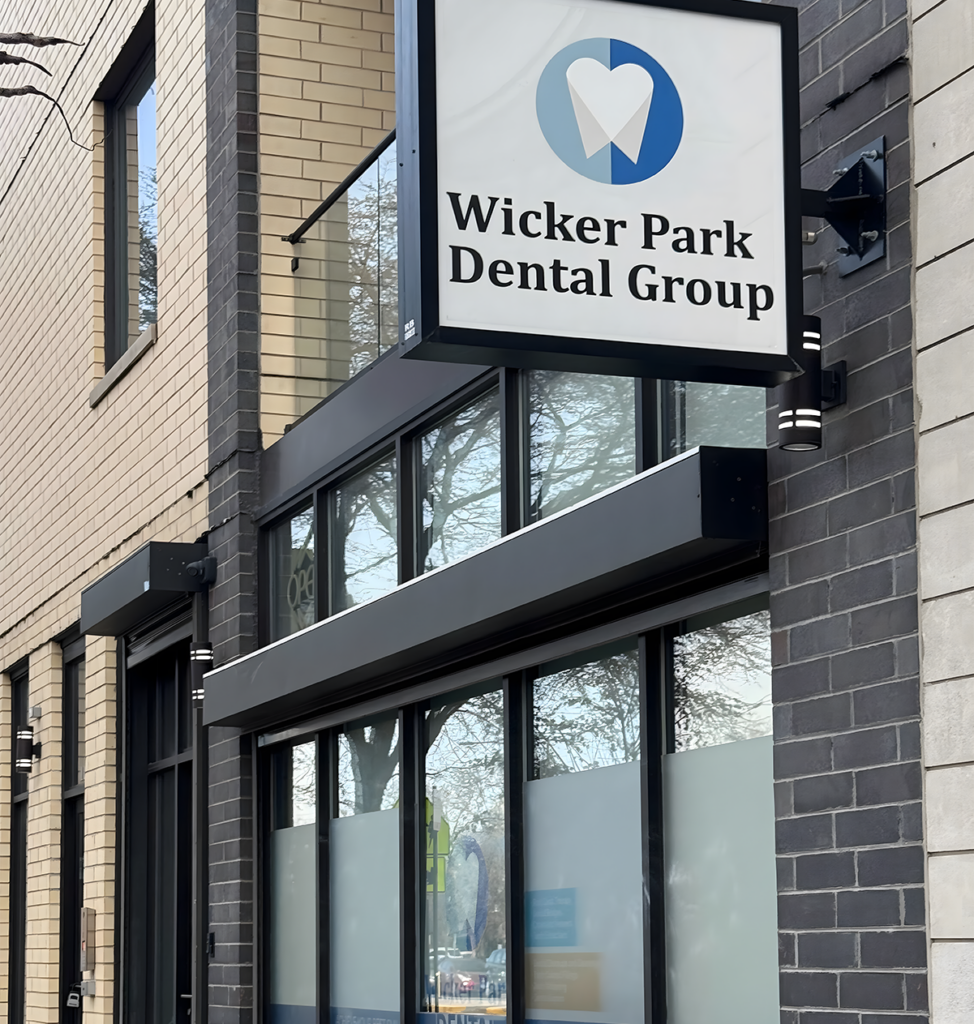
At Wicker Park Dental Group, we are committed to providing exceptional, patient-focused dental care for every smile we serve. Our experienced doctors and friendly team work together to help patients achieve and maintain optimal oral health with comfort, confidence, and personalized treatment plans. From routine exams and cleanings to restorative care and advanced procedures, we use modern dental technology and proven techniques to ensure the best possible outcomes for our patients.
Our skilled dentists include dedicated professionals such as Dr. Krishna Gopisetty and Dr. Siaj, who bring years of training, experience, and compassionate care to every visit. We take the time to listen to your goals, explain your options clearly, and develop treatment plans tailored to your unique needs and lifestyle.
Whether you are looking to restore a damaged tooth, improve your smile, or maintain your oral health, our team is here to guide you every step of the way. Contact us today to schedule an appointment or consultation. We look forward to helping you achieve a healthy, confident smile!