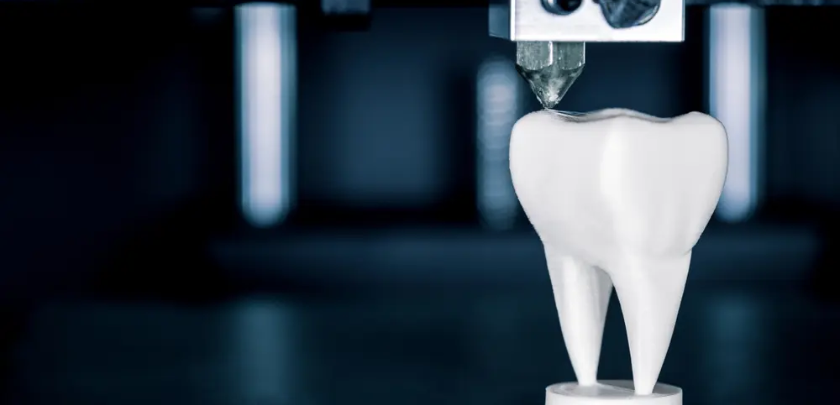
The dental industry has seen a significant transformation over the past few years, one of the most revolutionary being the adoption of 3D printing technology. This innovative technique, also known as additive manufacturing, has unlocked numerous benefits, streamlining various dental procedures. From improving the customization of dental appliances to enhancing the efficiency in workflows, 3D printing stands as a modern marvel in dentistry. Here, we explore the myriad advantages it brings to the field.
Efficiency and Speed
One of the most salient benefits of 3D printing is the dramatic increase in efficiency and speed in dental production processes. Traditional methods of creating dental models and appliances can be time-consuming and labor-intensive. In contrast, 3D printing allows for dental parts to be constructed layer by layer in a matter of hours, not days, greatly accelerating production times.
Such efficiency is particularly beneficial when producing orthodontic devices such as aligners or retainers. Dentists can swiftly generate these items tailored to the patient’s mouth, improving turnaround times for better patient service. Additionally, the ability to rapidly prototype means that new dental products can reach the market quicker, paving the way for constant innovation.
Customization and Precision
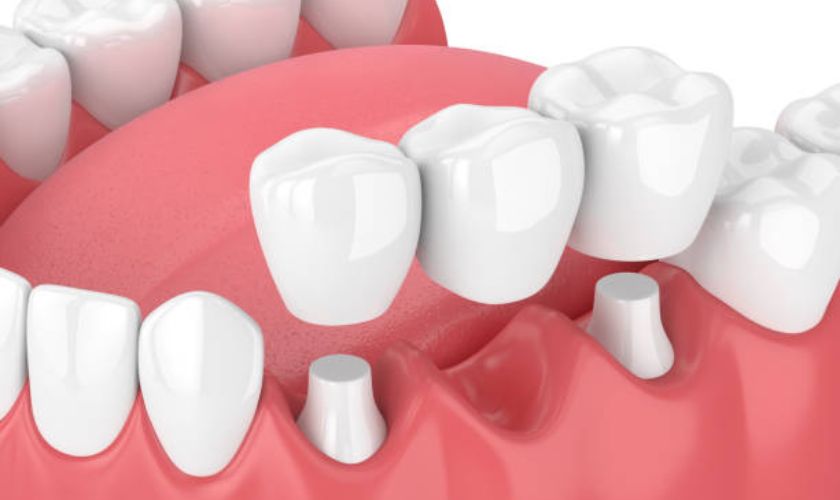
Customization capabilities are amplified with 3D printing, ensuring an exact fit and enhanced comfort for patients. As dental devices like implants, crowns, and bridges require a high level of customization, the precision of 3D printers offers an optimal solution.
The technology relies on digital dental scans that capture an accurate representation of a patient’s oral cavity. These scans are then converted into a design that a 3D printer can interpret, creating customized devices that fit with pinpoint accuracy. Such precision not only benefits the fit and comfort but also contributes to better overall dental health outcomes.
Cost-Effectiveness
Cost reduction is evident in several aspects of 3D printing. By minimizing the need for storage space for pre-made dental components, costs associated with inventory are reduced. Also, the amount of material waste is significantly less compared to traditional subtractive manufacturing processes, where excess material is carved away.
Additionally, the reduction in manual labor required for the creation of dental appliances, and the ability to make multiple items simultaneously, allows 3D printing to boast a cost-effective manufacturing process that saves both time and resources.
Materials Innovation
3D printing in dentistry has pushed the envelope in materials science, leading to innovative material options that are biocompatible and offer better performance. New resins and ceramics designed for 3D printers are continually being developed to improve the aesthetics and functionality of dental appliances.
These advanced materials have properties that can mimic the look and feel of natural teeth, providing a more appealing and durable solution for patients. Furthermore, they can be engineered to be more resistant to breakage and wear than traditional dental materials.
Patient Experience
From the patient’s perspective, the adoption of 3D printing in dentistry enhances their overall experience. Improved speed of service means patients can enjoy quicker relief with same-day dental applications. The accuracy of 3D printed devices offers a better fit, which translates to increased comfort and better results from dental treatments.
Furthermore, by utilizing digital scans over traditional impressions, patients are spared from the often uncomfortable process of having molding materials in their mouth, thus improving the patient experience significantly.
Education and Training
3D printing also offers valuable tools for dental education and training. Dental students can practice on 3D-printed models that closely replicate real human teeth and gums, developing their skills before working with patients. The technology brings a new dimension to learning and allows for a more hands-on educational approach.
The integration of 3D printing in dentistry is a game-changer. Its rapid ascent speaks volumes about its potential to further revolutionize the field. With an ability to enhance efficiency, customization, cost-effectiveness, patient experience, and educational opportunities, 3D printing technology is poised to continue its trajectory of growth and innovation within dental care.
Ultimately, as 3D printing technology continues to evolve and becomes more accessible, we can expect even greater advances and use cases in dentistry. Whether for prosthetics, orthodontics, restorative work, or even complex surgical planning, the technology promises a brighter, more efficient future for dental professionals and patients alike. Thus, the adoption of 3D printing is not just an improvement but a critical evolution in the ongoing quest to provide the best in patient care.