

Quick Summary:
If you are missing one or more teeth, you may be deciding between a dental bridge and a dental implant. This blog explains how each option works, the benefits and limits of both, and long-term value, and how to choose what fits your needs. We also share what Chicago patients should consider before making a decision.
Living in Chicago means you are always on the go. From grabbing coffee before catching the L to enjoying dinner in Wicker Park or cheering on your favorite team downtown, your smile is part of your everyday life. So when you lose a tooth, even just one, it can affect more than your appearance. You may notice changes in how you chew, speak, or even how confident you feel in social settings.
If you are trying to decide between a dental bridge or a dental implant, you are not alone. Many Chicago patients ask which option makes more sense for their lifestyle, budget, and long-term health. Understanding the difference can help you choose a solution that keeps your smile strong and natural for years to come.
What Is a Dental Bridge?
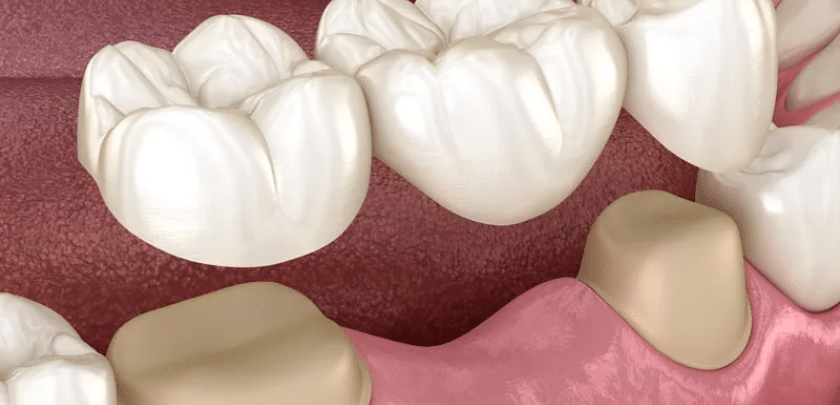
A dental bridge fills the space left by a missing tooth. It uses the teeth next to the gap for support. Those nearby teeth are shaped and fitted with crowns, which hold a false tooth in the middle. This “bridges” the empty space.
Bridges are fixed in place, which means they do not come out like dentures. Once placed, they look and feel like natural teeth.
At Wicker Park Dental Group, bridges are custom made to match your smile. Many patients like that the process is usually faster than implants and does not require surgery.
However, one thing many people do not realize is that placing a bridge requires changing the healthy teeth next to the gap. Those teeth must be reduced in size to support the crowns.
What Is a Dental Implant?
A dental implant replaces both the visible tooth and the root underneath. A small titanium post is placed in the jawbone. After healing, a crown is attached to the top.
Implants stand on their own and do not rely on nearby teeth for support. This helps protect the surrounding teeth and keeps the jawbone strong. When a tooth is missing, the bone in that area can slowly shrink. Implants help prevent this bone loss.
Many Chicago patients choose an implant for every missing tooth because it feels stable and natural. Once healed, implants function very much like real teeth.
Comparing Strength and Longevity
Both bridges and implants are strong options, but they differ in how long they typically last.
Bridges often last 10 to 15 years with proper care. Their lifespan depends on the health of the supporting teeth and good oral hygiene.
Implants can last much longer. With regular care and checkups, many implants remain in place for decades. Since they are anchored in the jawbone, they provide long-term support.
In a busy city like Chicago, where people are always on the move, many patients prefer a solution that feels secure while eating deep-dish pizza or enjoying meals along the Riverwalk.
The Treatment Process
Bridges usually require two visits. During the first visit, the supporting teeth are prepared and impressions are taken. On the second visit, your permanent bridge was installed and adjusted for comfort.
Implants involve a longer process. First, the implant post is placed in the jawbone. Healing may take several months before the final crown is attached. While it takes more time, many patients feel the long-term benefit is worth it.
Your dentist will examine your bone health, gum condition, and overall oral health before recommending one option over the other.
Maintenance and Daily Care
No matter which option you choose, daily care plays a big role in how long your restoration lasts.
Dental bridges require careful cleaning around and under the false tooth. Special floss threaders or small brushes are often recommended to clean beneath the bridge and keep the supporting teeth healthy. Since a bridge depends on nearby teeth, keeping those teeth free from decay and gum disease is very important.
Dental implants also need regular brushing and flossing, just like natural teeth. While implants cannot get cavities, the gums around them must stay healthy. Poor oral hygiene can lead to inflammation or infection around the implant.
Regular dental checkups help monitor both bridges and implants to ensure everything stays stable. Your dentist will check your bite, examine your gums, and make sure your restoration continues to function properly.
Choosing between a bridge and an implant is not only about the procedure itself. It is also about how comfortable you feel maintaining it as part of your daily routine.
Which Option Is Right for You?
The answer depends on several factors. If the teeth next to the missing tooth already need crowns, a bridge may make sense. If you want a solution that does not affect nearby teeth and helps protect your jawbone, an implant may be a better fit.
Your overall health, budget, and personal goals all matter.
At Wicker Park Dental Group in Chicago, patients can discuss whether an implant for every missing tooth or a custom bridge is the right path forward. Our team evaluates each case carefully and explains every step so patients can make informed choices.
Why Replacing a Missing Tooth Matters
Some people think they can live with one missing tooth, especially if it is not visible. But gaps can cause nearby teeth to shift. This may lead to bite problems, jaw pain, and uneven wear.
Replacing a missing tooth helps maintain balance in your mouth and keeps your smile aligned.
In a city like Chicago, where social events, work meetings, and community gatherings are part of daily life, having a complete and healthy smile can make a difference in how you feel.
Final Thoughts
Both bridges and implants are reliable ways to replace missing teeth. Bridges offer a quicker solution without surgery, while implants provide strong, independent support and help maintain bone health.
The right choice depends on your needs and long-term goals. If you are exploring options in Chicago, scheduling a consultation can help you understand which treatment fits your situation.
Restoring your smile is not just about appearance. It is about protecting your health and feeling confident every day.