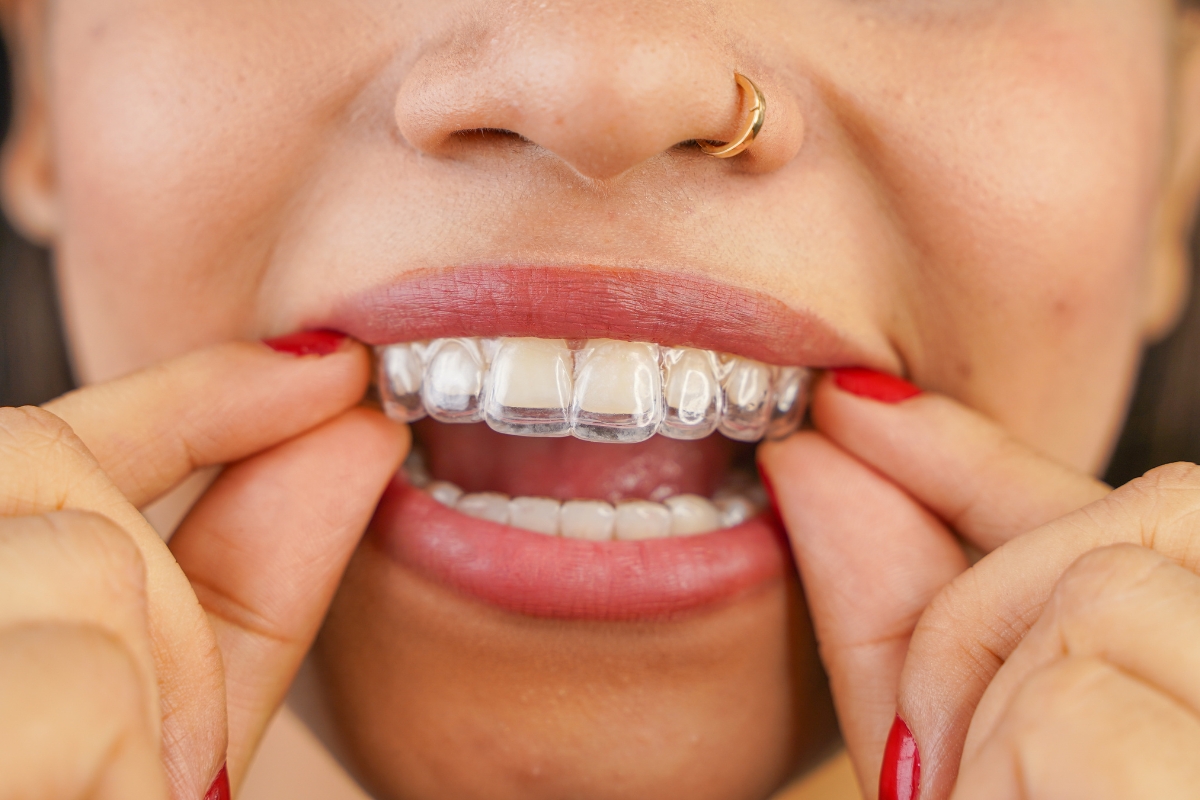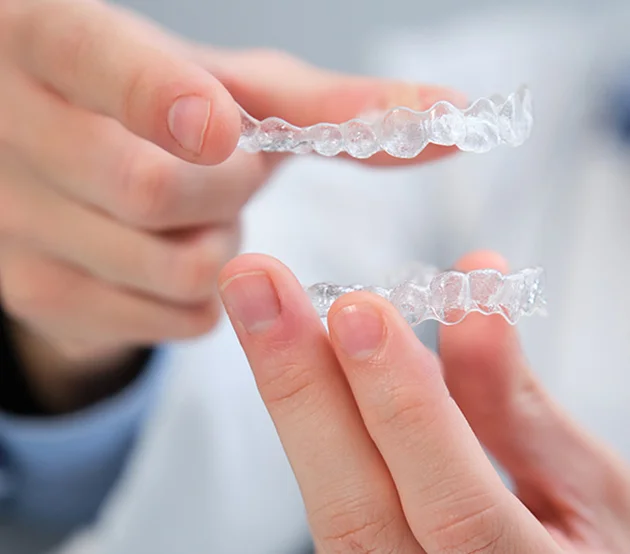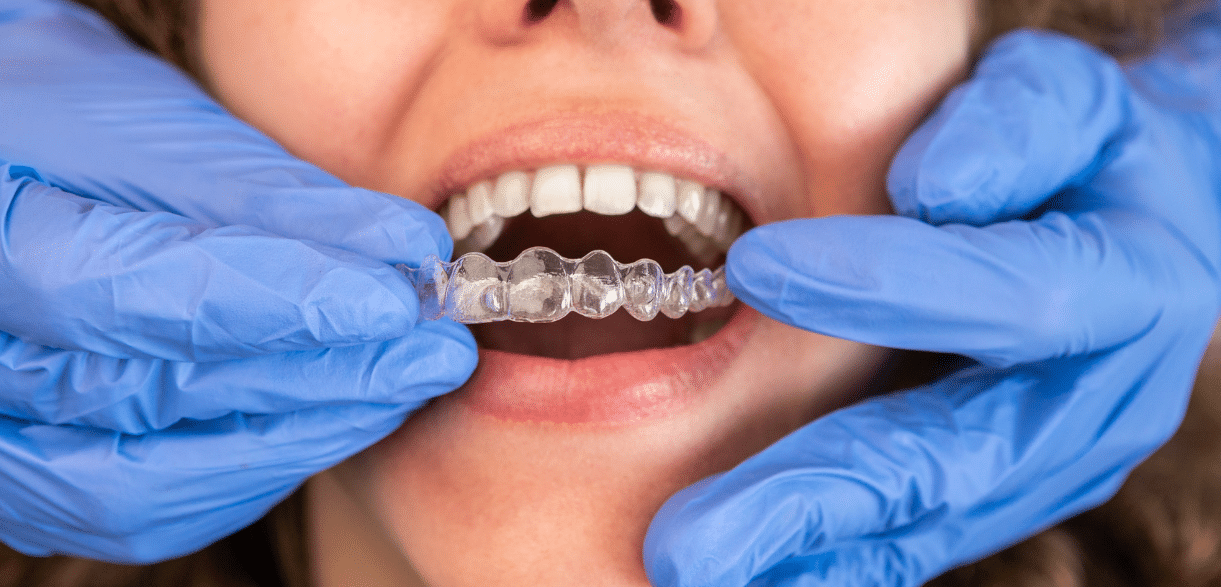

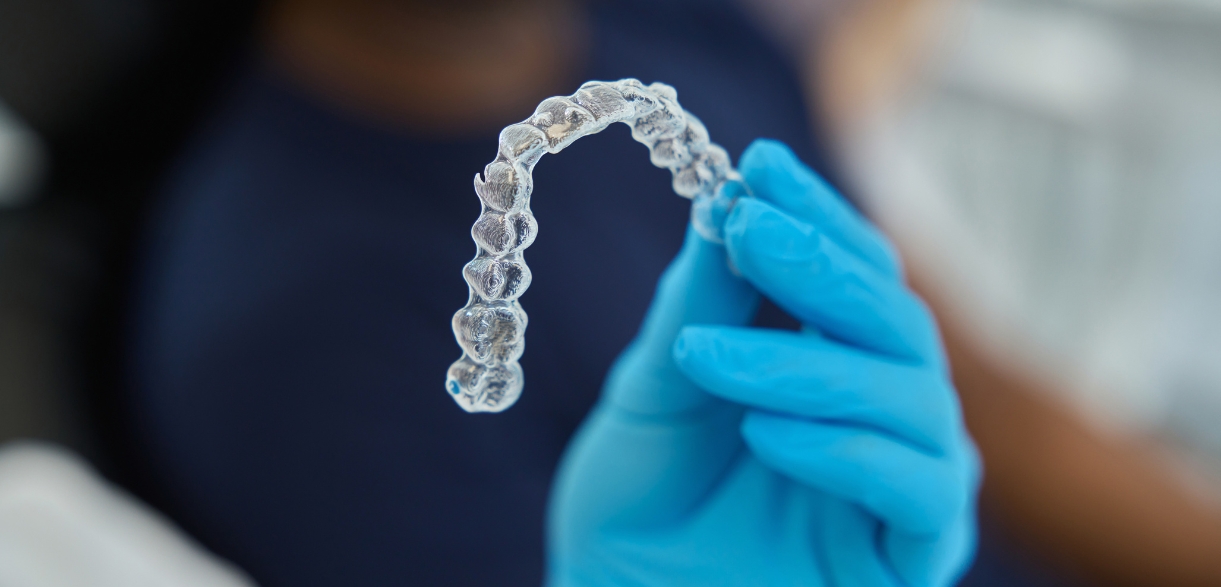
Invisalign is an amazing way to straighten your teeth without metal brackets and wires. It’s clear, comfortable, and fits easily into daily life. But what happens if you have cavities? Can you still get Invisalign? Let’s break it down simply so you know exactly what to expect.
What Happens If You Have Cavities?
If you have untreated cavities, a dentist will likely recommend fixing them before starting Invisalign. Here’s why:
- Cavities weaken your teeth. Moving teeth that have decay can cause more damage or even tooth loss.
- Aligners fit tightly. Trapping bacteria and decay under aligners can make cavities worse.
- Delaying treatment. If cavities worsen during Invisalign, you might have to pause your treatment to get them fixed.
Fixing cavities first ensures your teeth are strong and healthy enough to handle the small movements caused by aligners.
According to the CDC, over 90% of adults aged 20 to 64 have had at least one cavity in their lifetime.
This means if you have a cavity, you’re definitely not alone — and it’s no reason to panic! With proper care, you can still get the smile you’ve been dreaming of.
How Dentists Handle Cavities Before Invisalign?
Here’s what usually happens if a dentist finds cavities during your consultation:
- Dental Exam: They will check your teeth and gums carefully. They may also take X-rays to get a clearer view of any hidden decay that could affect your Invisalign treatment in Chicago, IL.
- Treat Cavities: They’ll fix any cavities with fillings, crowns, or other needed treatments. This step ensures your teeth are strong enough to handle the pressure from the aligners without risking further damage.
- Wait for Healing: After treatment, your mouth may need a little time to heal (usually just a few days to a week). Giving your teeth and gums time to recover helps create a healthy foundation for your Invisalign aligners to work effectively.
- Start Invisalign: Once everything looks good, you’ll be ready to start your clear aligner journey! Dentists will take impressions or digital scans to custom-make your aligners for the best possible fit and results.
Fixing cavities first protects your teeth during treatment and helps you get the best results possible.
What If You Get a Cavity During Invisalign?
It can happen! Even during Invisalign, you need to stay on top of dental hygiene. If a cavity pops up during treatment:
- Pause Treatment (Sometimes): In some cases, you may need to stop using aligners temporarily.
- Treat the Cavity: A dentist will fix the problem quickly.
- Adjust Aligners: Sometimes new aligners need to be made if your tooth changes shape.
That’s why it’s crucial to keep brushing, flossing, and seeing a dentist regularly even while using Invisalign.
Tips To Avoid This Situation From Occurring
- Brush after every meal before putting your aligners back in.
- Floss daily to remove food trapped between teeth.
- Rinse your aligners with clean water regularly.
- Stay away from sugary foods and drinks that feed harmful bacteria.
- Visit dentist for cleanings and checkups every 6 months or sooner.
Good hygiene habits protect both your natural teeth and your Invisalign investment.
Yes, But First Fix Your Cavities First!
Can you get Invisalign with cavities? Technically yes — but only after the cavities are treated. Healthy teeth are essential for successful Invisalign treatment. Fixing cavities first helps ensure your smile is not just straighter, but stronger and healthier too.
Don’t worry if you have a cavity or two. Our dentist will guide you through the best steps so you can safely start your Invisalign journey and enjoy a confident & beautiful smile.