

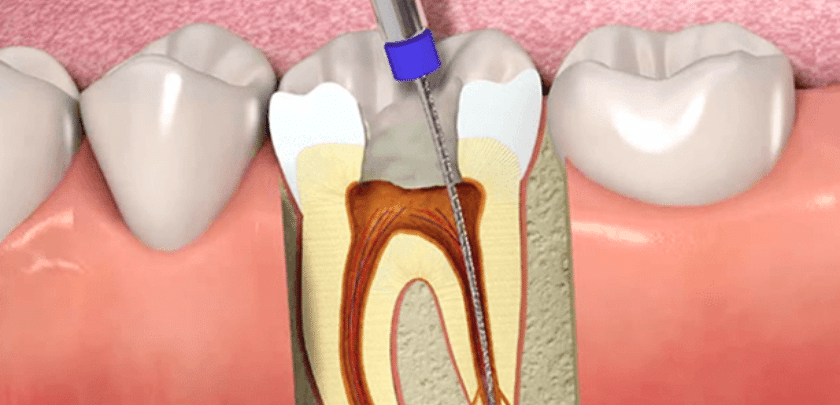
Root canals are a dental procedure designed to save a tooth that has become infected or severely decayed. While the mere mention of a root canal can strike fear into the hearts of many, modern advancements in dentistry have made the procedure much more comfortable and efficient than in the past. Understanding the signs that indicate you may need a root canal can help you seek treatment promptly and prevent further damage to your teeth. Here are some common signs that you may need a root canal:
- Persistent Pain: One of the most common signs that you may need a root canal is persistent tooth pain. This pain may be dull or throbbing and can vary in intensity. It may worsen when you bite down on the affected tooth or when you consume hot or cold foods and beverages. In some cases, the pain may radiate to other areas of the face, jaw, or head.
- Sensitivity to Hot and Cold: If you experience sharp, sudden pain when you consume hot or cold foods and beverages, it could be a sign of nerve damage or infection within the tooth. This sensitivity may linger even after the hot or cold stimulus is removed and can indicate the need for a root canal.
- Swelling and Tenderness: Swelling of the gums around a specific tooth, as well as tenderness or redness in the surrounding area, can be indicative of an infection that requires a root canal. In some cases, the swelling may be accompanied by the formation of a pimple-like bump on the gums, known as a dental abscess.
- Discoloration of the Tooth: A tooth that has become discolored, particularly if it has turned dark gray or black, may be a sign of nerve damage or decay deep within the tooth. This discoloration occurs as the blood supply to the tooth becomes compromised, and the pulp tissue begins to die. In such cases, a root canal may be necessary to remove the infected tissue and restore the tooth’s appearance.
- Loose Teeth: If a tooth becomes loose without any apparent cause, it may be due to damage or infection of the surrounding tissues, including the ligaments and bone that support the tooth. A root canal may be needed to address the underlying issue and stabilize the tooth.
- Prolonged Sensitivity to Pressure: Pressure sensitivity when biting or chewing, particularly if it persists for an extended period, can be a sign of damage or infection within the tooth. This sensitivity may indicate that the nerves and blood vessels inside the tooth have been compromised and may require a root canal to address.
- Bad Taste or Odor in the Mouth: An unpleasant taste or odor in the mouth, especially if it is localized to a specific tooth, can be a sign of infection or decay within the tooth. This may occur when bacteria accumulate in the pulp chamber and release toxins as they feed on decaying tissue. A root canal can help remove the source of the infection and eliminate the associated bad taste or odor.
- History of Trauma or Injury: If you have experienced trauma or injury to a tooth, such as a fracture or a blow to the mouth, it can increase the risk of nerve damage and infection. Even if the initial symptoms subside, the underlying damage may still be present and require a root canal to prevent future complications.
- Previous Dental Procedures: If you have undergone multiple dental procedures on the same tooth, such as fillings or crowns, it can weaken the tooth’s structure and make it more susceptible to infection. In such cases, a root canal may be necessary to address any underlying issues and preserve the tooth.
- Visible Signs of Decay: Visible signs of decay, such as dark spots or holes in the tooth enamel, may indicate that the infection has spread deep into the tooth and reached the pulp chamber. If left untreated, this can lead to further damage and the eventual loss of the tooth. A root canal can help remove the infected tissue and restore the tooth’s health and function.
It is essential to remember that not all cases of tooth pain or sensitivity require a root canal. However, if you experience any of the signs mentioned above, it is essential to consult with a dentist promptly to determine the underlying cause of your symptoms and receive appropriate treatment. Delaying treatment for a tooth that requires a root canal can lead to further complications and may ultimately result in the loss of the tooth. By addressing the issue early and seeking timely dental care, you can preserve your oral health and avoid more extensive dental procedures in the future.