
In the vibrant city of Chicago, achieving a dazzling smile is an aspiration shared by many. Porcelain veneers have emerged as a popular cosmetic dentistry solution, offering the promise of a radiant and flawless smile transformation. However, the suitability of porcelain veneers varies from person to person.
This comprehensive guide explores the five key factors that play a pivotal role in determining your candidacy for porcelain veneers in Chicago. From dental health prerequisites to aesthetic goals, we delve into the essential considerations that will empower you to make an informed decision about embarking on this remarkable journey towards a more confident and captivating smile.
How to Know If You Are a Good Candidate for Porcelain Veneers
Factor 1: Overall Dental Health
1. Gum Health: Healthy gums are essential for successful veneer placement. If a patient has gum disease or issues like gingivitis, it’s crucial to address these concerns before considering veneers. Gum problems can affect the stability of veneers and lead to complications.
2. Cavity-Free Teeth: Veneers adhere to the surface of teeth, so it’s essential that the underlying tooth structure is free from cavities. Any existing cavities should be treated and filled before veneers are placed to ensure the longevity of the veneers and prevent further tooth decay.
Factor 2: Tooth Alignment
1. Mild to Moderate Misalignment: Porcelain veneers are typically used to address minor issues with tooth alignment or irregularities. They can help improve the appearance of slightly crooked or misaligned teeth. However, for more severe misalignment or orthodontic issues, traditional orthodontic treatments like braces or clear aligners may be recommended before considering veneers.
2. Consultation with a Cosmetic Dentist: A consultation with a cosmetic dentist is essential to assess whether veneers can effectively address tooth alignment concerns. During the consultation, the dentist will evaluate the degree of misalignment and discuss the most suitable treatment options to achieve the desired results.
Factor 3: Tooth Color and Stains
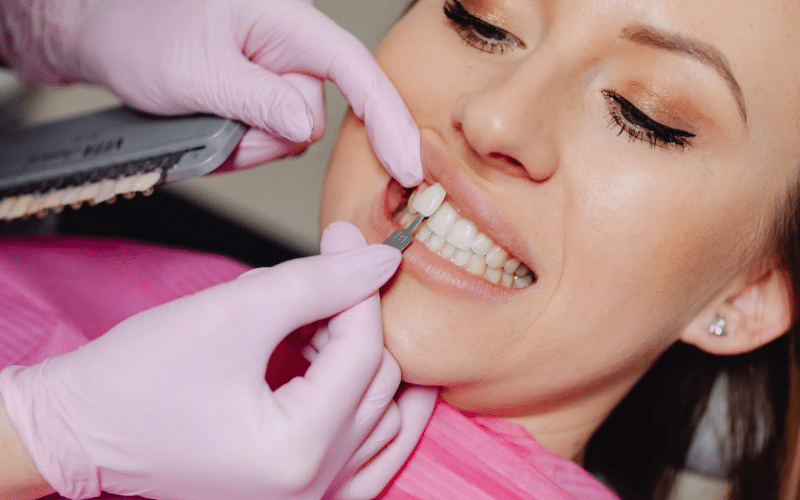
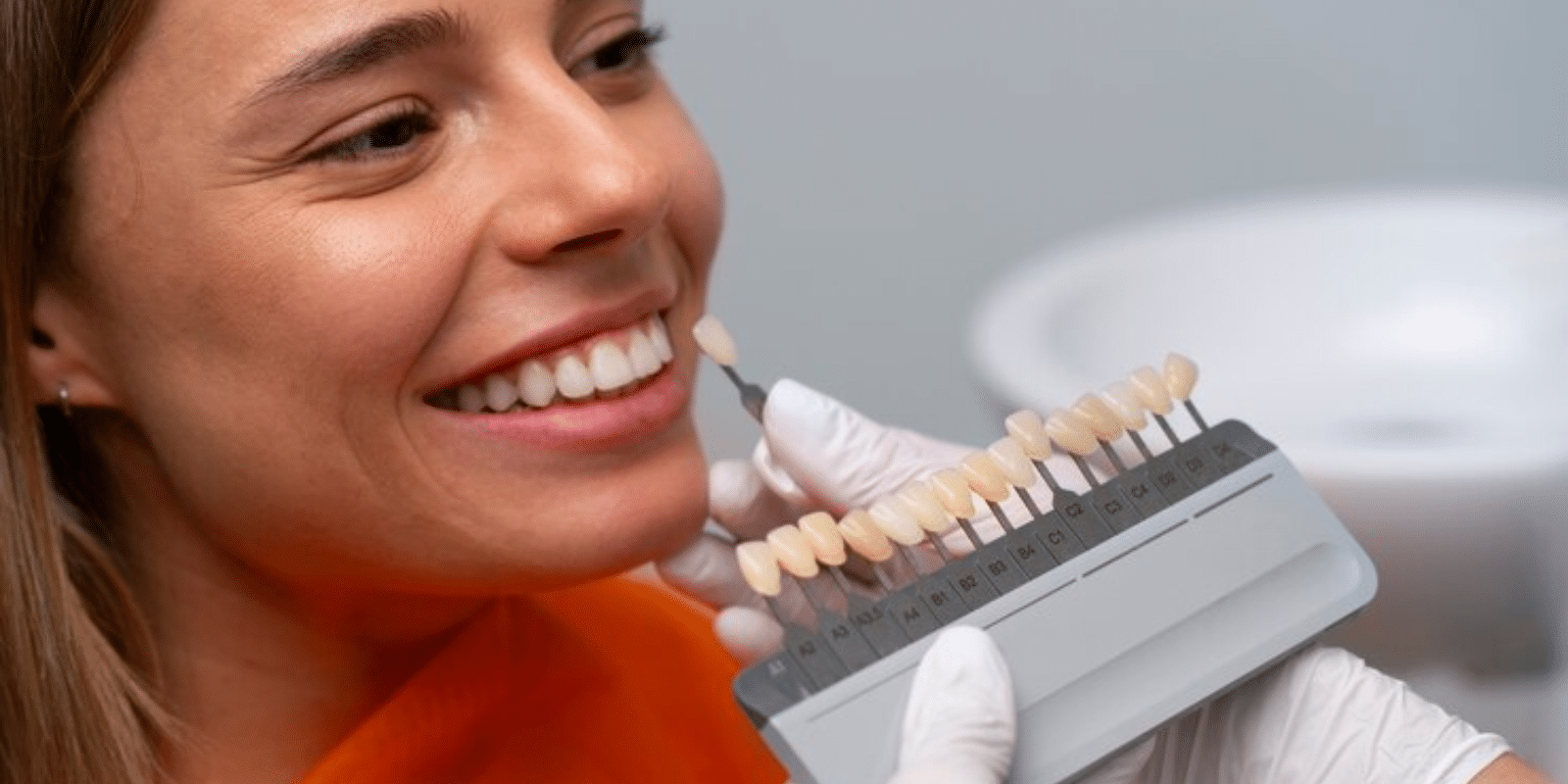
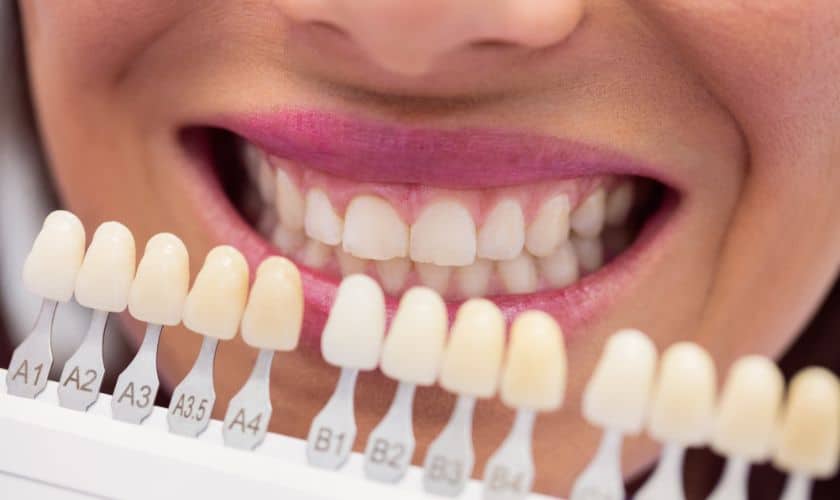
1. Tooth Discoloration: Porcelain veneers are effective in addressing tooth discoloration, including stains from coffee, tea, smoking, or certain medications. They can provide a bright and consistent tooth color, improving the aesthetics of discolored teeth.
2. Stain Resistance: Porcelain veneers are highly resistant to staining compared to natural teeth. However, it’s important to consider that while veneers themselves are stain-resistant, the natural teeth adjacent to the veneers may still be susceptible to staining. Maintaining good oral hygiene and avoiding excessive consumption of stain-inducing substances can help prolong the longevity of veneers’ bright appearance.
Factor 4: Tooth Enamel Condition
1. Healthy Tooth Enamel: Veneers require a stable and healthy tooth enamel surface for successful adhesion. If a tooth has significant enamel erosion, decay, or damage, it may not be a suitable candidate for veneers. In such cases, addressing the underlying enamel issues or considering alternative treatments may be necessary.
2. Enamel Preservation: One of the advantages of porcelain veneers is that they require minimal enamel removal compared to some other dental procedures, like crowns. However, a small amount of enamel may still need to be removed to create space for the veneer. A dentist will evaluate the amount of enamel that can be preserved during the veneer placement process.
Factor 5: Aesthetic Goals and Expectations
1. Clear Communication: Effective communication with a cosmetic dentist is crucial when considering veneers. Patients should openly discuss their aesthetic goals and expectations. This includes sharing details about the desired tooth shape, size, color, and overall smile appearance. Clear communication ensures that the final results align with the patient’s vision.
2. Realistic Expectations: While porcelain veneers can create a significant improvement in smile aesthetics, it’s important to maintain realistic expectations. Veneers can enhance the appearance of teeth, but they may not completely alter their natural structure. Dentists will work with patients to set achievable goals that align with their unique features and facial aesthetics.
Consultation with a Cosmetic Dentist
1. Comprehensive Evaluation: During the consultation, the cosmetic dentist conducts a thorough assessment of your oral health and specific dental concerns. This evaluation includes examining the condition of your teeth, gums, bite, and overall oral health. X-rays or digital imaging may be used to get a complete picture.
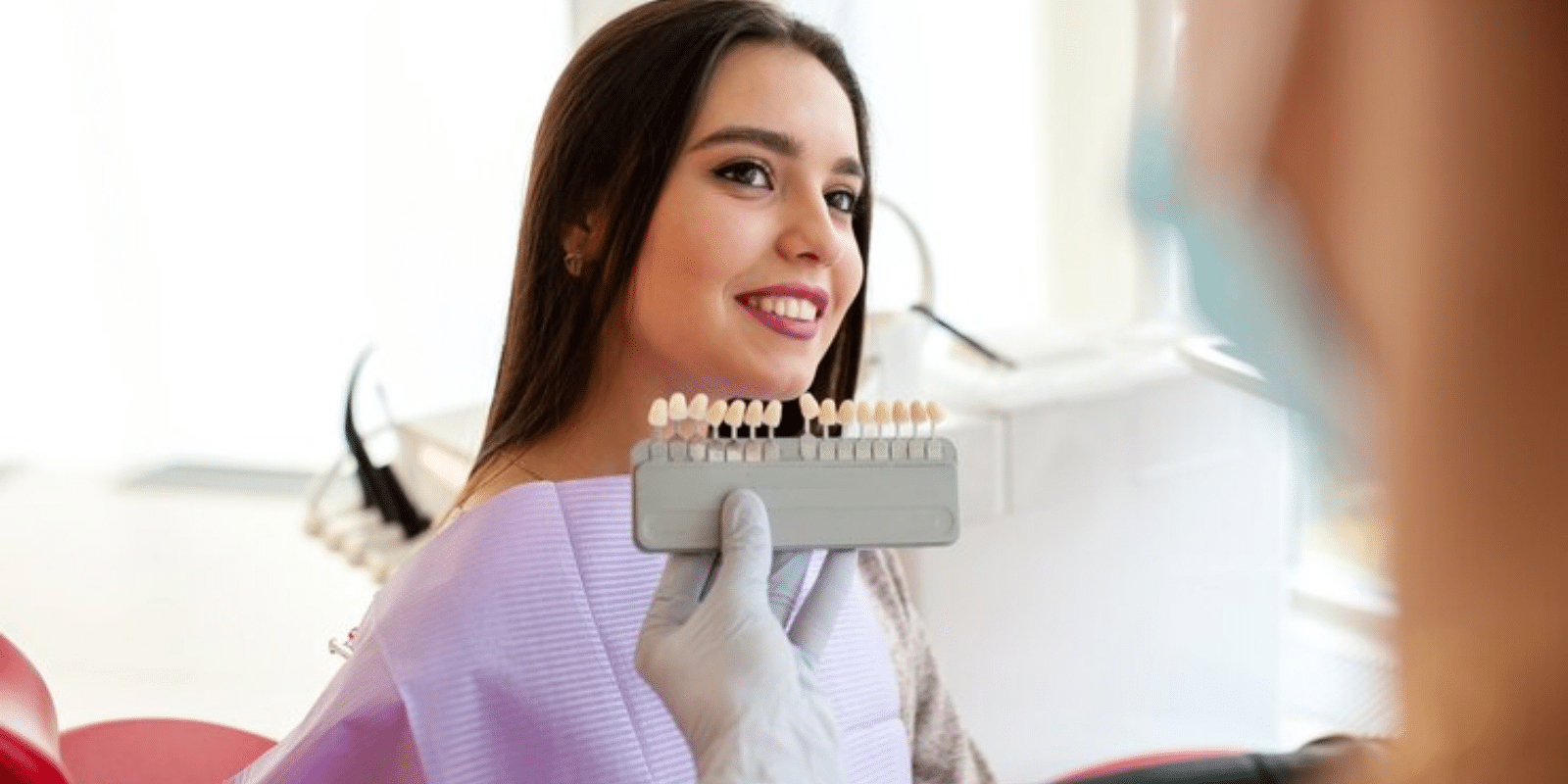
2. Discussion of Goals and Options: The consultation is an opportunity to discuss your aesthetic goals and expectations openly. The cosmetic dentist will listen to your desires for your smile and provide insights into how porcelain veneers can help you achieve those goals. They will also explain the various options, potential treatment plans, and alternatives, ensuring that you make an informed decision.
In determining candidacy for porcelain veneers in Chicago, IL, a holistic evaluation of factors like dental health, alignment, color, enamel condition, and aesthetic goals is essential. A consultation with a cosmetic dentist is the pivotal step to explore whether veneers align with your individual circumstances and smile aspirations.
FAQs: Porcelain Veneers Candidacy
Who is a good candidate for porcelain veneers?
People with healthy teeth and gums who want to improve issues like stains, chips, gaps, or uneven teeth are usually good candidates.
Do my teeth need to be healthy before getting veneers?
Yes, your teeth and gums should be free from decay or gum disease before getting veneers.
Can veneers fix crooked teeth?
Veneers can improve the look of slightly crooked teeth, but severe misalignment may need braces first.
Do I need enough natural tooth enamel for veneers?
Yes, enough healthy enamel is needed so the veneers can bond properly and stay strong.
Can I get veneers if I have missing teeth?
No, veneers are not used to replace missing teeth. Other treatments like implants or bridges may be needed.
Is teeth grinding a problem for veneers?
Yes, heavy teeth grinding can damage veneers, so your dentist may recommend a night guard or another option.
Will veneers work if I have yellow or stained teeth?
Yes, veneers are a great option for covering deep stains that whitening cannot fix.
Do I need realistic expectations before getting veneers?
Yes, veneers improve your smile’s appearance, but they do not make teeth perfect or fix all dental issues.
Can anyone get veneers quickly?
Not always. Your dentist will check your oral health first to make sure veneers are safe for you.
What happens if I am not a candidate for veneers?
Your dentist will suggest other treatments like whitening, bonding, braces, or crowns based on your needs.