
Does a Root Canal Really Hurt? What You’ll Actually Feel
If you’ve been told you need a root canal, your first question is probably about pain. Does a root canal really hurt? What you’ll actually feel in Chicago depends on several factors — but modern dentistry has changed things dramatically. Most patients are genuinely surprised by how manageable the experience is. Dr. Brandon Siaj at Wicker Park Dental Group wants you to have honest answers before you sit in the chair.
The fear around root canals is real, but it’s largely outdated. Today’s techniques, numbing agents, and sedation options make this procedure far more comfortable than its reputation suggests. Let’s walk through exactly what happens — before, during, and after — so you know what to expect.
Why Root Canals Got Such a Bad Reputation
Root canals became infamous decades ago when anesthesia was far less effective. Patients genuinely felt pain, and that fear got passed down through generations. Today, that story is mostly a myth built on old experiences.
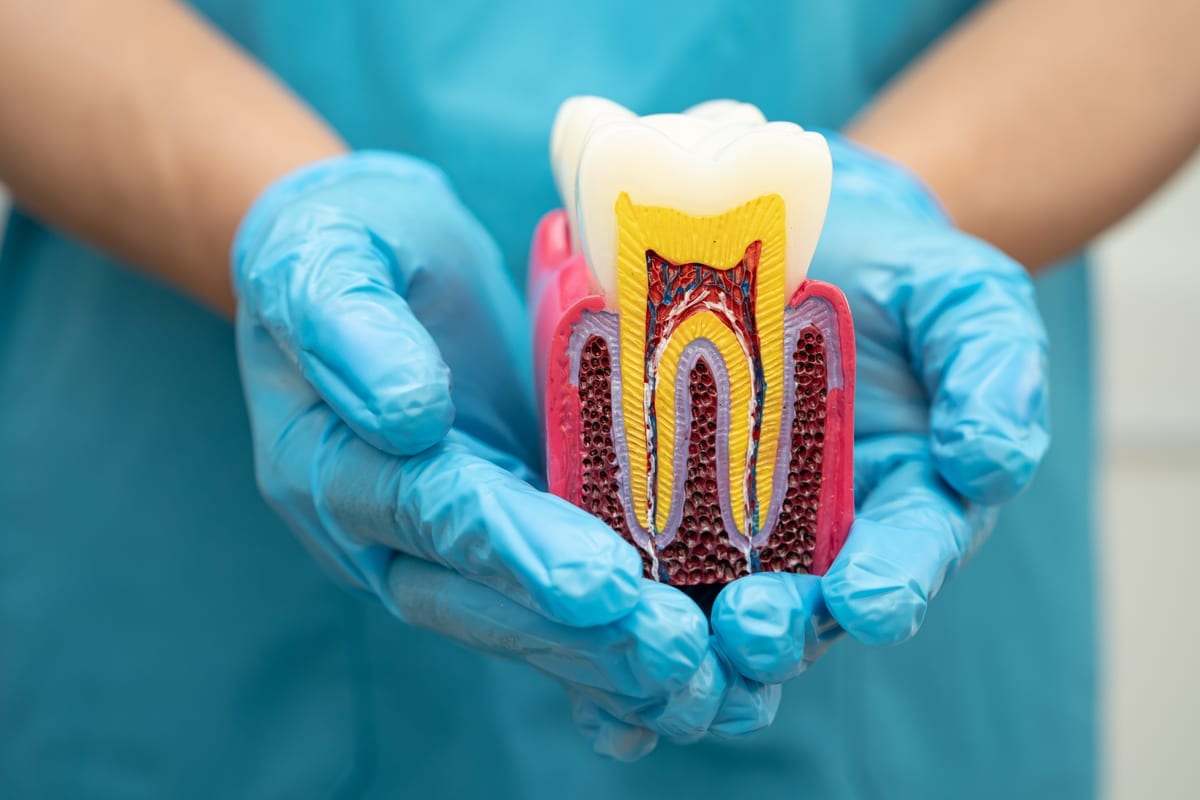
The truth is that the tooth infection itself causes the worst pain — not the procedure. By the time most patients need a root canal, they’re already dealing with significant discomfort. The root canal actually relieves that pain rather than creating it.
Understanding this distinction matters. You’re not walking into a painful procedure. You’re walking into the solution to pain you may already be feeling.
What You’ll Actually Feel During a Root Canal in Chicago
When you arrive at Wicker Park Dental Group, Dr. Siaj starts by thoroughly numbing the area. He uses a local anesthetic injected into the gum near the affected tooth. Most patients feel a brief pinch or pressure from the injection — and that’s typically the most uncomfortable moment.
Once the anesthetic takes effect, the tooth itself becomes completely numb. You should feel no sharp pain during the procedure. Some patients feel mild pressure or vibration from the dental instruments, but that’s very different from pain.
Here’s what most patients report feeling during treatment:
- A brief sting from the numbing injection
- Mild pressure as the dentist works inside the tooth
- Occasional vibration from cleaning instruments
- No sharp or shooting pain once anesthesia is active
If at any point you feel discomfort, you can signal Dr. Siaj immediately. More anesthetic can be applied as needed. Patient comfort is an active, ongoing priority throughout the appointment.
The Role of Sedation Dentistry in Managing Anxiety
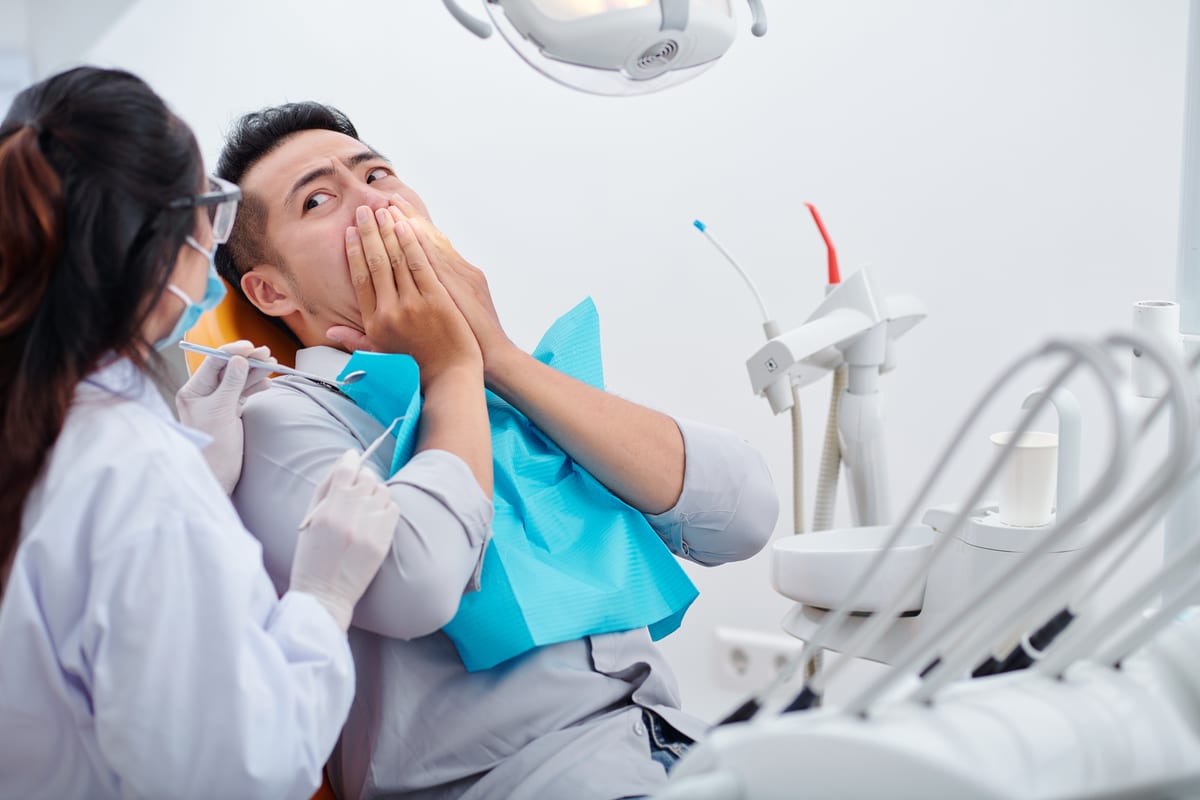
Some patients aren’t afraid of pain specifically — they’re afraid of the dental environment itself. Anxiety, past trauma, or a strong gag reflex can make any procedure feel overwhelming. That’s where sedation becomes a genuine game-changer.
Wicker Park Dental Group offers sedation options that help patients stay calm and relaxed throughout treatment. Sedation doesn’t mean you’re unconscious — it means you’re comfortable, at ease, and often have little memory of the procedure afterward.
For patients dealing with severe dental anxiety, sedation turns a dreaded appointment into a manageable one. You can discuss sedation options with Dr. Siaj during your consultation to find what’s right for your comfort level.
What to Expect After Your Root Canal: Recovery and Soreness
Here’s where honesty matters most. After the anesthesia wears off, some soreness is normal. The tissue around the treated tooth may feel tender for a few days. This is a natural healing response — not a sign something went wrong.
Most patients manage post-procedure discomfort with over-the-counter pain relievers like ibuprofen. The soreness typically peaks within 24–48 hours and then fades steadily. Many patients return to work or normal activities the very next day.
Here’s a general timeline of what recovery looks like:
- Day 1: Numbness fades; mild to moderate tenderness begins
- Days 2–3: Soreness is at its peak but manageable with medication
- Days 4–7: Tenderness gradually decreases each day
- Week 2 onward: Most patients feel fully back to normal
Avoid chewing hard foods on the treated side until your permanent crown is placed. Dr. Siaj will give you specific aftercare instructions tailored to your situation.
When to Call Your Dentist After a Root Canal
Most post-procedure soreness is completely normal. However, some symptoms do warrant a call to the office. Knowing the difference helps you recover confidently without unnecessary worry.
Contact Wicker Park Dental Group if you experience any of the following after your root canal:
- Severe pain that doesn’t improve after 3–4 days
- Swelling that gets worse instead of better
- A fever or signs of spreading infection
- The temporary crown or filling feels loose or falls out
- Pain that feels identical to what you felt before treatment
These symptoms could indicate a complication that needs prompt attention. If you’re ever unsure, it’s always better to call. For urgent concerns outside of business hours, Emergency Dentistry Chicago resources at Wicker Park Dental Group are available to help you.
Root Canals and Your Long-Term Smile Health
A root canal doesn’t just relieve pain — it saves a tooth that would otherwise need extraction. Keeping your natural tooth has real long-term benefits for your bite, jawbone, and overall oral health. Losing a tooth creates a chain of consequences that are often more complex and costly to address later.
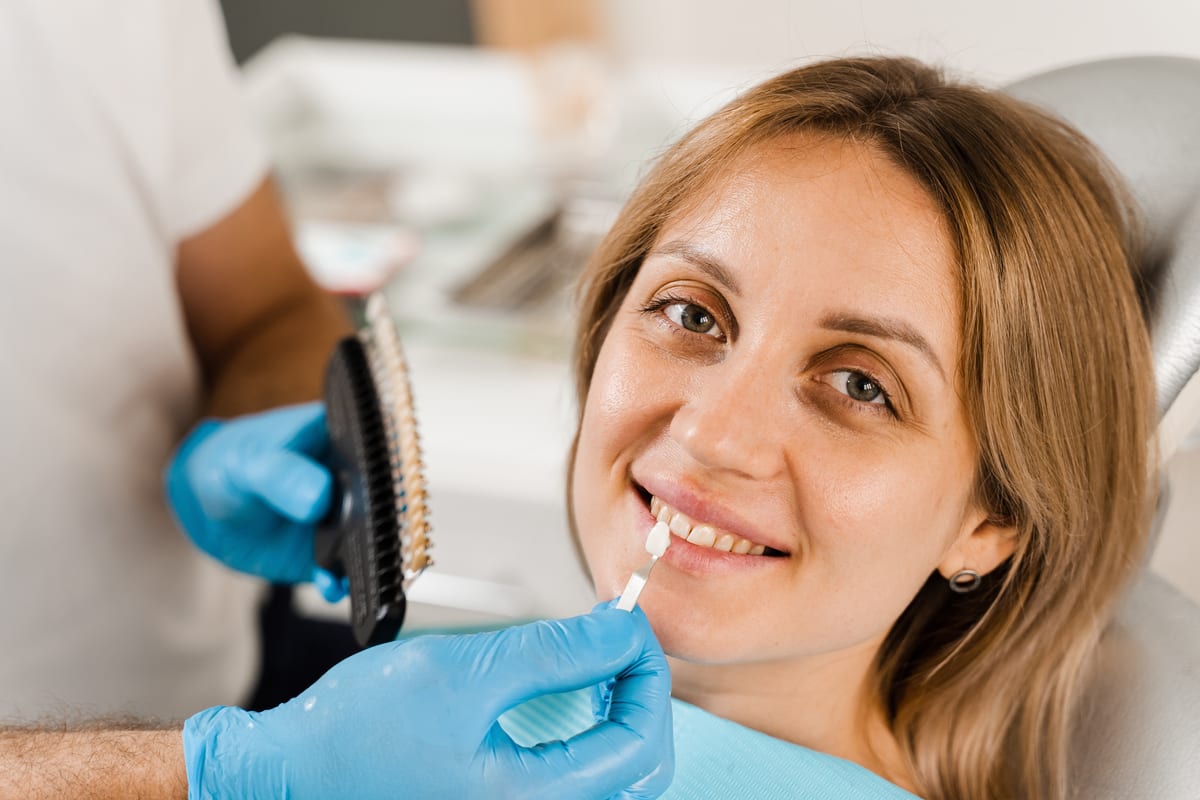
After your root canal, Dr. Siaj may recommend a crown to protect and restore the treated tooth. This is a common final step that strengthens the tooth and improves its appearance. If you’re also interested in how your smile looks overall, Cosmetic Dentistry Chicago options at Wicker Park Dental Group can help you achieve the results you want.
Saving your tooth today means fewer dental complications down the road. It’s one of the most valuable investments you can make in your long-term oral health.
Conclusion: Root Canals Are More Comfortable Than You Think
So does a root canal really hurt? What you’ll actually feel in Chicago — with the right dentist and modern techniques — is manageable, brief discomfort rather than the horror story you may have heard. The procedure itself is designed to end your pain, not create it. Dr. Brandon Siaj and the team at Wicker Park Dental Group prioritize your comfort at every step, from numbing to recovery guidance. Book Now to schedule your appointment with our team.
Frequently Asked Questions
Does a root canal hurt while it’s happening?
No — most patients feel little to no pain during the procedure itself. Dr. Siaj applies a local anesthetic that numbs the tooth completely before starting. You may feel mild pressure or vibration, but sharp pain is not expected. If you feel discomfort, more anesthetic can be added right away.
How long does soreness last after a root canal?
Post-procedure soreness typically lasts 2–4 days. It’s usually manageable with over-the-counter pain relievers like ibuprofen. Most patients return to normal activities within a day or two. Soreness that worsens after 4 days or doesn’t improve should be reported to your dentist.
Is sedation available for root canals at Wicker Park Dental Group?
Yes. Wicker Park Dental Group offers sedation dentistry for patients who experience anxiety or strong discomfort with dental procedures. Dr. Siaj can discuss which sedation option suits you best during your consultation. Sedation helps you stay relaxed and comfortable throughout the entire appointment.
Can I go to work after a root canal?
Many patients return to work the same day or the next day after a root canal. You may feel some tenderness and the numbness from anesthesia may linger for a few hours. It’s best to avoid strenuous activity on the day of treatment. Follow Dr. Siaj’s specific aftercare recommendations for the smoothest recovery.
What happens if I don’t get a root canal when I need one?
Avoiding a necessary root canal allows the infection to spread. This can lead to more severe pain, abscess formation, jawbone damage, or tooth loss. In some cases, an untreated dental infection can become a serious health concern. Treating the problem promptly with a root canal protects both your tooth and your overall health.