
Your Broken Tooth Survival Guide: What to Do Right Now
A broken tooth can happen in an instant — a bite of hard candy, a sports collision, or an accidental fall. If you’re searching for your broken tooth survival guide: what to do right now in Chicago, you’ve come to the right place. Dr. Brandon Siaj and the team at Wicker Park Dental Group want to help you stay calm and take the right steps. Acting quickly and wisely makes a real difference in your outcome.
Step One: Assess the Damage Right Away
Not every broken tooth looks the same. A small chip on the edge of a front tooth feels very different from a deep crack running toward the root. Your first job is to look carefully — and stay calm. Rinse your mouth gently with warm water to clear away any debris or blood.
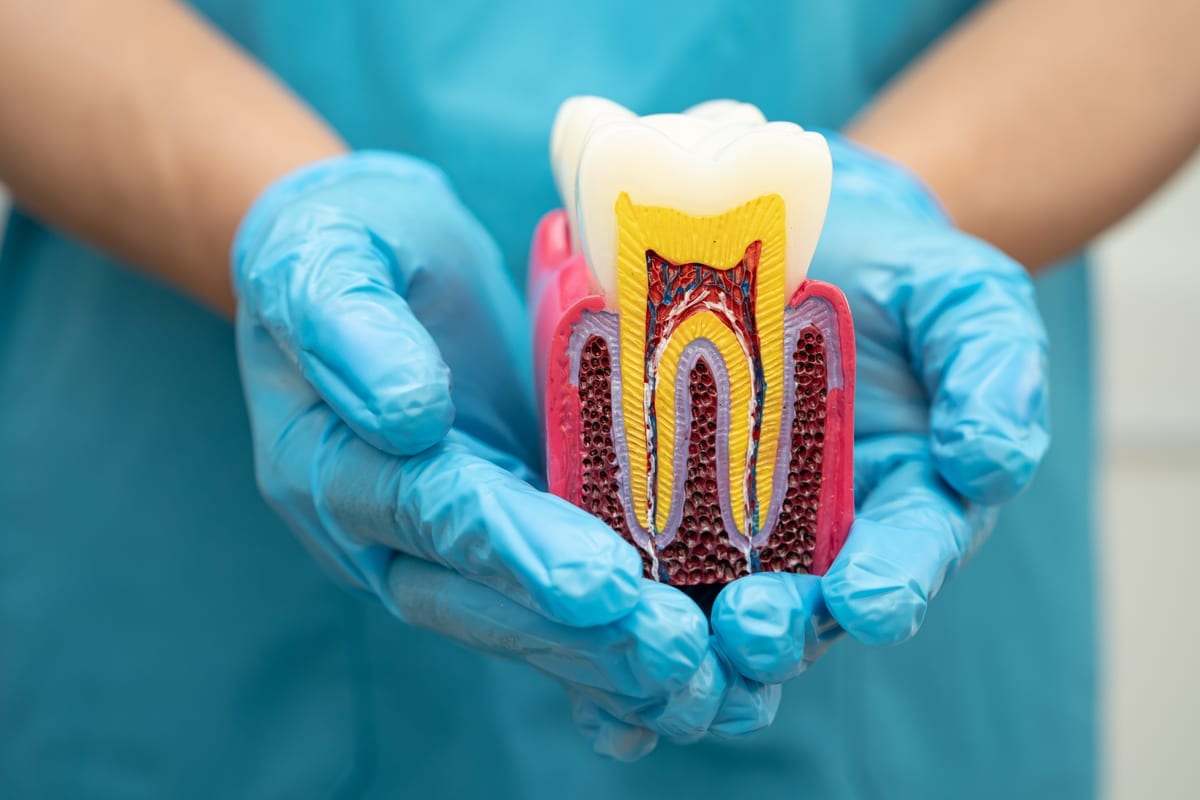
Check whether the break is minor or severe. A tiny chip may cause little pain. A larger break often exposes the inner dentin layer, which is sensitive to temperature and pressure. If the tooth is completely knocked out or broken at the gumline, that is a dental emergency requiring immediate attention.
Touch the area gently with your tongue. Notice whether there are sharp edges that could cut your cheek or tongue. If so, cover the edge with a small piece of dental wax or sugar-free gum. This protects soft tissue until you reach the dentist.
What to Do Before You Reach Your Chicago Dentist
These first-aid steps can protect your tooth and reduce discomfort before your appointment. Follow them carefully and avoid improvising beyond these basics.
- Rinse gently with warm water — never hot or ice cold.
- Apply gentle pressure with clean gauze if there is any bleeding.
- Use over-the-counter pain relief like ibuprofen or acetaminophen as directed on the label.
- Apply a cold compress to your cheek to reduce swelling — never directly on the tooth.
- Save any broken pieces in a small container of milk or saliva.
- Avoid chewing on the affected side entirely.
- Cover sharp edges with dental wax available at most Chicago pharmacies.
Do not delay calling your dentist. Even if the pain seems manageable, a crack can worsen rapidly. The sooner Dr. Siaj evaluates the tooth, the more options you have for saving it.
What to Avoid After Breaking a Tooth
Some common instincts can actually make things worse. Knowing what to avoid is just as important as knowing what to do. This section of your broken tooth survival guide covers the most frequent mistakes Chicago patients make.
Avoid placing aspirin directly on the tooth or gum. This is a widespread myth that can chemically burn soft tissue. Pain relief medication should always be swallowed — never applied topically to dental tissue.
Do not attempt to glue the tooth back together with super glue or household adhesives. These products are not safe for oral use. They can trap bacteria inside the crack and cause serious infection.
- Do not eat hard, crunchy, or chewy foods on the broken side.
- Do not drink very hot or very cold beverages — temperature sensitivity is heightened.
- Do not probe the crack or chip with your fingernail or a toothpick.
- Do not wait days to call a dentist — delay can turn a simple repair into a complex one.
Skipping these mistakes keeps the tooth stable and gives your dentist the best chance to restore it fully.
When Is a Broken Tooth a True Dental Emergency in Chicago?
Some broken teeth need same-day care. Knowing the warning signs helps you decide how urgently to act. If you experience any of the following, contact a provider of Emergency Dentistry Chicago immediately.
Seek urgent dental care if you notice severe, throbbing pain that does not ease with over-the-counter medication. Significant bleeding that does not stop after ten minutes of pressure is another red flag. Swelling in the jaw, face, or neck suggests possible infection — which can escalate quickly.
A tooth that is completely displaced or knocked out has the best chance of survival if you act within 30 to 60 minutes. Keep it moist in milk or saliva. Do not scrub the root. Place it back in the socket gently if possible — or bring it with you to your appointment.
Cracks that extend below the gumline often require more involved treatment. Dr. Siaj will take X-rays to evaluate the full extent of the damage and recommend the most conservative effective solution.
Treatment Options for a Broken Tooth at Wicker Park Dental Group
Once you arrive at our Chicago office, Dr. Siaj will conduct a thorough examination. Treatment depends on the size, location, and depth of the break. Most broken teeth can be repaired beautifully — restoring both function and appearance.
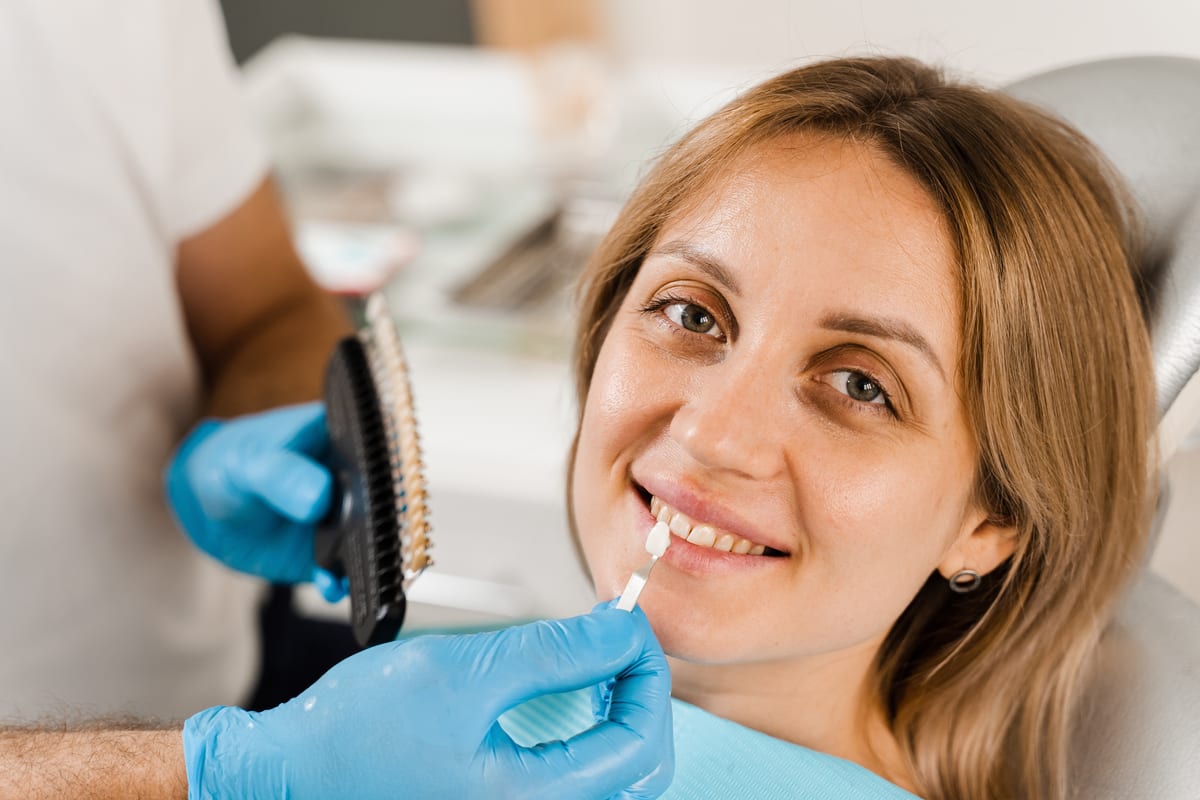
Minor chips are often smoothed or repaired with tooth-colored composite bonding in a single visit. Medium breaks may require a dental crown to protect and strengthen the remaining structure. Severely damaged teeth might need a root canal before a crown is placed.
If a tooth is beyond saving, dental implants offer a permanent and natural-looking replacement. For patients concerned about the cosmetic result, our team also offers Cosmetic Dentistry Chicago solutions — including veneers — to restore your smile completely. Every treatment plan is customized to your specific situation and comfort level.
Conclusion: You Do Not Have to Handle This Alone
A broken tooth is stressful, but you have options — and you have a team ready to help. Following this guide helps you protect the tooth and stay comfortable until Dr. Siaj can see you. Wicker Park Dental Group serves patients across Chicago with compassionate, expert care. Book Now to schedule your appointment with our team.
Frequently Asked Questions
Can a broken tooth heal on its own?
No, teeth cannot heal themselves. Unlike bone, tooth enamel does not regenerate. A chip or crack will not close or repair without professional treatment. Leaving it untreated allows bacteria to enter and increases the risk of infection or deeper damage.
How much pain is normal after breaking a tooth?
Mild to moderate sensitivity or soreness is common after a break. Sharp, throbbing, or persistent pain — especially with swelling — suggests the nerve may be involved. In that case, you should contact Dr. Siaj or seek emergency dental care as soon as possible.
What if I break a tooth over the weekend or at night in Chicago?
Dental emergencies do not follow business hours. Wicker Park Dental Group accommodates urgent situations — contact the office directly for guidance. In the meantime, follow the first-aid steps in this guide to keep the tooth protected and manage discomfort safely.
Will I need a root canal for a broken tooth?
Not always. A root canal is only necessary when the break reaches the inner pulp of the tooth — the part containing nerves and blood vessels. Many broken teeth are treated successfully with bonding or a crown. Dr. Siaj will take X-rays and explain exactly what your tooth needs before any treatment begins.
How do I prevent breaking a tooth in the future?
Wear a custom-fitted mouthguard during contact sports. Avoid chewing ice, hard candies, or using your teeth as tools. Keep up with regular cleanings and checkups at Wicker Park Dental Group — catching weakened teeth early prevents unexpected breaks later.