
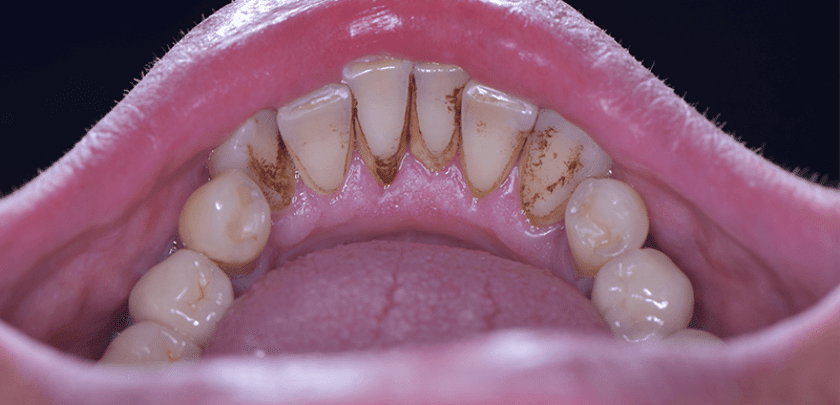
Coffee is one of the most popular beverages worldwide, loved by millions for its rich flavor and energizing effects. However, one common downside to consuming coffee is the potential for staining teeth. Over time, the dark pigments in coffee can adhere to the enamel of your teeth, leading to unsightly discoloration. Fortunately, there are several effective methods for removing coffee stains from your teeth and restoring their natural whiteness. In this article, we’ll explore some of the most popular and proven techniques for combating coffee stains.
Regular Brushing and Flossing
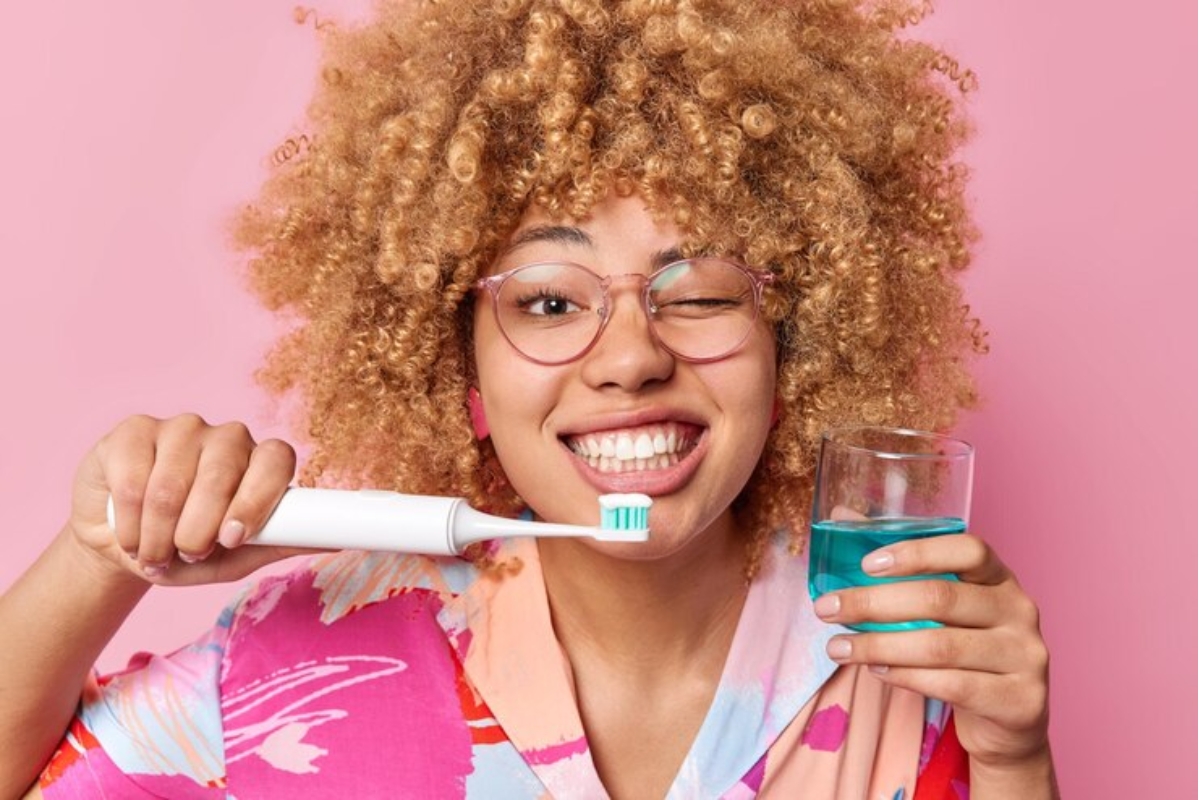
The simplest and most important step in preventing and removing coffee stains is to maintain good oral hygiene habits. Brushing your teeth at least twice a day and flossing daily helps to remove surface stains and prevent them from becoming deeply embedded in the enamel. Use fluoride toothpaste and a soft-bristled toothbrush to gently scrub away coffee residue from the surface of your teeth.
Whitening Toothpaste
Whitening toothpaste contains abrasive particles and chemical agents that help to remove surface stains and lighten the color of your teeth. Look for toothpaste specifically formulated for whitening and use it regularly to gradually reduce coffee stains and brighten your smile. However, be cautious not to overuse whitening toothpaste, as excessive abrasion can damage tooth enamel and cause sensitivity.
Professional Dental Cleaning
If coffee stains have already accumulated on your teeth and are resistant to at-home treatments, consider scheduling a professional dental cleaning with your dentist or dental hygienist. During a dental cleaning, stubborn stains can be removed using specialized tools and techniques that are not available for home use. Professional cleanings also help to remove plaque and tartar buildup, which can contribute to staining and discoloration.
Whitening Strips or Trays
Over-the-counter whitening strips and trays are convenient and affordable options for removing coffee stains at home. These products typically contain hydrogen peroxide or carbamide peroxide, which penetrates the enamel and breaks down stains on the surface and within the tooth. Follow the instructions provided with the whitening strips or trays carefully to achieve optimal results without damaging your teeth or gums.
Whitening Mouthwash
Whitening mouthwash can be used as a supplementary treatment to help maintain a bright smile and prevent new stains from forming. Choose a mouthwash that contains hydrogen peroxide or other whitening agents, and use it daily after brushing and flossing. Swish the mouthwash around in your mouth for the recommended amount of time to allow the whitening ingredients to take effect.
Professional Teeth Whitening Treatment
For more stubborn or severe coffee stains, professional teeth whitening treatment performed by a dentist may be necessary. Professional whitening treatments use stronger whitening agents and specialized equipment to achieve dramatic results in a shorter amount of time compared to over-the-counter products. Your dentist can customize the treatment to suit your individual needs and desired level of whitening.
- Dietary Modifications: In addition to external treatments, making changes to your diet can help prevent future coffee stains and maintain a whiter smile. Limit your consumption of coffee and other dark-colored beverages such as tea, red wine, and cola, which can contribute to staining. Drink plenty of water after consuming staining beverages to help rinse away residue and minimize contact with your teeth.
- Use a Straw: When drinking coffee or other staining beverages, consider using a straw to minimize contact with your teeth. Sipping through a straw allows the liquid to bypass the front surfaces of your teeth, reducing the risk of staining. Opt for reusable or biodegradable straws to minimize environmental impact.
- Chew Sugar-Free Gum: Chewing sugar-free gum after consuming coffee can help stimulate saliva production, which aids in washing away food particles and neutralizing acids that can contribute to staining. Look for gum containing xylitol, a natural sweetener that has been shown to have dental benefits such as reducing plaque and preventing tooth decay.
- Quit Smoking: Smoking is not only harmful to your overall health but also a major contributor to tooth discoloration. The tar and nicotine in tobacco products can leave stubborn stains on teeth that are difficult to remove with conventional methods. Quitting smoking is one of the best things you can do for your oral health and overall well-being.
While coffee stains on teeth can be stubborn and unsightly, there are numerous effective methods for removing them and restoring a bright, white smile. By incorporating regular brushing and flossing, using whitening products, practicing good oral hygiene habits, and making lifestyle changes such as reducing coffee consumption and quitting smoking, you can minimize the impact of coffee stains and maintain a radiant smile for years to come. If you’re unsure which method is best for you, consult with your dentist for personalized recommendations and professional guidance.