
If you’re someone who experiences anxiety or fear about dental procedures, you’re not alone. Many individuals struggle with these feelings and as a result, put off important dental work. That’s where sedation dentistry comes in – it can provide a solution for those who need extra help feeling calm and comfortable during their appointments. In this article, we’ll be diving into the various types of sedation dentistry available and examining the factors that may influence which option is right for you.
Before we get started discussing the different options out there, let’s first take a look at what exactly sedation dentistry entails. Essentially, it involves administering medication to help patients relax during their dental procedures. The level of sedation can vary – from mild relaxation to deep sleep – depending on the patient’s needs and preferences. Now that we have an understanding of what sedation dentistry is all about, let’s move on to exploring the specific types available!
Types Of Sedation Dentists
When it comes to dental procedures, sedation dentistry can help alleviate anxiety and discomfort. There are different types of sedation dentistry available depending on the level of anxiety or fear a patient may have.
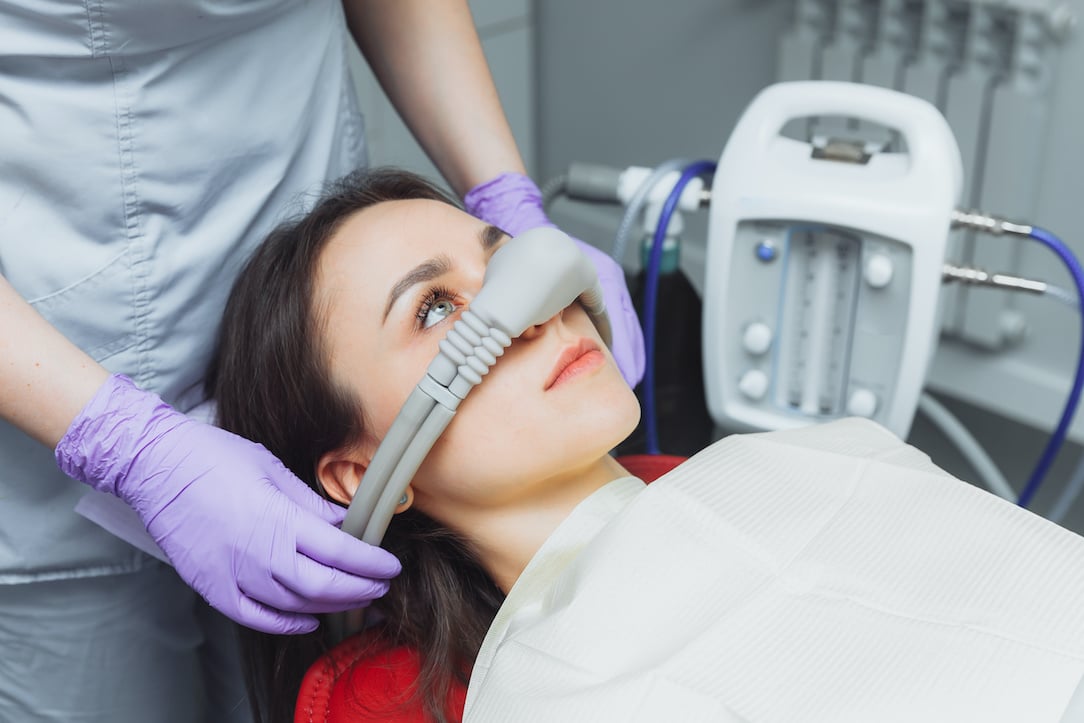
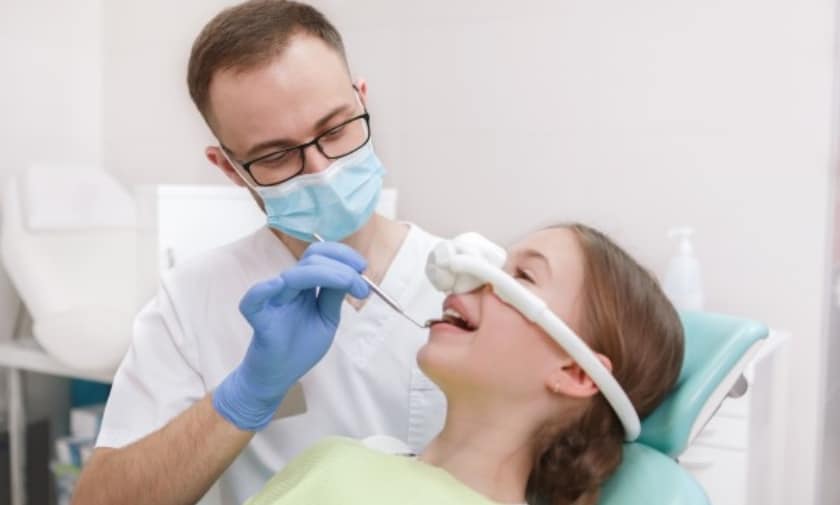
- Nitrous oxide, also known as laughing gas, is a mild form of sedation that helps patients relax during the procedure. It is administered through a mask placed over the nose and takes effect within minutes. Patients remain fully conscious but less anxious.
- Patients can take oral sedatives in the form of pills or liquids before the dental procedure to induce drowsiness and lower anxiety levels. This active sentence highlights the fact that patients can take oral sedatives to help manage their anxiety before a dental procedure. The effects last longer than nitrous oxide and patients may not remember much about the procedure.
- Intravenous (IV) sedation involves administering medication through an IV line to induce moderate to deep levels of relaxation. This type of sedation allows for complete comfort during more complex procedures like oral surgery.
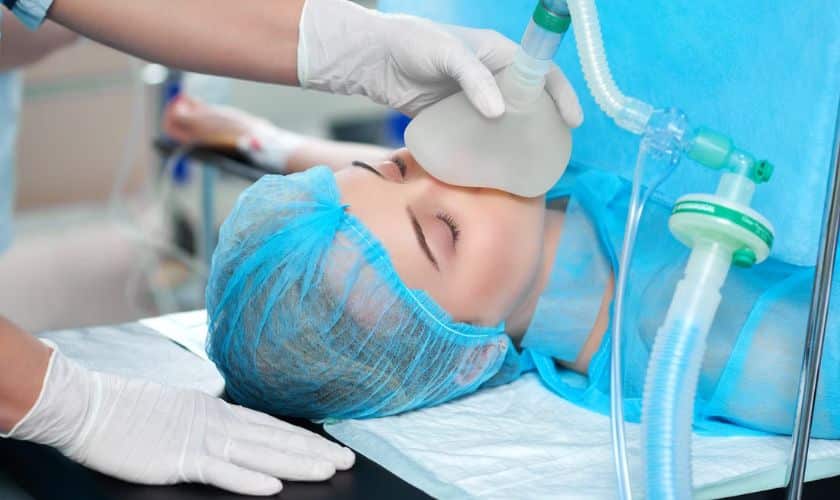
- General anesthesia involves putting patients into a deep sleep where they are unconscious throughout the entire procedure. This type of sedation requires careful monitoring by a dental anesthesiologist or trained staff members.
The type of sedation chosen will depend on various factors including medical history, level of anxiety, the complexity of the procedure, age, and overall health condition. Discussing these with your dentist beforehand will ensure you receive appropriate treatment suitable for your individual needs.
Factors That Influence The Choice Of Sedation Dentistry
When considering sedation dentistry, there are several factors that come into play when choosing the right type of sedation for a patient’s dental procedure. Firstly, the level of anxiety or fear a patient experiences before and during their appointment can determine which form of sedation is most appropriate.
- The type and duration of the dental procedure itself also play a crucial role in deciding which sedation method to use. For instance, if it’s just a routine cleaning or check-up, mild forms of oral sedatives may be enough to calm the nerves. However, more invasive procedures like tooth extractions or root canals may require deeper levels of conscious sedation via IV.
- Another factor to consider is any pre-existing medical conditions that patients have as some types of anesthesia might not be suitable for certain individuals with specific health issues.
- Cost is another consideration when selecting the right form of dental sedation since different methods entail varying degrees and therefore prices. Patients should consult with their dentist about insurance coverage options available for each choice.
Ultimately, choosing what kind of dental anesthesia best suits an individual depends on many factors unique to them such as medical history and personal preferences. By discussing these points with your dentist beforehand you will ensure your experience is comfortable while minimizing feelings associated with stress around dental visits!
Different Types Of Sedation Dentistry For Dental Procedures
Different types of sedation dentists are available for dental procedures, depending on the level of anxiety or discomfort a patient experiences. Nitrous oxide is one common form of dental sedation, often referred to as “laughing gas.” It’s administered through a small mask that fits over your nose and doesn’t require any needles.
- Oral conscious sedation involves taking oral medication before the procedure to reduce anxiety levels and make patients feel more relaxed. The effects can range from mild relaxation to moderate sedation, depending on the dose given.
- Intravenous (IV) sedation is another option for dental procedures that require administering medication directly into a patient’s bloodstream through an IV line. This type of sedation allows for deeper levels of relaxation and can be adjusted throughout the procedure if needed.
- General anesthesia may also be used in some cases where patients need extensive work done, such as multiple extractions or implant surgeries. With general anesthesia, patients are completely unconscious during their procedure.
Prior to any dental procedure, it is crucial to have a discussion with your dentist or oral surgeon to explore your options and determine the most suitable type of sedation based on your unique needs and medical history. This active sentence emphasizes the importance of consulting with a dental professional to ensure safe and effective sedation during dental procedures.
Sedation dentistry is a safe and effective way to ease dental anxiety and fear during procedures. Whether you choose nitrous oxide, oral sedation, or IV sedation, it’s important to discuss your options with your dentist before deciding on the best choice for you. Factors such as the type of procedure, your medical history, and personal preferences will all play a role in determining which method of sedation dentistry is right for you. So take that first step towards achieving optimal oral health by discussing your options for sedation dentistry with your dentist today!