
Quick Summary:
This blog explains why drinks like coffee, wine, and soda stain your teeth even if you brush regularly. It breaks down how staining actually happens, what daily habits make it worse, and what you can do to slow it down. You will also learn how lifestyle in Chicago plays a role, when stains become harder to remove, and how whitening treatments can help maintain a brighter smile over time.
If you feel like your teeth are getting darker even though you brush daily, you are not imagining it. Teeth staining is one of the most common concerns people have today, especially for adults.
In cities like Chicago, daily routines often include multiple cups of coffee, quick lunches with soda, and social evenings that may involve wine. These habits build up slowly over time. You may not notice changes week to week, but after a few months or years, the difference becomes clear.
Another factor is age. As you grow older, the outer layer of your teeth, called enamel, naturally becomes thinner. When that happens, the inner layer, which is more yellow in color, becomes more visible. This makes stains appear more noticeable even if your habits have not changed much.
What Actually Causes Stains on Teeth
To understand how to avoid stains, it helps to know what is happening on the surface of your teeth.
Your enamel may look smooth, but under a microscope, it has tiny pores. These pores can absorb pigments from food and drinks. When you regularly consume dark or acidic beverages, those pigments settle into the enamel and stay there.
There are two main types of stains. Surface stains sit on the outer layer and can sometimes be reduced with brushing or cleaning. Deeper stains go below the surface and are harder to remove without professional help.
Acidic drinks also play a role by softening enamel. When enamel becomes slightly rough, it holds onto pigments more easily. This is why staining often becomes more noticeable over time instead of all at once.
How Coffee, Wine, and Soda Affect Your Teeth Differently
Each of these drinks affects your teeth in its own way, which is why combining them in your daily routine can increase staining.
Coffee is one of the biggest causes of staining. It contains compounds that stick to enamel and leave behind a yellow or brown tint. Drinking it slowly throughout the day increases exposure, making staining more likely.
Red wine contains strong color pigments along with tannins. Tannins help those pigments attach more firmly to your teeth. That is why even a single evening of wine can sometimes leave a visible effect.
Soda, especially darker varieties, combines color with high acidity. The acid weakens enamel, while the color adds staining. Even clear sodas can damage enamel, making it easier for stains from other foods to settle in later.
Many people do not realize that switching between these drinks throughout the day can make staining worse because your teeth are constantly exposed to both acid and pigment.
Why Brushing Alone Does Not Fully Prevent Stains
Brushing is important, but it has limits. It mainly removes food particles and some surface stains. It does not stop pigments from entering the enamel.
Timing also matters. Brushing right after drinking coffee or soda can do more harm than good. At that moment, your enamel is softer because of acid exposure. Brushing too soon can wear it down slightly, making teeth more vulnerable to future stains.
A better approach is to rinse your mouth with water and wait before brushing. This gives your enamel time to recover and reduces the risk of damage.
Daily Habits That Can Help You Reduce Staining
Small changes in your routine can make a noticeable difference over time.
Drinking water after coffee or wine helps wash away pigments before they settle. It also balances the acidity in your mouth.
Using a straw for cold drinks like soda reduces direct contact with your front teeth, which are the most visible when you smile.
Limiting how long you sip your drink also helps. Finishing your drink in one sitting instead of taking small sips for hours reduces the total exposure time.
Keeping up with regular brushing and flossing ensures that plaque does not build up, because plaque can hold onto stains and make discoloration worse.
These habits do not remove stains completely, but they slow down the process and help maintain a cleaner look.
I am a very hesitant person when it comes to dentistry I have had very very difficult situations but coming to wicker park dental was definitely a game changer DR Gopisetty and DR Raj and there team of assistants understood my situation and the horrors I faced befor they worked with me through my difficult ordeals they were gentle with me and definitely understanding to my every concern any and every issue was addressed I was definitely impressed and appreciated towards them for the white glove treatment I received I will and have recommended them to friends and family and co-workers 🏆 – F Lopez
You can always check our real patient reviews on Google to get a clear idea of the care and service we provide.
How Chicago Lifestyle Can Influence Teeth Staining
Life in Chicago naturally includes habits that can affect your teeth.
Cold winters often lead to more hot drinks like coffee and tea. At the same time, indoor heating can cause dry mouth. Saliva plays an important role in cleaning your teeth naturally, so less saliva means less protection against stains.
Busy work schedules can also lead to frequent coffee breaks or quick meals with soda. These repeated exposures throughout the day increase the chances of staining.
Social life also plays a role. Dining out, trying different cuisines, and enjoying drinks with friends are all part of city life. While these are enjoyable, they can contribute to gradual discoloration if not balanced with proper care.
Understanding how your environment affects your habits helps you make better choices without giving up the things you enjoy.
When Stains Become Harder to Remove
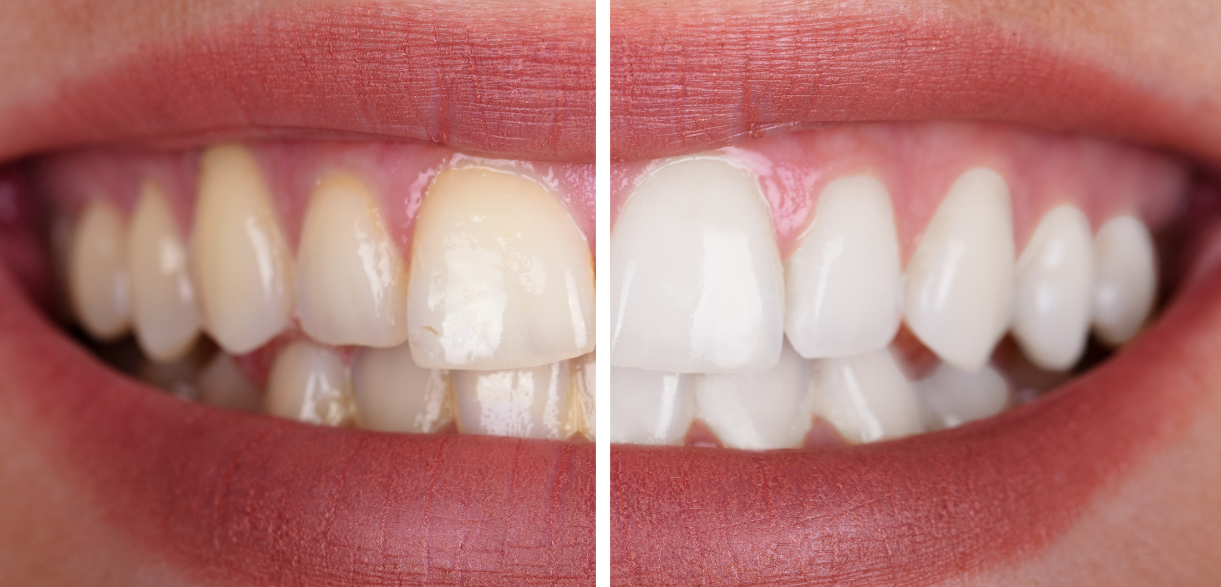
At first, stains may appear as a light yellow shade. Over time, they can become darker and more noticeable, especially near the edges of teeth or between them.
Once stains move below the surface, they cannot be removed with regular brushing alone. This is when people often feel like their teeth look dull no matter how well they clean them.
This stage can also affect confidence. Many people start to notice their smile in photos or during conversations and feel that their teeth do not look as clean as they should.
How Whitening Treatments Help Restore Your Smile
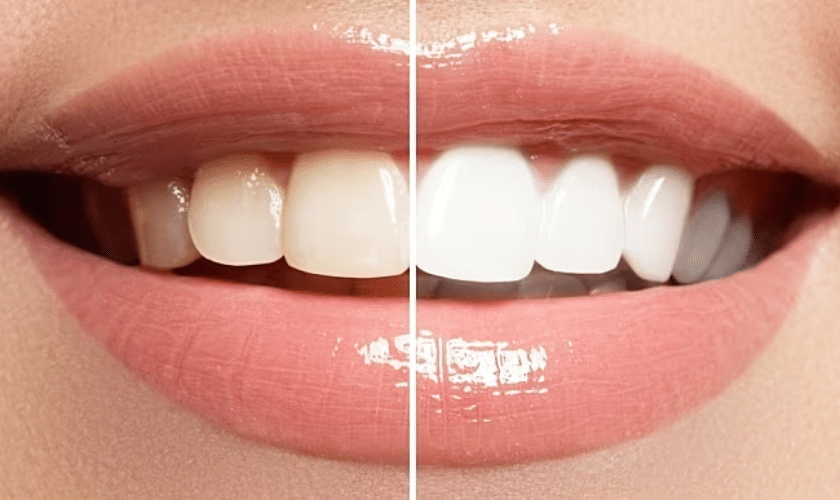
Whitening treatments are designed to break down deeper stains that brushing cannot reach. They work by lifting discoloration from within the enamel, helping your teeth look brighter.
In the middle of maintaining daily habits, some patients choose touch-up whitening treatments to keep their smile consistent over time. These touch-ups help manage new stains before they become too noticeable.
Whitening does not prevent future staining, but it gives you a fresh starting point. When combined with better habits, it becomes easier to maintain results for longer periods.
Finding the Right Balance Between Habits and Care
You do not have to give up coffee, wine, or soda completely. The goal is to manage how often and how long your teeth are exposed to them.
Being aware of your habits helps you make small adjustments that protect your teeth. Regular dental visits also play an important role because professional cleanings remove buildup that daily brushing may miss.
Balancing enjoyment and care is what keeps your smile looking natural and healthy over time.
A Local Option to Consider
If you are noticing stains that do not improve with regular care, Wicker Park Dental Group provides options for patients in Chicago who want to improve their smile and maintain brightness with professional whitening treatments.
Final Thoughts
Stains from coffee, wine, and soda are a common part of modern life, especially in a busy city. While they can affect how your teeth look, they are manageable with the right approach.
Understanding how stains form, adjusting your daily habits, and knowing when to consider whitening can help you stay in control of your smile. Small changes over time can make a big difference in how your teeth look and how confident you feel.
FAQs: Teeth Stains and Whitening
How can I drink coffee without staining my teeth?
Drink it in one sitting, rinse with water after, and avoid sipping it for long periods.
What is the main reason teeth turn yellow over time?
Stains from food and drinks, along with natural enamel thinning, make teeth appear more yellow.
How do I know if my stains are permanent?
If brushing does not improve the color, the stains may be deeper and need whitening.
Can whitening damage my teeth?
When done properly, it is safe and does not harm enamel.
How long do whitening results usually last?
It depends on your habits, but regular care and occasional touch-ups can maintain results.