
A smile is one of the first things people notice about you, and it can leave a lasting impression. However, dental imperfections such as chips, cracks, or gaps between teeth can make you feel self-conscious when smiling. Luckily, porcelain veneers provide a solution to these problems by giving you a perfect set of pearly whites! In this blog post, we will explain what porcelain veneers are and how they can fix your dental imperfections. Plus, we’ll provide tips on how to choose the right type of porcelain veneer for you and what to expect during and after the procedure. So sit back and get ready to discover how porcelain veneers can transform your smile!
What are Porcelain Veneers?
- Porcelain veneers are thin shells made of medical-grade ceramic materials that are custom-made to fit over the front surface of your teeth. They can be used to correct various dental imperfections such as chips, cracks, gaps between teeth, and discolouration.
- Unlike other types of dental restorations, porcelain veneers offer a natural-looking solution that mimics the appearance of natural teeth. This is because they can be colour-matched to your surrounding teeth and are translucent like enamel.
- The process for getting porcelain veneers usually involves two appointments with your dentist. During the first appointment, your dentist will prepare your tooth by removing a small amount of enamel from its surface. Then an impression will be taken to create a mould for crafting the veneer.
- Once the porcelain veneers have been created in a lab, you’ll return for another appointment where they will be bonded onto your teeth using special cement and ultraviolet light.
- Porcelain veneers provide an effective way to improve not just the look but also the function of damaged or discoloured teeth with minimal invasion on healthy tooth structure.
Types of Dental Imperfections that can be Fixed with Porcelain Veneers
- Porcelain veneers are a popular cosmetic dentistry treatment that can effectively address a variety of dental imperfections. These thin, custom-made shells are placed on the front surface of teeth to improve their appearance and create a more attractive smile.
- One type of dental imperfection that porcelain veneers can fix is discolouration or staining. Whether caused by genetics, medication, or lifestyle factors such as coffee or tobacco use, yellowed or discoloured teeth can be made bright and white with porcelain veneers.
- Another common issue that porcelain veneers can address is chipped or broken teeth. Veneers can cover up these unsightly chips and restore the natural appearance of your teeth.
- Veneers can also help close gaps between teeth for those who have spacing issues. Additionally, they may be used to lengthen worn-down teeth and reshape irregularly shaped ones.
- Porcelain veneers offer an effective solution for people who suffer from misaligned or crooked teeth but don’t want braces. They won’t correct severe cases but will deliver a noticeable improvement in alignment without the need for orthodontic work.
- Porcelain veneers provide individuals with an excellent option to treat many different types of dental imperfections at once while offering long-lasting results.
How to Choose the Right Porcelain Veneer for You
- Porcelain veneers are a great solution for dental imperfections, but choosing the right one can be overwhelming. The first step is to find a qualified cosmetic dentist who specializes in porcelain veneers and schedule an appointment.
- During your consultation, your dentist will evaluate the condition of your teeth and recommend the best type of porcelain veneer for you. There are two main types: traditional and no-prep veneers.
- Traditional porcelain veneers require removing some of the natural tooth enamel to make room for the new veneer. No-prep veneers, on the other hand, don’t require any removal of tooth structure before placement.
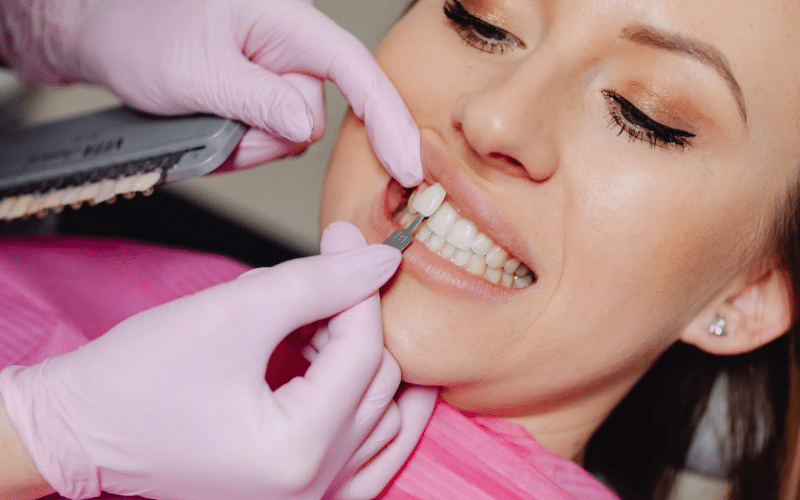
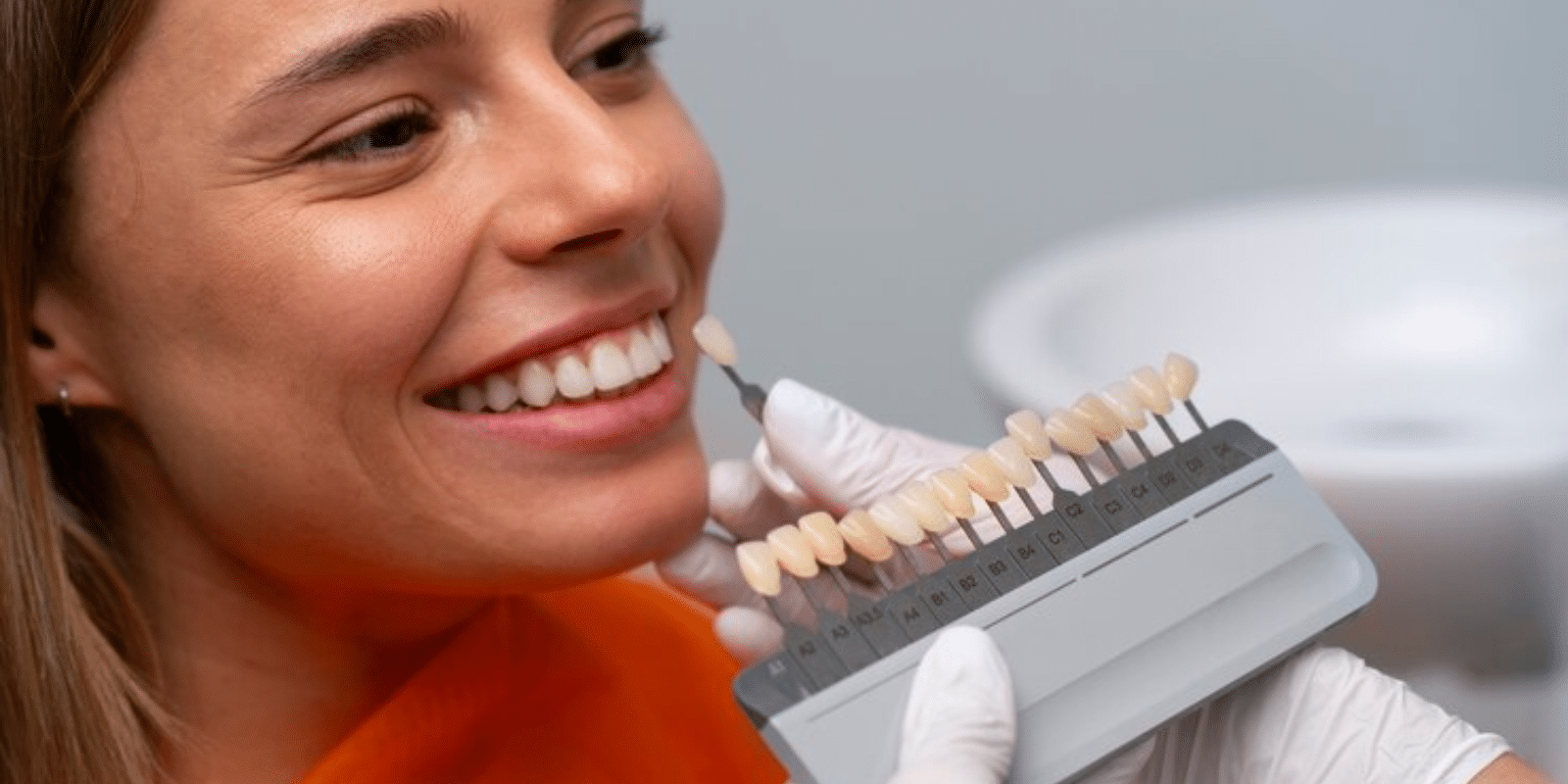
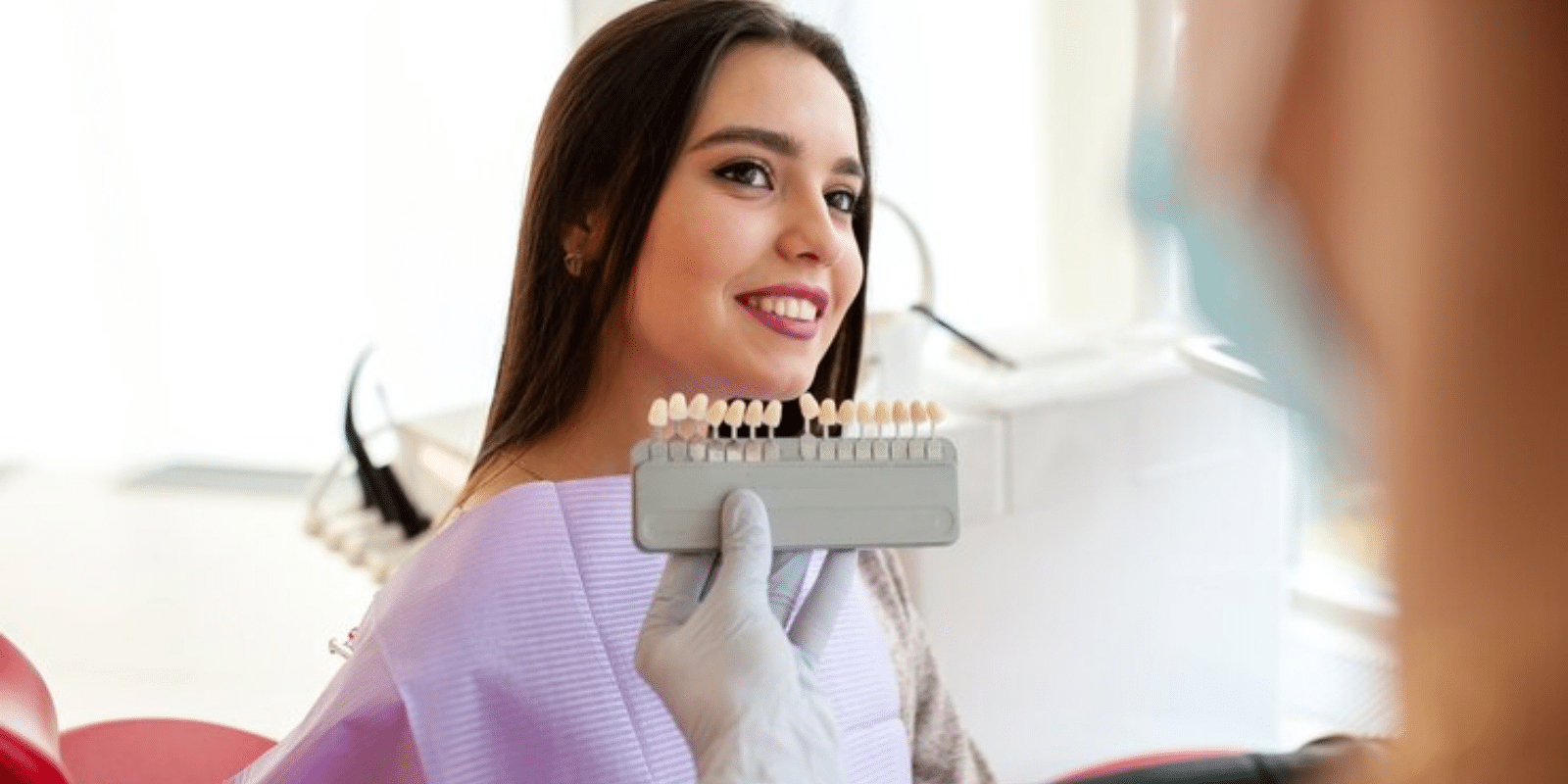
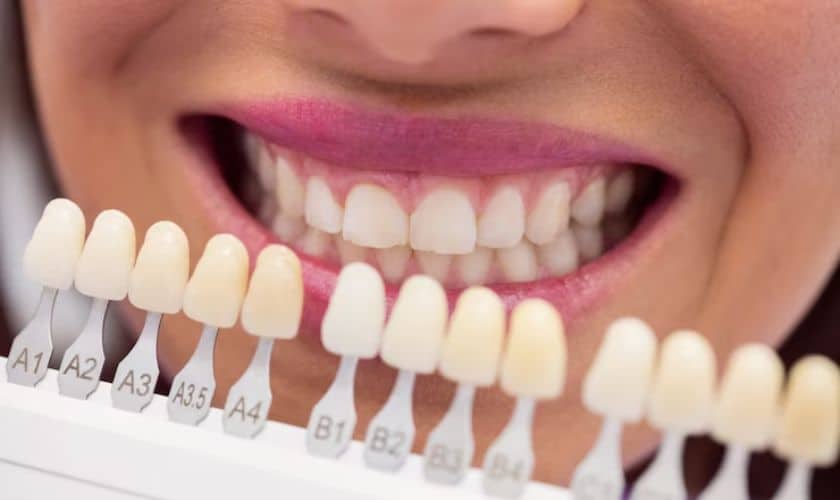
- Another factor to consider is shade selection. Your dentist will take into account your skin tone and eye colour when selecting a shade that looks natural on you.
- Cost may also play a role in your decision-making process. Traditional porcelain veneers tend to be more expensive than no-prep options due to their custom fabrication process.
- Ultimately, it’s important to choose a reputable dentist with experience in cosmetic dentistry who can guide you through the decision-making process and help you select the best option for your unique needs.
What to Expect After Your Porcelain Veneer Procedures
- After your porcelain veneer procedure, it is normal to experience some sensitivity and discomfort in your teeth. You may also feel a bit of soreness on your gums due to the handling during the procedure. However, these symptoms will usually disappear within a few days.
- It’s important to avoid eating or drinking anything that could stain your teeth for at least 48 hours after the procedure. This includes coffee, tea, red wine, and any other foods that contain strong colours.
- You should also avoid chewing hard foods or using excessive force when brushing for the first few days after getting porcelain veneers. It’s best to stick with soft foods until you feel comfortable enough with your new veneers.
- If you notice any persistent pain or discomfort beyond a week after treatment, contact your dentist right away as this could be indicative of an underlying issue.
- With proper care and maintenance, porcelain veneers can last up to 10-15 years without needing replacement. Be sure to practice good oral hygiene habits such as regular brushing and flossing along with routine dental check-ups in order to ensure their longevity!
Types of porcelain veneers
- Porcelain veneers are a popular cosmetic dentistry option for fixing dental imperfections such as chipped, discoloured, or misaligned teeth. There are two types of porcelain veneers available: traditional and no-prep.
- Traditional porcelain veneers require some preparation before placement. The dentist will first remove a small amount of enamel from the tooth to make room for the veneer. Then, an impression is taken and sent to a lab where custom-made veneers are created. Temporary veneers may be placed while waiting for the permanent ones.
- No-prep porcelain veneers, on the other hand, do not require any preparation before placement. They are thinner than traditional ones and can be bonded directly onto the surface of the tooth without removing any enamel. This makes them a good option for those who want to avoid any discomfort associated with traditional veneer procedures.
- Both types of porcelain veneers offer natural-looking results that can improve your smile’s appearance dramatically. It’s important to discuss your options with your dentist to determine which type is best suited for your particular needs and budget.
- Whether you choose traditional or no-prep porcelain veneers, they offer many benefits in terms of aesthetics and functionality compared with other cosmetic dental treatments such as bonding or crowns.
How porcelain veneers are placed
- Porcelain veneers are a great option for fixing dental imperfections. But how exactly are they placed? The process involves several steps and requires the expertise of a qualified dentist.
- First, your dentist will prepare your teeth by removing a small amount of enamel to make room for the veneers. This is done using a local anaesthetic to ensure you don’t feel any pain or discomfort during the procedure.
- Next, impressions of your teeth will be taken so that custom-made veneers can be created specifically for you. These impressions are sent to a dental lab where technicians will craft your new veneers from high-quality porcelain materials.
- Once the veneers have been made, your dentist will carefully bond them onto your teeth using a special adhesive. They’ll then use a curing light to harden the adhesive and ensure that the veneer is securely in place.
- Any excess material is trimmed away and polished until it blends seamlessly with surrounding teeth. And just like that, you’ll have an instant smile transformation!
- Placing porcelain veneers requires precision and skill on behalf of both patient and dentist alike. But with proper care and maintenance, these restorations can last many years while helping you achieve the beautiful smile you deserve!
What to expect after receiving porcelain veneers
- After receiving porcelain veneers, it is normal to experience some sensitivity and discomfort in your teeth for a few days. This is because the dentist needs to remove a thin layer of enamel to make space for the veneer. The good news is that over-the-counter pain relievers can help alleviate any discomfort.
- It’s also important to note that after getting porcelain veneers, you may need to adjust your eating habits slightly. Avoid biting into hard or crunchy foods as they can damage your new veneers.
- Maintaining proper oral hygiene practices, such as brushing twice daily and flossing regularly, will ensure the longevity of your porcelain veneers. It’s also recommended that you visit your dentist every six months for regular check-ups and cleanings.
- In rare cases, complications may arise after receiving porcelain veneers. If you notice any issues such as persistent pain or sensitivity, discoloration around the margins of the veneer, or chipping/cracking of the porcelain material – contact your dentist immediately.
- With proper care and maintenance, porcelain veneers can last up to 10-15 years without needing replacement!
The benefits of porcelain veneers
- Porcelain veneers are an excellent solution for those who want to fix their dental imperfections and achieve a beautiful smile. These custom-made shells offer numerous benefits, including improved self-confidence, enhanced appearance, and better oral health.
- Porcelain veneers can last for several years with proper care and maintenance. They are also stain-resistant, making them an ideal choice for people who love coffee or red wine.
- If you’re considering porcelain veneers as a cosmetic dentistry option but still have questions or concerns about the procedure, it’s best to speak with your dentist who can help provide you with more information about how porcelain veneers work.
If you’re looking to improve your smile quickly and effectively while fixing any dental flaws that might be holding you back from feeling confident in yourself – porcelain veneers may just be what you need! So go ahead – take the first step towards achieving the perfect smile today!