

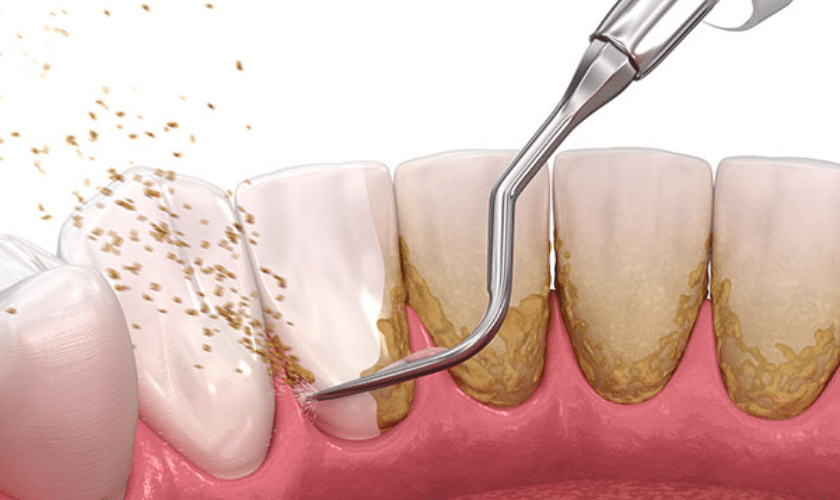
Dentures, the unsung heroes of oral health, offer a second chance at a radiant smile and functional bite for those who have experienced tooth loss. However, this second lease on a confident grin comes with responsibilities, chief among them being the removal of plaque. Plaque, a stealthy intruder composed of bacteria and other elements, can compromise not only the aesthetics of dentures but also the overall oral health of the wearer.
Understanding Plaque on Dentures
Plaque on dentures is not merely a cosmetic concern; it poses a significant threat to oral health. This insidious film, primarily composed of bacteria, forms a sticky layer on the surface of dentures, akin to its presence on natural teeth. Delving deeper into this issue reveals the potential consequences and underscores the importance of a proactive approach to plaque removal.
Nature of Denture Plaque
Plaque on dentures is a biofilm consisting of bacteria, saliva proteins, and remnants of food particles. These microorganisms thrive in the warm and moist environment created within the oral cavity. Over time, if not addressed, this film hardens into a substance known as tartar, further complicating the removal process.
Consequences of Neglecting Denture Plaque
Ignoring the presence of plaque on dentures can lead to a cascade of oral health issues. The bacteria within plaque release acids that can erode the denture material, diminishing its integrity and potentially altering its fit. Moreover, the accumulation of plaque contributes to bad breath, a common concern for denture wearers.
Gum Inflammation and Infections
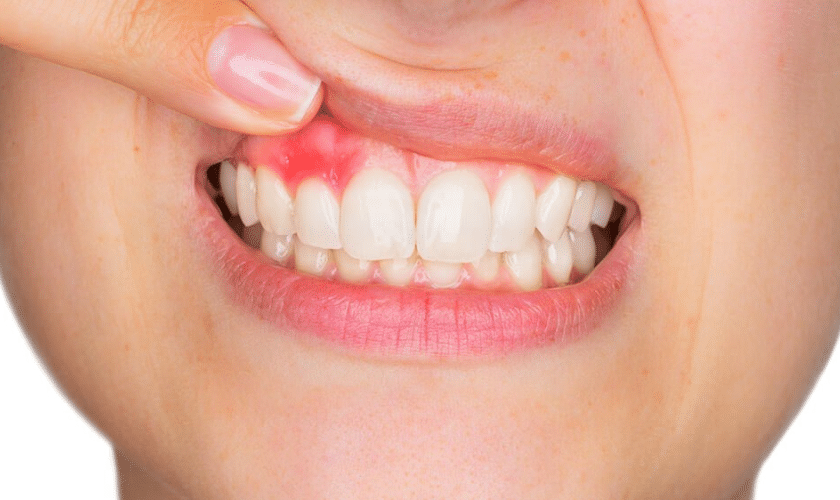
Plaque buildup on dentures isn’t limited to the prosthetic itself; it can extend to the gums and the remaining natural teeth. This can result in gum inflammation (gingivitis) and, if left untreated, progress to more severe conditions like periodontitis. Infections may also arise, posing a threat to both oral and overall health.
Staining and Discoloration
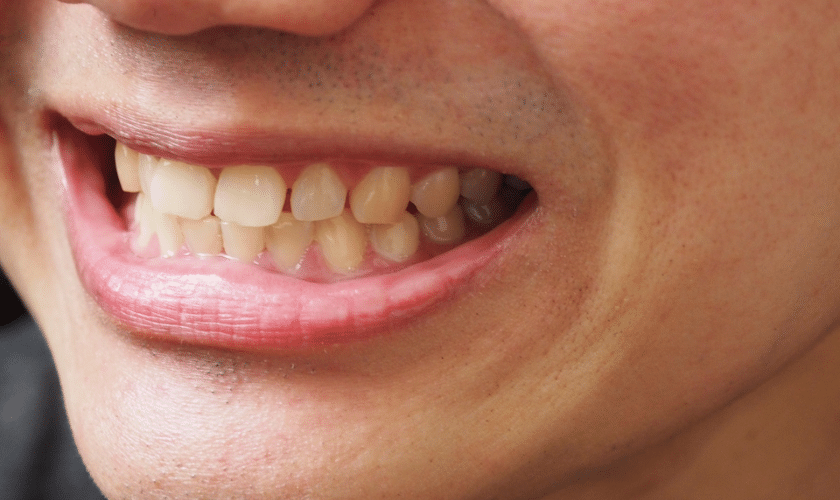
Beyond its microbial composition, plaque often contains pigments from food and beverages, leading to staining and discoloration of dentures. Not only does this compromise the aesthetic appeal of the prosthetic, but it may also serve as an indicator of neglected oral hygiene.
Step-by-Step Guide on Removing Plaque
Maintaining pristine dentures involves more than just a daily brush; it requires a systematic and comprehensive approach to plaque removal. Here’s how you can remove plaque from your dentures:
Daily Brushing
Initiate your plaque-fighting routine with a soft-bristled brush designed specifically for dentures. Brushing should be a daily ritual performed in the morning and before bedtime. Hold the denture firmly but gently, and systematically clean all surfaces, including the inner and outer areas, as well as the chewing surfaces. Pay special attention to crevices, ridges, and areas where food particles may accumulate.
Soaking in Denture Cleaner
Denture cleaning solutions are specially formulated to break down plaque and eliminate stains. After brushing, immerse your dentures in the recommended cleaning solution. Follow the instructions provided by the manufacturer regarding soaking duration. This step not only aids in plaque removal but also sanitizes the dentures, ensuring a hygienic fit within the oral cavity.
Homemade Remedies
For those who prefer natural alternatives, a homemade paste using baking soda and water can be a valuable addition to the cleaning arsenal. Baking soda’s mild abrasiveness assists in plaque removal without causing damage to the denture material. Create a paste, apply it with a soft brush, and gently scrub the surfaces. Remember to rinse thoroughly after this process.
Avoid Abrasive Substances
While maintaining a proactive approach to plaque removal is crucial, it’s equally important to avoid abrasive substances that could harm the denture material. Steer clear of harsh toothpaste, stiff-bristled brushes, or abrasive cleaning agents that may scratch or erode the surface of the dentures.
Removing plaque from dentures is a meticulous process that demands a combination of daily care, occasional deep cleaning, and professional attention. By following this step-by-step guide, you’re not just eliminating plaque; you’re safeguarding the comfort, aesthetics, and functionality of your dentures, ensuring they continue to enhance your smile for years to come. With a plaque-free foundation, your dentures can be the catalyst for not just oral health but also a confident and vibrant life. Here’s to a future filled with smiles, health, and the unwavering charm of a well-cared-for set of dentures.
Looking For A Dentist In Chicago, IL
We’re so glad you’re here, and we’d love to welcome you to Wicker Park Dental Group! Featuring preventive care from our friendly team, this exclusive offer has everything you need to get started with us and maintain lifelong oral health. We can’t wait to meet you and your smile soon!