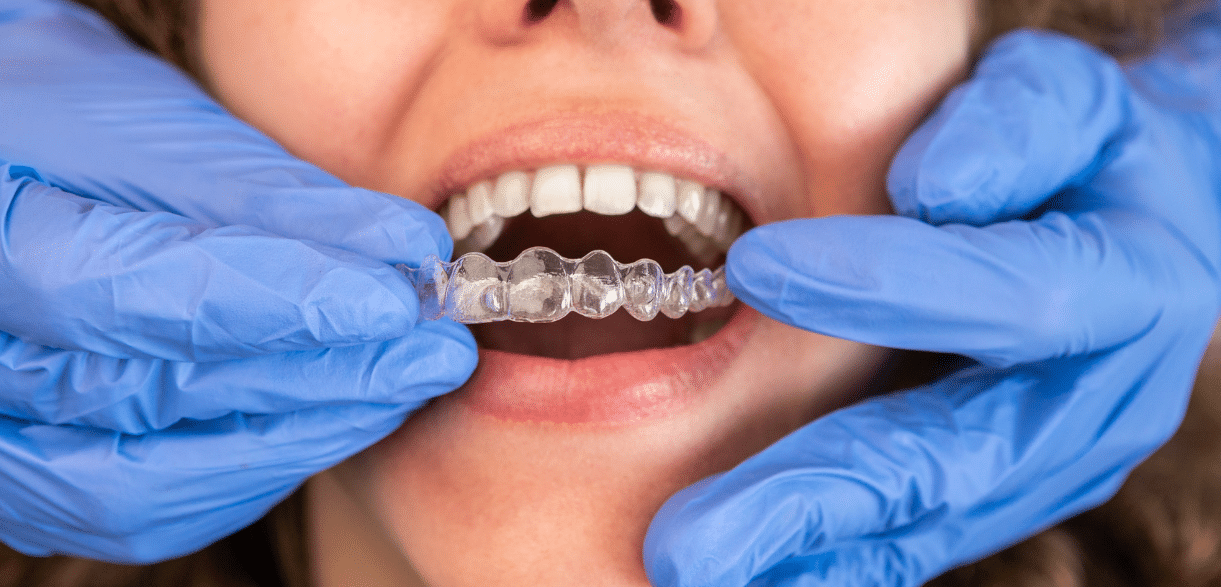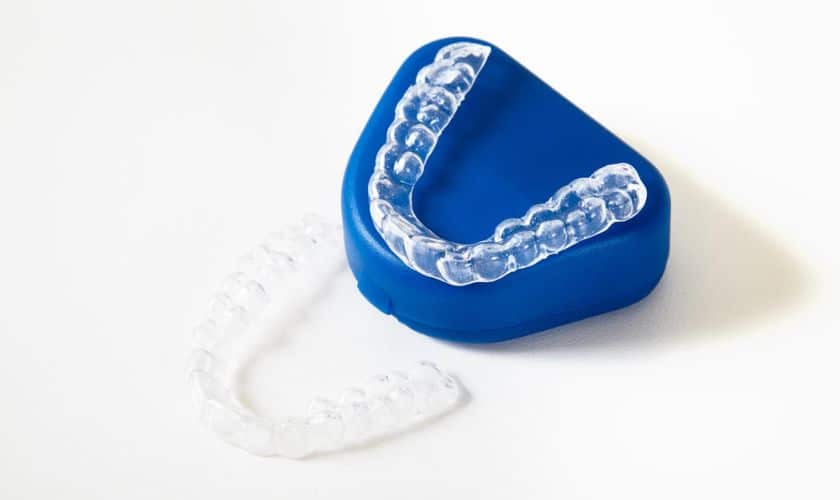


Dealing with discomfort from Invisalign aligners can be a challenge, especially if you’re experiencing cuts or irritation in your gums. If your Invisalign aligners are cutting your gums, it’s important to address the issue promptly to ensure your treatment continues smoothly and comfortably. Here are some tips and strategies for managing and preventing gum irritation from your aligners.
Understanding Why Invisalign Might Cut Your Gums
Invisalign aligners are designed to be a smooth, comfortable alternative to traditional metal braces. However, like any orthodontic device, they can cause irritation if not fitted correctly or if the edge of the aligner is sharp. Sometimes, the aligners might irritate your gums due to the edge’s position or if you have particularly sensitive gums.
Immediate Steps to Take
1. Rinse with Salt Water: If you notice a cut or irritation, start by rinsing your mouth with warm salt water. This can help soothe the irritation and prevent infection. Mix one teaspoon of salt in a cup of warm water and gently swish it around your mouth for 30 seconds.
2. Check the Fit: Examine how the aligner fits around your teeth and gums. If the aligner doesn’t snap on or feels unusually tight, contact your orthodontist. An improper fit can lead to unnecessary discomfort.
3. Smooth Out Sharp Edges: Sometimes, the edges of the aligner may need slight adjustment. You can use a nail file to gently smooth any rough edges of the aligner that are causing irritation. Be sure to do this gently and carefully, ensuring you do not alter the overall shape of the aligner.
Preventative Measures
4. Ensure Proper Hygiene: Keeping both your teeth and aligners clean is crucial. Build-up on your aligners can cause them to fit poorly and irritate your gums. Rinse your aligners every time you take them out and brush them gently with a toothbrush.
5. Use Orthodontic Wax: If you have a particular area that is causing irritation, you can apply orthodontic wax to the aligner. This creates a barrier between your gums and the irritating edge of the aligner.
6. Discuss with Your Orthodontist: If adjustments at home do not help, or if the irritation is severe, it’s important to discuss this with your orthodontist. They may need to trim the aligners or possibly order a new set if the current one is defective.
Long-Term Care and Maintenance
7. Regularly Attend Check-Ups: Regular visits to your orthodontist are essential. These check-ups allow your orthodontist to monitor your progress and make any necessary adjustments to your treatment plan, including the fit of your aligners.
8. Follow Your Orthodontist’s Instructions: Wear your aligners as prescribed. Taking them out too often or not wearing them long enough each day can affect how they fit and move your teeth, potentially causing more irritation.
9. Stay Hydrated: Keeping your mouth moist can help prevent irritation. Dry mouth can exacerbate the feeling of cuts and can cause more friction between your gums and the aligners.
When to See a Professional
While minor discomfort can be normal, especially when switching to a new set of aligners, you should not experience significant pain or cutting. If you are, it’s a sign that something may be wrong. Continuous irritation, bleeding, or cuts that do not heal are all reasons to visit your orthodontist immediately. They can assess whether the aligners are the correct fit or if there is another underlying issue that needs addressing.
Conclusion
Invisalign is a popular choice for orthodontic treatment due to its aesthetic appeal and comfort compared to traditional braces. However, it is not without its challenges. If your aligners are cutting your gums, take immediate action to address the discomfort and consult with your orthodontist to ensure your treatment is both effective and comfortable. With the right care and attention, you can continue your journey to a perfect smile with minimal discomfort.