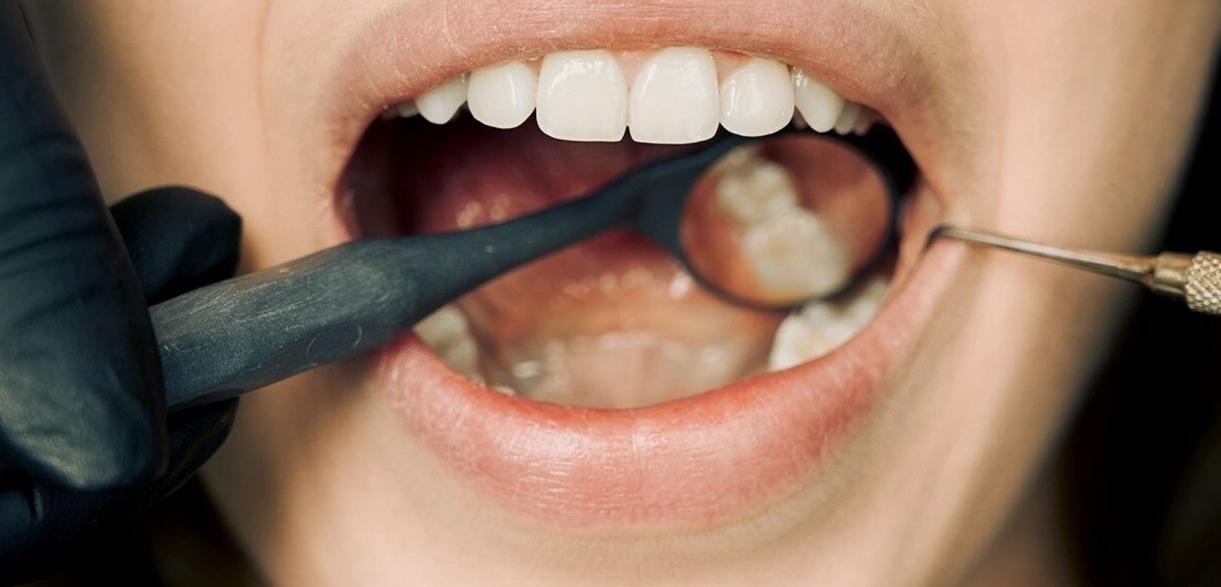


Wisdom tooth extraction is a common dental procedure that many individuals undergo to alleviate pain, prevent dental complications, or address overcrowding in the mouth. While the surgery itself is generally straightforward, the recovery process can bring about a range of symptoms, one of which is ear pain. If you’ve recently had a wisdom tooth extracted and are experiencing ear pain, you might be wondering if this is normal and what you can do about it. In this comprehensive guide, we’ll explore the causes of ear pain after wisdom tooth extraction, discuss when to seek medical advice, and provide tips for managing and preventing this discomfort.
Understanding Wisdom Tooth Extraction
Why Are Wisdom Teeth Removed?
Wisdom teeth, or third molars, are the last set of teeth to develop, usually emerging in late adolescence or early adulthood. Due to the lack of space in the modern human jaw, these teeth often become impacted, meaning they don’t have enough room to emerge properly. Impacted wisdom teeth can cause a variety of issues, including:
- Pain and discomfort
- Infection and swelling
- Damage to adjacent teeth
- Cysts or tumors
The Extraction Process
The extraction of wisdom teeth typically involves a surgical procedure performed by a dentist or oral surgeon. The process includes:
- Anesthesia: Local or general anesthesia is administered to ensure the patient is comfortable and pain-free during the procedure.
- Incision: An incision is made in the gum tissue to expose the tooth and bone.
- Tooth Removal: The wisdom tooth is removed, often in sections to minimize the impact on surrounding tissues.
- Stitches: The incision site is stitched up, and gauze is placed over the extraction site to control bleeding.
Causes of Ear Pain After Wisdom Tooth Extraction

Experiencing ear pain after wisdom tooth extraction can be alarming, but it’s a relatively common symptom. Here are some reasons why you might feel ear pain following the procedure:
1. Referred Pain
One of the most common reasons for ear pain after a wisdom tooth extraction is referred pain. The nerves in your mouth and jaw are closely connected to the nerves in your ears. When your mouth undergoes trauma, such as a tooth extraction, the pain can radiate to other areas, including your ears. This phenomenon is known as referred pain, where pain is felt in a location other than where it originates.
2. Inflammation and Swelling
After a wisdom tooth extraction, it’s normal for the surrounding tissues to become inflamed and swollen. This swelling can affect the nearby muscles and nerves, potentially leading to ear pain. The swelling typically peaks within 48 to 72 hours after the surgery and then gradually subsides.
3. Infection
Infection is a possible complication of any surgical procedure, including wisdom tooth extraction. If the extraction site becomes infected, it can cause pain that radiates to the ear. Signs of infection include persistent or worsening pain, swelling, redness, and discharge from the extraction site. Fever and a bad taste in the mouth may also be indicators of infection.
4. Dry Socket
A dry socket (alveolar osteitis) is a condition that can occur when the blood clot that forms in the extraction site becomes dislodged or dissolves prematurely. This leaves the underlying bone and nerves exposed, causing severe pain that can radiate to the ear. Symptoms of dry sockets typically appear a few days after the extraction and include intense pain, an empty-looking socket, and a foul odor or taste in the mouth.
5. Sinus Issues
The upper wisdom teeth are located close to the sinuses. In some cases, the extraction of an upper wisdom tooth can affect the sinuses, leading to sinus congestion or infection. This can cause pain and pressure in the ears as well as other sinus-related symptoms.
Managing Ear Pain After Wisdom Tooth Extraction
If you’re experiencing ear pain after a wisdom tooth extraction, there are several steps you can take to manage the discomfort and promote healing:
1. Pain Management
- Over-the-Counter Pain Relievers: Non-prescription pain relievers such as ibuprofen (Advil, Motrin) or acetaminophen (Tylenol) can help alleviate pain and reduce inflammation.
- Prescription Pain Medication: If over-the-counter medications are not sufficient, your dentist or oral surgeon may prescribe stronger pain medication for short-term use.
2. Cold Compress
Applying a cold compress to the side of your face can help reduce swelling and numb the area, providing relief from pain. Use an ice pack or a bag of frozen peas wrapped in a cloth, and apply it to the affected area for 15-20 minutes at a time, several times a day.
3. Warm Compress
After the initial swelling has subsided (usually after 48 hours), you can switch to a warm compress to help soothe sore muscles and promote blood circulation. Use a warm, damp cloth and apply it to the side of your face for 15-20 minutes at a time.
4. Maintain Oral Hygiene
Keeping the extraction site clean is crucial for preventing infection and promoting healing. Follow your dentist’s instructions for oral hygiene, which may include:
- Rinsing with Salt Water: Gently rinse your mouth with a saltwater solution (1/2 teaspoon of salt in a glass of warm water) several times a day, starting 24 hours after the extraction.
- Avoiding Irritants: Refrain from using mouthwashes with alcohol, smoking, and drinking through a straw, as these can irritate the extraction site and delay healing.
5. Rest and Recovery
Adequate rest is essential for a smooth recovery. Avoid strenuous activities for a few days after the extraction and get plenty of sleep. Keep your head elevated with pillows when lying down to help reduce swelling.
6. Soft Diet
Stick to a soft diet for the first few days after the extraction to avoid putting pressure on the extraction site. Examples of soft foods include yogurt, mashed potatoes, applesauce, scrambled eggs, and smoothies. Gradually reintroduce solid foods as you heal.
Preventing Complications
While ear pain can be a normal part of the recovery process after wisdom tooth extraction, there are steps you can take to minimize the risk of complications:
Follow Post-Operative Instructions
Your dentist will provide detailed post-operative care instructions. Follow these instructions carefully to promote healing and prevent complications.
Avoid Smoking and Alcohol
Smoking and alcohol can interfere with the healing process and increase the risk of infection. Avoid these substances for at least a week after the extraction.
Stay Hydrated
Drink plenty of water to stay hydrated and support the healing process. Avoid sugary or carbonated beverages, as these can irritate the extraction site.
Monitor for Signs of Complications
Keep an eye out for signs of complications, such as infection or dry socket. If you notice any unusual symptoms, contact your dentist promptly.
Experiencing ear pain after wisdom tooth extraction can be unsettling, but it’s often a normal part of the recovery process. Understanding the potential causes of ear pain, knowing when to seek medical advice, and following proper post-operative care can help you manage this discomfort and ensure a smooth recovery. By taking proactive steps to care for yourself after the procedure, you can minimize complications and promote healing, allowing you to return to your normal activities with a healthy, pain-free smile.