
Welcome to the world of porcelain veneers, where you can transform your smile into a Hollywood-worthy masterpiece. Porcelain veneers are a popular cosmetic dentistry solution that can help you achieve a radiant, flawless smile that exudes confidence and charm. Whether you’re looking to correct dental imperfections, whiten stained teeth, or improve the shape and alignment of your teeth, porcelain veneers offer a versatile and long-lasting solution. In this article, we will delve into the magic of porcelain veneers, exploring their benefits, the procedure involved, and how they can unlock the door to a smile that shines with the brilliance of a Hollywood star.
Understanding Porcelain Veneers
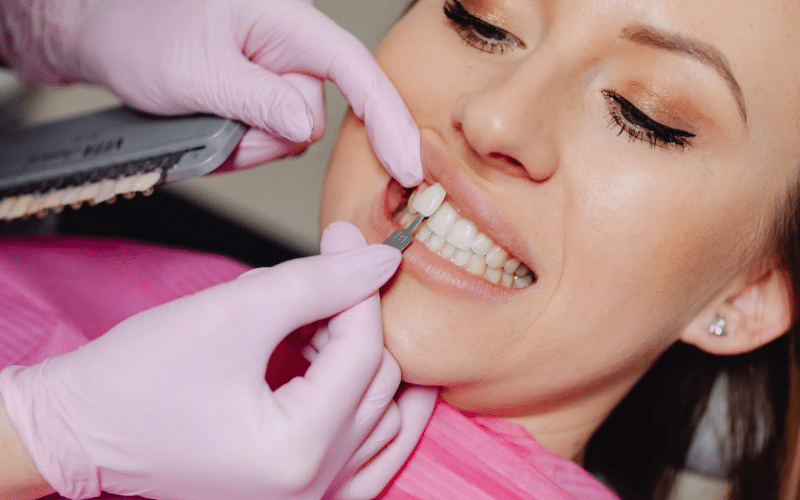
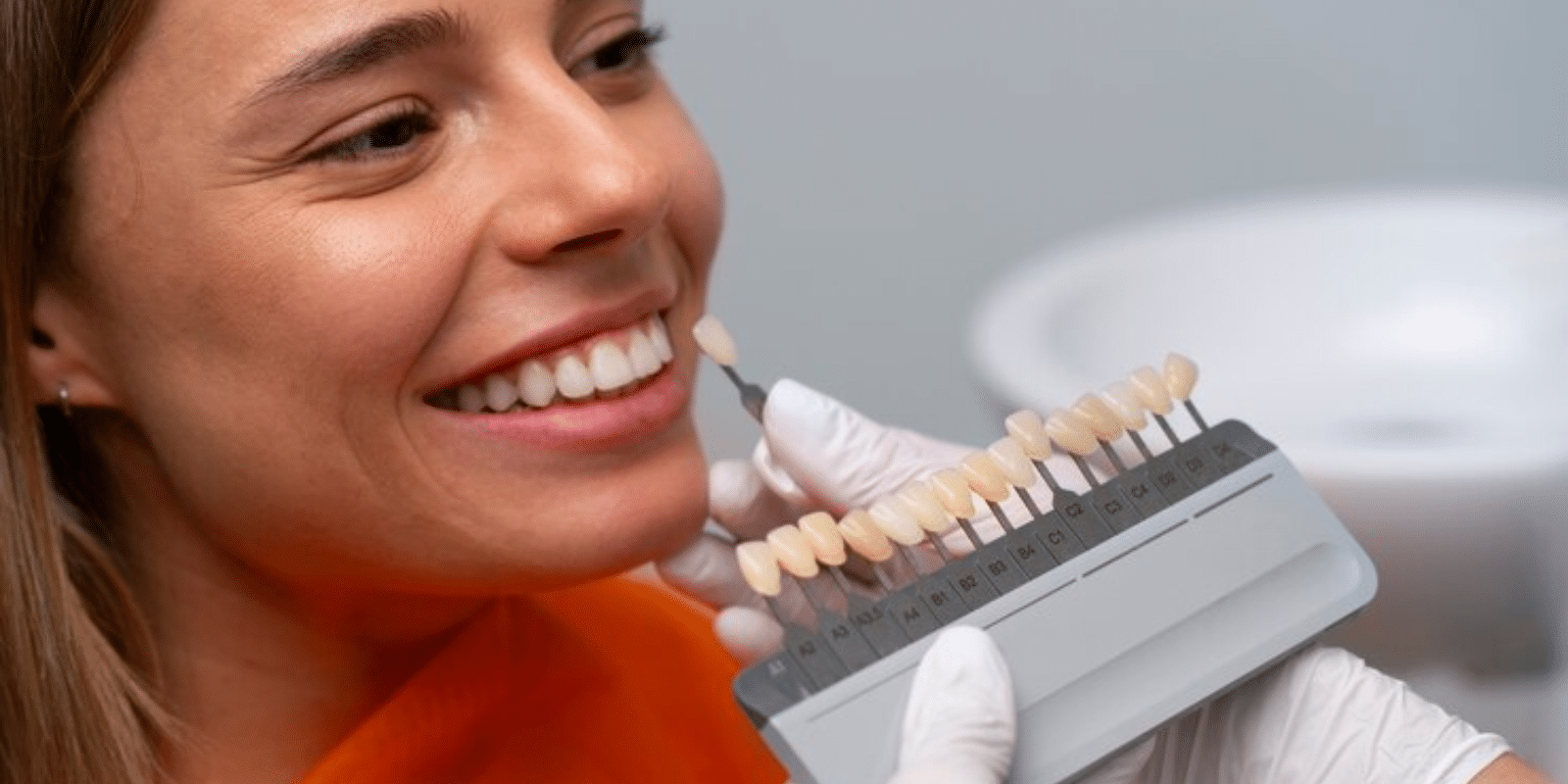
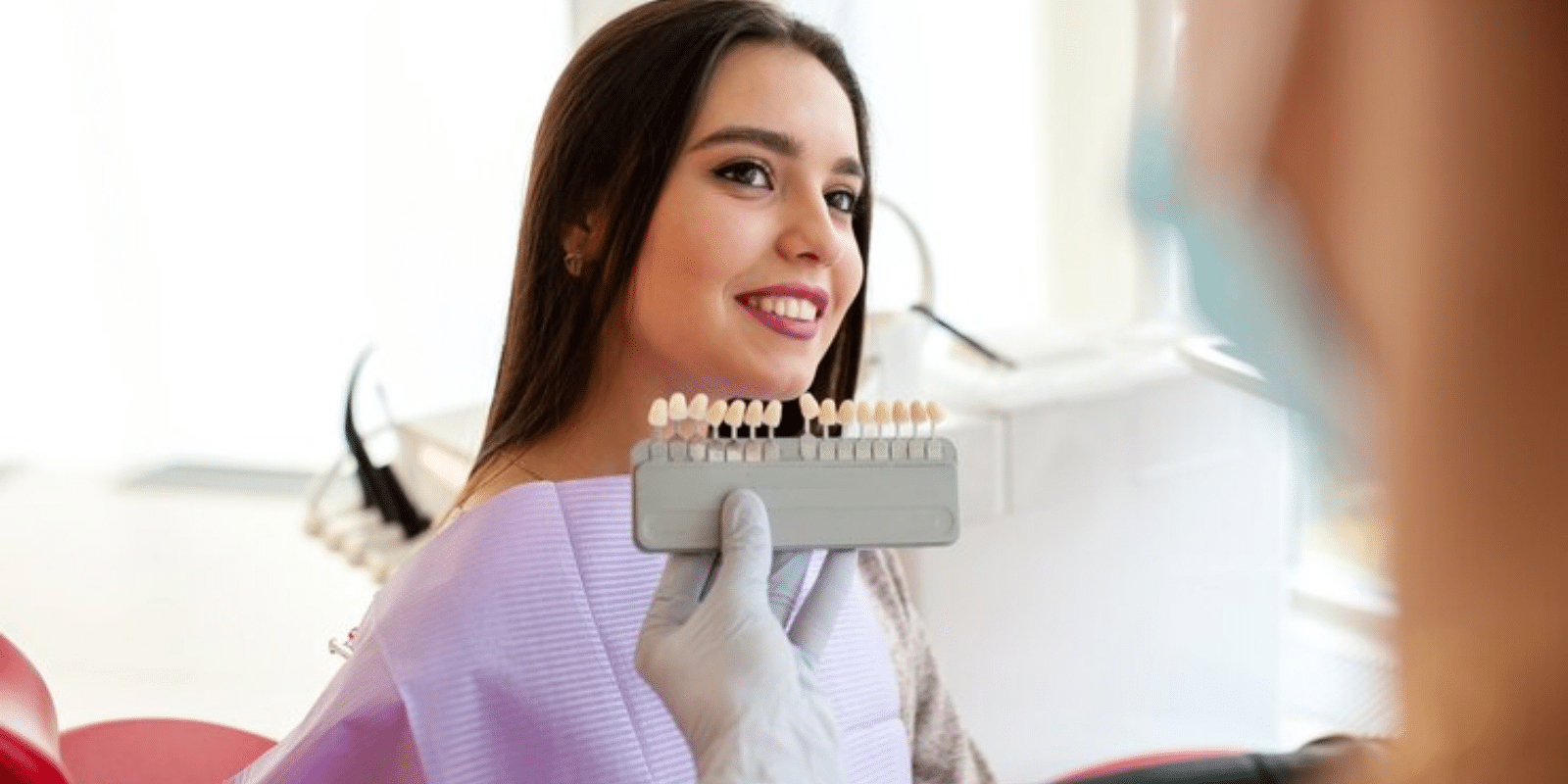
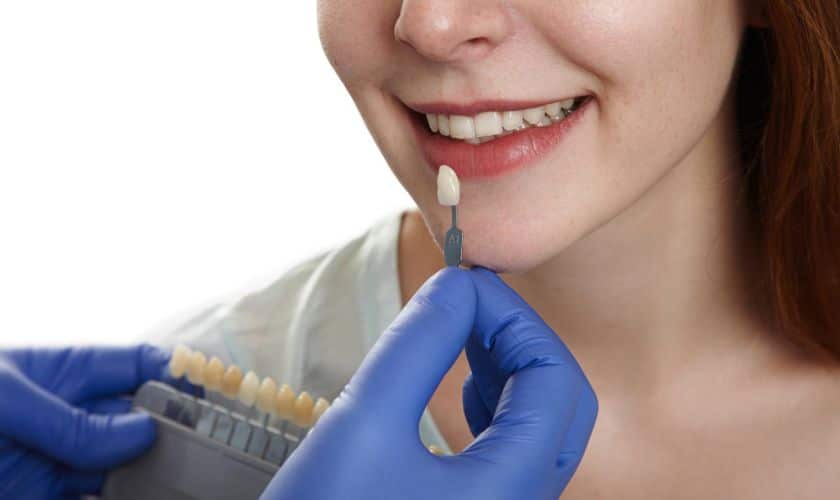
Porcelain veneers are thin, custom-made shells that are bonded to the front surface of teeth to improve their appearance. They are crafted from high-quality dental porcelain, which mimics the natural translucency and color of teeth. Porcelain veneers are designed to address a variety of cosmetic dental concerns, such as stained or discolored teeth, chipped or cracked teeth, misaligned or uneven teeth, and gaps between teeth. The veneers are customized to achieve the desired shape, size, and color, resulting in a natural-looking and aesthetically pleasing smile. The process of getting porcelain veneers involves consultation, tooth preparation, veneer fabrication, and final bonding, providing a long-lasting and transformative solution for a beautiful smile.
The Porcelain Veneer Procedure
1. Consultation: The first step in the porcelain veneer procedure is a consultation with a dentist. During this appointment, the dentist will evaluate the patient’s dental health, discuss their cosmetic goals, and determine if porcelain veneers are the right option for them.
2. Tooth Preparation: In order to accommodate the porcelain veneers, a small amount of enamel is typically removed from the front surface of the teeth. This helps create space for the veneers and ensures a proper fit. Local anesthesia may be used to ensure the patient’s comfort during this process.
3. Veneer Fabrication: Impressions of the prepared teeth are taken and sent to a dental laboratory, where the porcelain veneers are custom-made to match the desired shape, size, and color. This process usually takes a few weeks, during which temporary veneers may be placed on the teeth to protect them.
4. Veneer Bonding: Once the porcelain veneers are ready, the temporary veneers are removed, and the permanent veneers are bonded to the teeth using a dental adhesive. The dentist will carefully place and adjust each veneer to achieve the desired appearance. Finally, the veneers are polished to give them a natural shine and ensure a seamless blend with the surrounding teeth.
Enhancing Your Smile with Porcelain Veneers
1. Smile Transformation: Porcelain veneers are designed to enhance the appearance of your smile by improving the shape, size, and color of your teeth. They can effectively address a variety of cosmetic concerns, such as chips, cracks, stains, gaps, and uneven teeth.
2. Natural Aesthetics: Porcelain veneers are known for their natural-looking results. The thin, translucent material closely resembles the appearance of natural tooth enamel, giving your smile a beautiful and lifelike quality. The color and shade of the veneers can also be customized to match your existing teeth or achieve a whiter, brighter smile.
3. Long-lasting Solution: Porcelain veneers are durable and resistant to staining, allowing them to maintain their appearance and functionality for many years with proper care. They are also less likely to chip or break compared to other dental restorations. With regular dental check-ups and good oral hygiene habits, your porcelain veneers can provide a long-lasting solution for a stunning smile.
Caring for Porcelain Veneers
1. Maintain Good Oral Hygiene: Brush your teeth at least twice a day and floss daily to keep your porcelain veneers and natural teeth clean and free from plaque. Use a non-abrasive toothpaste and a soft-bristled toothbrush to avoid scratching the veneer surface.
2. Avoid Staining Substances: While porcelain veneers are resistant to staining, it’s still important to avoid excessive consumption of staining substances like coffee, tea, red wine, and tobacco. If you do consume these substances, rinse your mouth with water afterward or consider using a straw to minimize contact with your veneers.
3. Protect Against Damage: Avoid biting or chewing on hard objects, such as ice or pen caps, as this can potentially damage your veneers. Additionally, if you participate in contact sports or activities that pose a risk of facial trauma, consider wearing a mouthguard to protect your veneers and natural teeth.
Regular dental check-ups and cleanings are also crucial for monitoring the condition of your veneers and ensuring they remain in optimal shape.
In conclusion, porcelain veneers offer a transformative solution for achieving a Hollywood-worthy smile. With their natural appearance and versatility, they can address various dental concerns and enhance your confidence. By understanding the procedure, benefits, and care involved, you can make an informed decision and enjoy the long-lasting beauty and radiance that porcelain veneers provide.
FAQs
1. What are porcelain veneers?
Porcelain veneers are thin shells made of dental porcelain that are bonded to the front surface of the teeth to enhance their appearance.
2. How long do porcelain veneers last?
With proper care and maintenance, porcelain veneers can last for 10-15 years or even longer.
3. Can veneers be used to fix crooked teeth?
Veneers can help improve the appearance of mildly crooked teeth, but they may not be suitable for more severe cases. In such cases, orthodontic treatments may be recommended.
4. Are veneers reversible?
No, the process of getting veneers involves removing a small amount of enamel from the teeth, and this alteration is irreversible.
5. Are porcelain veneers stain-resistant?
Porcelain veneers are highly resistant to staining, but it’s still important to maintain good oral hygiene and avoid excessive consumption of stain-causing substances like coffee, tea, and tobacco to ensure their longevity.