

Welcome to “Dreamy Dentistry: Embrace Relaxation with Sedation Dentistry.” In this guide, we invite you to explore the world of sedation dentistry, where dental anxiety and fear melt away, leaving you with a relaxing and stress-free dental experience. We understand that dental visits can be overwhelming for some individuals, so sedation dentistry offers a solution to help you feel at ease throughout your dental treatment. Join us as we delve into sedation dentistry’s benefits, techniques, and options, and discover how it can transform your dental journey into a dream-like state of relaxation and comfort.
What is Sedation Dentistry?
Sedation dentistry is a specialized branch of dentistry that focuses on providing patients with a relaxed and anxiety-free dental experience. It involves sedative medications to help patients feel calm and comfortable during dental procedures.
Sedation can be administered in various forms, including oral sedation, inhalation sedation (nitrous oxide or “laughing gas”), and intravenous (IV) sedation. The level of sedation can range from mild relaxation to deep sedation, depending on the patient’s needs and the complexity of the procedure. Sedation dentistry is particularly beneficial for individuals with dental anxiety, fear, a sensitive gag reflex, or a low pain threshold, allowing them to receive the necessary dental care in a relaxed state.
Types Of Sedation Dentistry:
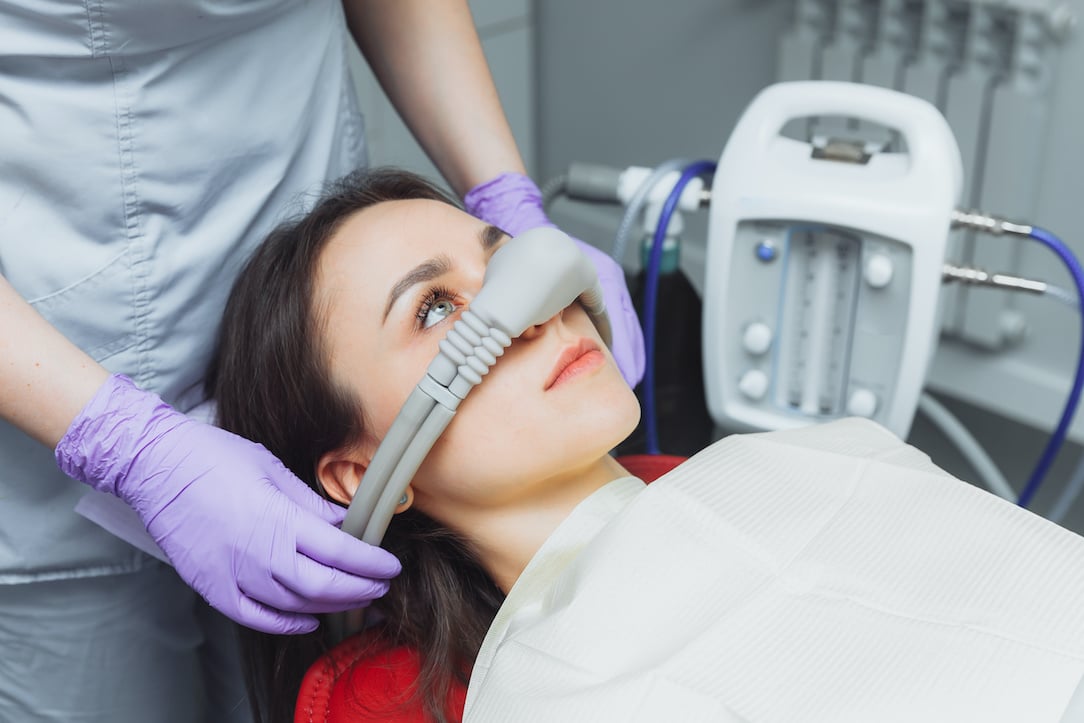
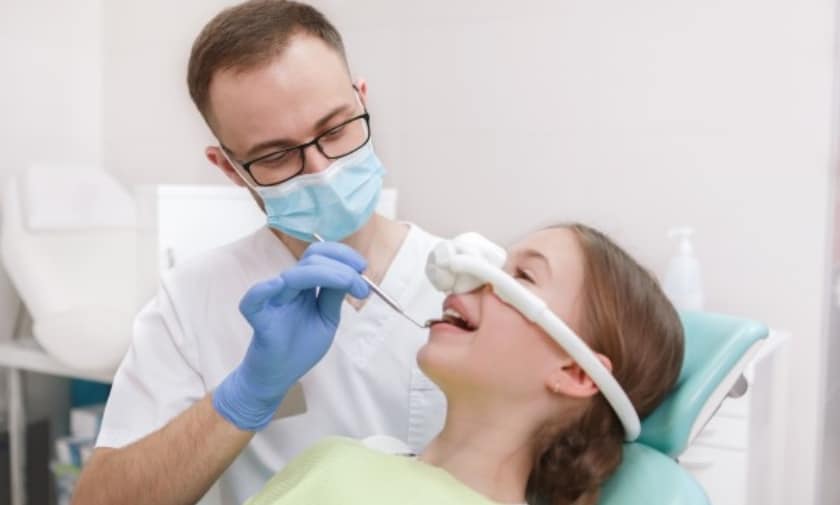
1. Nitrous Oxide Sedation (Laughing Gas): This form of sedation involves inhaling a mixture of nitrous oxide and oxygen through a mask. It induces a state of relaxation and reduces anxiety during dental procedures. Nitrous oxide is safe, and its effects wear off quickly after the procedure.
2. Oral Sedation: Oral sedation involves taking a prescribed medication, typically in the form of a pill, before the dental appointment. It helps patients achieve a relaxed and calm state during treatment. The level of sedation can vary, from mild to moderate, depending on the medication and dosage.
3. Intravenous (IV) Sedation: IV sedation is administered directly into the bloodstream, allowing for a deeper level of sedation. It is typically used for more complex dental procedures or patients with severe dental anxiety. A trained professional closely monitors IV sedation throughout the procedure.
4. General Anesthesia: General anesthesia involves a complete loss of consciousness, rendering the patient completely unaware and without memory of the procedure. It is typically reserved for extensive dental surgeries or patients with special medical considerations.
The type of sedation recommended will depend on factors such as the patient’s anxiety level, the complexity of the procedure, and the dentist’s assessment of the individual’s overall health and medical history. The dentist will determine the most suitable type of sedation for each patient’s needs.
Why is Sedation Dentistry preferred over other forms of dentistry?
Sedation dentistry is preferred over other forms of dentistry for several reasons:
1. Anxiety and Fear Relief: Sedation dentistry provides a profound sense of relaxation and helps alleviate anxiety and fear associated with dental treatments. It allows individuals with dental phobia or anxiety to receive care without distress.
2. Increased Comfort: Sedation dentistry promotes physical comfort during dental procedures. Patients experience reduced pain sensitivity, decreased gag reflex, and diminished muscle tension, allowing for a more comfortable and positive treatment experience.
3. Time Efficiency: With sedation dentistry, dentists can perform longer and more complex procedures in a single appointment. Patients can tolerate longer treatment sessions, minimizing the need for multiple visits and reducing overall treatment time.
4. Enhanced Cooperation: Sedation helps patients remain cooperative and still during dental procedures, making it easier for dentists to perform the necessary treatments. It also enables individuals with special needs or those who struggle with staying still to receive dental care effectively.
5. Memory Loss: Some forms of sedation dentistry induce partial or complete memory loss during the procedure. It is beneficial for individuals who experience dental-related trauma or have difficulty coping with dental experiences, as they won’t have vivid recollections that could contribute to anxiety in the future.
FAQs
1. Is sedation dentistry safe?
Yes, sedation dentistry is generally safe when administered by trained professionals. Dentists carefully evaluate the patient’s medical history and monitor vital signs during the procedure to ensure their safety.
2. Who is a candidate for sedation dentistry?
Sedation dentistry suits patients with dental anxiety, fear, a sensitive gag reflex, or difficulty sitting still during dental procedures. It can also benefit individuals undergoing lengthy or invasive treatments.
3. Will I be unconscious during the procedure?
The level of sedation can vary, ranging from mild relaxation to deep sedation. In most cases, patients remain conscious and responsive during the procedure but may experience deep relaxation.
4. How long does the sedative effect last?
The duration of sedation depends on the type of sedation used. Nitrous oxide wears off quickly, while oral sedation can have longer-lasting effects. Patients may feel tired or dizzy after the procedure and should have someone accompany them home.
In conclusion, sedation dentistry offers a transformative solution for individuals with dental anxiety, fear, or other barriers to receiving necessary dental care. A relaxed and comfortable experience promotes better oral health and overall well-being. Patients can overcome their fears with sedation dentistry and confidently pursue the dental treatments they need for a healthy and beautiful smile.