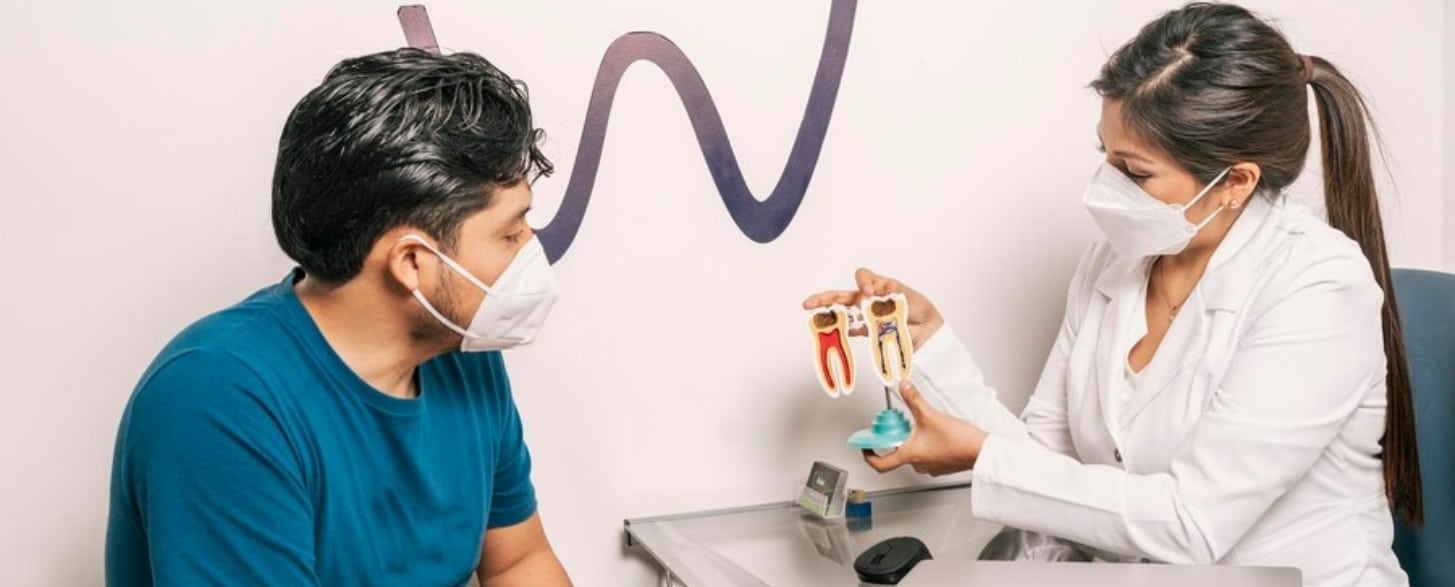


A root canal is designed to save a tooth for life. In most cases, that’s exactly what happens — the infected pulp is removed, the canal is cleaned and sealed, and the tooth goes on to function normally for years. But like any dental procedure, root canal therapy isn’t guaranteed to succeed 100% of the time. Studies on endodontic outcomes generally place long-term success rates between 85% and 95%, which means a small percentage of treated teeth can become reinfected or fail to heal properly.
If you’ve had a root canal and something doesn’t feel right , whether it was done last month or several years ago — it’s worth understanding what a failed root canal actually looks like, why it happens, and what your next steps should be. At Wicker Park Dental Group in Chicago, we regularly see patients who come to us after a previous root canal started causing problems again. Here’s what to watch for.
Why Root Canals Sometimes Fail
A root canal can fail for several reasons, and it’s rarely because the original procedure was done carelessly. Common causes include:
- Missed or extra canals. Some teeth, especially molars, have complex root systems with narrow or hidden canals that are difficult to fully clean and seal.
- New decay reaching the tooth. A cavity that forms under a crown or filling can reintroduce bacteria to the root, even years after successful treatment.
- A cracked tooth or root. Fractures can let bacteria back into the canal system, and they aren’t always visible without imaging.
- A delayed or damaged crown. If a permanent crown isn’t placed soon enough after treatment, or if the restoration breaks down, the tooth can become recontaminated.
- Breakdown of the seal over time. The materials used to fill the canal can degrade or shift, allowing reinfection.
Understanding the cause matters because it directly affects the treatment your dentist recommends.
Common Signs Your Root Canal May Have Failed
1. Pain That Returns Weeks, Months, or Years Later
Some discomfort in the days following a root canal is normal. What isn’t normal is pain that comes back after the tooth has fully healed, or pain that never fully goes away. Recurring pain — especially when biting down or chewing — is one of the clearest signals that something is wrong beneath the surface.
2. Swelling or a Recurring Pimple on the Gum
A small bump on the gum near the treated tooth, sometimes called a fistula, is often a sign of an active infection draining beneath the surface. If this bump appears, disappears, and reappears, the infection is still present even if you’re not always in pain.
3. Sensitivity to Hot or Cold
A properly treated tooth shouldn’t react to temperature, since the nerve tissue has been removed. If you notice new sensitivity to hot or cold foods and drinks around a root canal-treated tooth, it can indicate bacteria have reached the surrounding bone or that a nearby tooth is affected.
4. Tenderness When Chewing or Applying Pressure
Discomfort specifically when biting down can point to inflammation at the root tip or a fracture in the tooth structure that wasn’t present — or wasn’t visible — during the original treatment.
5. Visible Changes on an X-Ray
Sometimes there are no obvious symptoms at all, and a failing root canal is only caught during a routine dental exam. A dark area or shadow at the root tip on an X-ray can indicate bone loss from a persistent infection, which is why regular checkups after root canal therapy are so important.
6. Discoloration of the Tooth
A tooth that turns gray or noticeably darker than surrounding teeth can suggest internal tissue breakdown or lingering infection, even without pain.
What Chicago Patients Should Do Next
If any of these signs sound familiar, the most important step is not to wait. Untreated infection can spread to surrounding bone and, in some cases, lead to tooth loss. Here’s what typically happens when you bring these symptoms to a dentist:
1. Diagnostic Evaluation. Your dentist will review your symptoms, examine the tooth, and take updated imaging. At Wicker Park Dental Group, we use 3-D cone beam CT scans to get a detailed, three-dimensional view of the root structure, which helps identify missed canals, fractures, or bone changes that standard X-rays might not fully capture.
2. Discussing Your Options. Depending on the cause of failure, treatment options generally fall into a few categories:
- Endodontic retreatment — reopening the tooth, removing the old filling material, cleaning the canals again, and resealing them.
- Apicoectomy — a minor surgical procedure to remove infected tissue at the root tip when retreatment through the crown isn’t practical.
- Extraction — considered only when the tooth can’t reasonably be saved, often followed by a discussion of replacement options like a dental implant.
3. A Personalized Treatment Plan. Every case is different. Our team at Wicker Park Dental Group takes time to explain what’s happening with your specific tooth and walks you through realistic options and costs before any treatment begins — we believe in transparent, pressure-free care.
Don’t Ignore the Warning Signs
A failed root canal doesn’t mean you did anything wrong, and it doesn’t necessarily mean the tooth is lost. Many failed root canals can be successfully retreated when addressed early. The key is paying attention to your body and scheduling an evaluation as soon as something feels off.
If you’re experiencing pain, swelling, or sensitivity around a previously treated tooth, Wicker Park Dental Group is here to help. Our Chicago dental team offers advanced diagnostic imaging, rotary endodontics, and same-day emergency appointments for patients dealing with root canal complications. Call us at (773) 207-6612 or visit us at 1121 N Western Ave #1S, Chicago, IL 60622 to schedule an evaluation.
Frequently Asked Questions
1. How do I know if my root canal failed versus normal healing discomfort? Mild soreness for a few days after treatment is normal. Pain that returns after the tooth has healed, or that persists beyond a week or two, is not — and should be evaluated by a dentist.
2. Can a root canal fail years after the original procedure?
Yes. New decay, a cracked restoration, or a damaged crown can allow bacteria to reach the root years after a successful treatment, causing the tooth to become reinfected.
3. Is retreatment as painful as the original root canal?
Retreatment is performed with local anesthesia, similar to the original procedure, and most patients describe the experience as comparable to their first root canal.
4. What happens if a failed root canal is left untreated?
The infection can spread to the surrounding bone, potentially leading to abscess formation, bone loss, and eventually loss of the tooth if not addressed.
5. Does Wicker Park Dental Group offer emergency appointments for root canal problems?
Yes. Wicker Park Dental Group provides prompt evaluations for patients experiencing pain, swelling, or other symptoms related to a previously treated tooth. Call (773) 207-6612 to schedule.