
Are you experiencing pain or discomfort after having a root canal? It’s important to pay attention to the signs of infection that could arise after this common dental procedure. While root canals are typically successful in treating tooth decay and saving damaged teeth, there is still a small risk of developing an infection. In this blog post, we will explore the signs of infection after a root canal and provide helpful tips on how to prevent it. So let’s dive in and ensure your oral health stays on track!
The Basics of Root Canals
- Root canals, despite their reputation, are not as scary as they may sound. In fact, they are a common dental procedure aimed at saving your natural tooth and relieving pain caused by infection or decay.
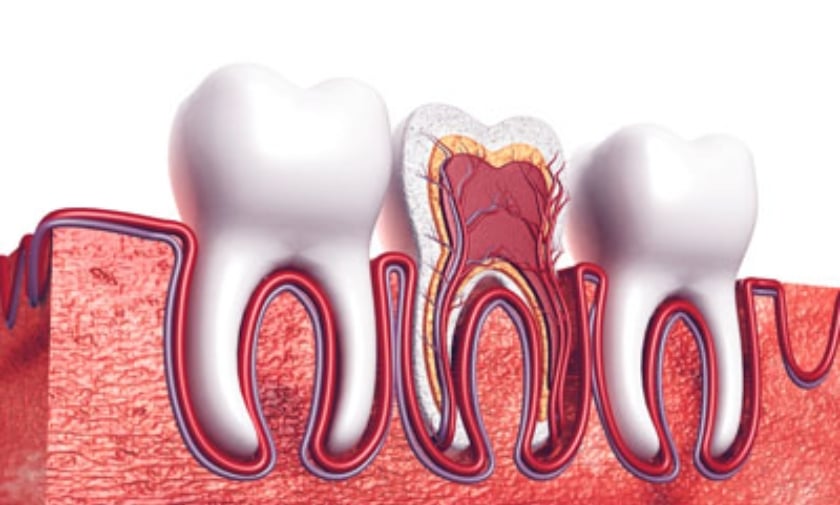
- During a root canal, the dentist removes the infected pulp from inside the tooth and cleans out the root canals before sealing them off with a filling material. This prevents further infection and allows you to keep your natural tooth intact.
- The procedure itself is typically done under local anaesthesia to ensure minimal discomfort. Your dentist will use specialized instruments to carefully clean out the infected area and shape the root canals for filling.
- Afterwards, you may experience some tenderness or soreness in the treated area for a few days. This is completely normal and can be managed with over-the-counter pain medication recommended by your dentist.
- It’s important to note that while most root canals are successful in eliminating infection and preserving teeth, there is still a small chance of complications occurring after the procedure. One such complication is an infection.
- Now that we have covered the basics of what happens during a root canal, let’s explore what signs indicate an infection might be present after this dental treatment. Stay tuned!
What To Expect After a Root Canal
After undergoing a root canal, it’s natural to wonder what lies ahead. Here’s a glimpse into what you can expect after the procedure.
1. Soreness: It’s common to experience some soreness and discomfort for a few days following a root canal. This is typically manageable with over-the-counter pain medication.
2. Sensitivity: You may also notice increased sensitivity in the treated tooth or surrounding areas. This sensitivity should diminish gradually as your mouth heals.
3. Swelling: In some cases, mild swelling may occur around the site of the root canal treatment. Applying an ice pack outside your mouth can help reduce any swelling that arises.
4. Temporary crown: After completing the root canal, your dentist will place a temporary crown over the treated tooth while waiting for your permanent restoration to be made.
5. Follow-up appointments: Your dentist will schedule follow-up appointments to monitor your progress and ensure proper healing of both the tooth and surrounding tissues.
Remember that everyone’s recovery process may vary slightly based on individual factors such as overall health and how well you adhere to post-treatment care instructions provided by your dentist.
If you have any concerns or if symptoms worsen instead of improving over time, don’t hesitate to reach out to your dental professional for further evaluation and guidance on next steps
The Condition You’re In If You Get Infected
- After undergoing a root canal procedure, it’s important to be aware of the signs that may indicate an infection. While most root canals are successful in treating dental issues and eliminating infection, there is still a slight risk of developing an infection afterwards.
- One of the first signs that you might have an infection after a root canal is persistent pain or discomfort. This could manifest as a throbbing or sharp pain in the affected tooth or surrounding area. Additionally, swelling or tenderness in the gums near the treated tooth may also be present.
- Another indication of infection is increased sensitivity to hot or cold temperatures. If you notice that your tooth becomes particularly sensitive when consuming hot beverages or biting into cold foods, it could be a sign that an infection has developed.
- In some cases, you might experience bad breath or an unpleasant taste in your mouth. This could be due to bacteria accumulating around the infected area and causing oral odour.
- It’s worth noting that not all infections will exhibit obvious symptoms right away. Some infections may develop gradually over time without any immediate noticeable signs. That’s why regular check-ups with your dentist are crucial for early detection and treatment.
- If you suspect an infection following a root canal, it’s important to contact your dentist promptly for evaluation and proper diagnosis. Only they can determine if further interventions such as antibiotics or additional dental procedures are necessary to resolve the issue effectively.
- Remember, early intervention is key when dealing with infections after a root canal procedure. Keep track of any changes in pain levels, swelling, sensitivity, bad breath, or unusual tastes in order to address potential issues promptly and maintain optimal oral health.
How to Avoid Getting Infected After a Root Canal
- One of the best ways to avoid getting infected after a root canal is by practising good oral hygiene. This includes brushing your teeth at least twice a day and flossing regularly. By keeping your mouth clean, you can help prevent bacteria from entering the root canal site.
- Another important step in avoiding infection is to follow all post-operative instructions given by your dentist. These instructions may include avoiding certain foods or drinks for a period of time, as well as taking any prescribed medications or antibiotics.
- It’s also crucial to avoid smoking or using tobacco products after a root canal procedure. Smoking can delay the healing process and increase the risk of infection. Additionally, smoking can also lead to other complications such as dry sockets.
- Regular dental check-ups are another key factor in preventing infection after a root canal. Your dentist will be able to monitor your progress and address any potential issues before they become major problems.
- If you notice any signs of infection such as severe pain, swelling, or discharge from the treated area, it’s essential to contact your dentist immediately. Prompt treatment can help prevent further complications and ensure proper healing.
- By following these steps and taking care of your oral health, you can greatly reduce the chances of developing an infection after a root canal procedure. Stay proactive and prioritize self-care for optimal recovery!
When To Call the Doctor
- After undergoing a root canal procedure, it’s important to keep an eye out for any signs of infection. While most people will experience some discomfort and swelling after the treatment, these symptoms should gradually improve over time. However, if you notice any concerning or persistent issues, it may be time to call your dentist or endodontist.
- One of the main signs that something is amiss is severe pain that doesn’t seem to go away even after taking pain medication. This could indicate an infection deep within the tooth or in the surrounding gums. Additionally, if you notice visible swelling in your face or jaw area that worsens over time, it’s crucial to seek medical attention as soon as possible.
- Other red flags include excessive bleeding from the treated tooth or gum area, a foul taste in your mouth accompanied by bad breath, and lingering sensitivity to hot or cold temperatures. These symptoms may suggest an infection has set in and require immediate professional care
- Furthermore, if you develop a high fever (over 100 degrees Fahrenheit) following your root canal procedure and experience systemic symptoms like fatigue and body aches, contacting your doctor becomes essential. These symptoms can indicate that the infection has spread beyond just the localized area of treatment.
- Remember that everyone’s healing process is different; however, certain signs should not be ignored when it comes to potential infections post-root canal. It’s always better to err on the side of caution and consult with your dental professional if anything seems out of the ordinary during your recovery period.
It is crucial to be aware of the signs of infection after a root canal procedure. While it is common to experience some discomfort and mild symptoms immediately following the treatment, persistent or worsening pain, swelling, and fever may indicate an infection.
To avoid the risk of infection after a root canal, it is important to maintain good oral hygiene by brushing and flossing regularly. Additionally, attending regular dental check-ups can help identify any issues early on and prevent complications.
If you notice any concerning symptoms such as severe pain or swelling that lasts longer than a few days after your root canal procedure, do not hesitate to contact your dentist. They will be able to evaluate your condition and provide appropriate treatment if necessary.
Remember, timely intervention plays a significant role in preventing further complications. By staying informed about the signs of infection after a root canal and taking prompt action when needed, you can ensure successful healing and protect your oral health in the long run.
So stay vigilant about post-root canal symptoms, practice good oral hygiene habits at home, attend routine dental visits for preventive care, and reach out to your dentist if you have any concerns. Your dedication to maintaining optimal oral health will pay off in the form of a healthy smile that lasts for years to come!