

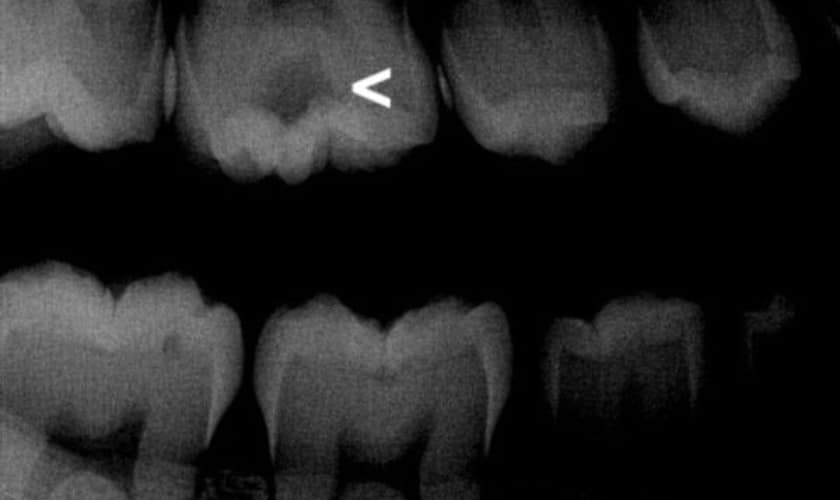
In the intricate tapestry of our oral health, cavities stand as elusive foes, often staging their attacks silently, unbeknownst to their victims. As we navigate the vast landscape of dental care, the significance of X-rays in uncovering the secrets of our teeth cannot be overstated. This journey into the hidden world of what cavities look like on an X-ray is a voyage of revelation. This voyage empowers us to understand, anticipate, and conquer the stealthy adversaries that threaten our radiant smiles.
What Causes Cavities in the First Place?
At the heart of the cavity formation lies a microscopic army of bacteria, with Streptococcus mutans being a chief architect of dental mischief. These bacteria reside naturally in our mouths, forming a biofilm, commonly known as plaque, on our teeth. When we consume sugars and starches, these bacteria metabolize them, producing acids as byproducts. It is these acids that launch the initial assault on our enamel—the protective outer layer of our teeth.
The enamel, although sturdy, is not impervious to the relentless acid attack. Over time, the acids erode the mineralized structure of the enamel, creating weak points in its defence. This erosion marks the early stages of cavity formation, as the enamel loses essential minerals like calcium and phosphate. Once these defenses are breached, the bacteria delve deeper into the tooth, progressing from the outer enamel to the dentin—the softer tissue beneath.
As the bacterial invasion continues, a cascade of events unfolds. The dentin, being less resilient than enamel, succumbs more readily to bacterial infiltration. The acids further exploit the weakened structure, creating microscopic openings that allow bacteria to penetrate deeper into the tooth’s core. This intricate dance of bacterial metabolism and enamel erosion sets the stage for the characteristic pitting and decay associated with cavities.
How Cavities Take Shape on X-Rays
When cavities take shape on X-rays, they manifest as enigmatic dark spots, hinting at the depth and extent of the underlying damage. Understanding the nuances of these visual cues is instrumental in the early detection and subsequent management of cavities. The shades of gray on the X-ray film become a language, narrating the story of tooth decay with remarkable precision.
The intensity of darkness in these spots directly correlates with the severity of the cavity. Shallow cavities may appear as faint shadows, a subtle whisper of trouble. These early indications, often missed in routine examinations, serve as early warning signs, prompting a closer inspection by vigilant dental professionals. Conversely, deeper cavities cast darker shadows, revealing a more advanced stage of decay that demands prompt intervention.
Moreover, the location of these dark spots on the X-ray provides crucial insights. Cavities situated on the biting surface of a tooth may differ in appearance from those nestled between teeth or along the root surfaces. This spatial information aids dentists in crafting personalized treatment plans, addressing the unique challenges posed by each cavity’s location.
Decoding the Shades: Understanding X-Ray Imaging of Cavities
On an X-ray film, the appearance of cavities is not a monochromatic revelation but a spectrum of shades that convey a wealth of information. The key to interpreting this visual language lies in understanding the variations in darkness, each shade revealing a different chapter in the saga of tooth decay.
Shallow cavities, in their infancy, often manifest as faint shadows on the X-ray. These subtle whispers of trouble may go unnoticed in routine examinations, underscoring the importance of meticulous scrutiny. While the shadows may be faint, they speak volumes about the early stages of enamel erosion and provide a critical window for intervention.
Beyond the Surface: Detecting Hidden Cavities
Conventional methods, while invaluable, may fall short in detecting cavities that escape the naked eye. The tight spaces between teeth, where hidden cavities often take refuge, pose a challenge for traditional examinations. These interproximal areas, obscured by neighboring teeth, become havens for microbial activity, leading to the formation of cavities that may remain unnoticed for extended periods.
To address these challenges, advanced imaging technologies emerge as formidable allies in the quest to uncover hidden cavities. Digital radiography, a modern iteration of traditional X-rays, enhances the precision of diagnosis by providing detailed images that can be manipulated for a closer examination. Digital radiography excels in revealing the subtlest changes in tooth structure, making it a valuable tool for detecting hidden cavities that might otherwise go unnoticed.
The Road to Recovery: Treatment Options for Cavities
Fluoride Treatments: In the early stages of cavity formation, when the damage is minimal, fluoride treatments can be remarkably effective. Fluoride, a natural mineral, helps to remineralize enamel, strengthening it and reversing the early signs of decay.
Dental Sealants: By creating a barrier against bacteria and food particles, sealants help prevent the formation of cavities. This proactive measure is especially valuable for individuals prone to decay in the deep grooves of their back teeth.
Dental Fillings: Modern fillings are composed of materials like composite resin or porcelain, providing durability and a natural appearance. The process involves removing the decayed portion of the tooth and filling the cavity with the chosen material, effectively restoring both form and function.
Extraction and Replacement: In cases of irreparable damage, tooth extraction may be unavoidable. However, the road to recovery continues. Missing teeth can be replaced through various options, including dental implants, bridges, or dentures.
Preventing the Unseen Menace: Tips for Cavity Prevention
Meticulous Oral Hygiene: The foundation of cavity prevention lies in a meticulous oral hygiene routine. Brushing your teeth at least twice a day with fluoride toothpaste is essential. Pay attention to proper technique, ensuring that each tooth surface is thoroughly cleaned. Complement brushing with regular flossing to remove plaque and debris from between teeth, where cavities often take root.
Regular Dental Check-ups: Dentists possess the expertise to spot the subtlest signs of cavities, often before symptoms manifest. Biannual check-ups facilitate proactive intervention, allowing for timely treatment and minimizing the potential for extensive dental issues.
Quit Smoking and Limit Alcohol: Tobacco use is a major contributor to oral health issues, including cavities and gum disease. Quitting smoking and limiting alcohol consumption are crucial steps in cavity prevention. These lifestyle changes not only benefit your teeth but also contribute to your overall well-being.
In the grand symphony of oral health, our journey through the unseen corridors of cavities on X-rays comes to a crescendo. We’ve ventured beyond the surface, decoding the shades of gray that hold the secrets of dental well-being. The dark spots on X-ray films once shrouded in mystery, now stand revealed as markers of potential trouble—beacons that guide us toward proactive care. So, let the shadows be illuminated, not just by the X-ray beams but by the brilliance of our commitment to oral health. The journey doesn’t end here—it extends into our daily habits, urging us to brush, floss, and visit our dentists regularly.