

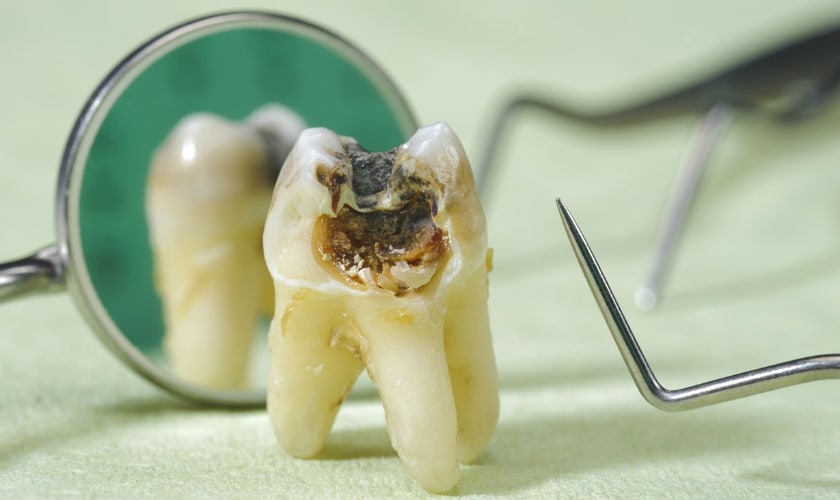
Are you curious about what a tooth cavity actually looks like? Well, look no further! In this blog post, we’re going to dive deep into the world of dental health and explore the intriguing realm of tooth cavities. Whether you’ve experienced one before or simply want to be prepared for any future encounters with these pesky little holes in your teeth, you’re in for a treat. So grab your dental mirror and let’s embark on this enlightening journey together!
What Is A Tooth Cavity?
A tooth cavity, also known as dental caries, is a common dental problem that affects people of all ages. It is essentially a hole or opening in the tooth caused by decay. The process starts when bacteria in the mouth produce acids that attack and weaken the enamel, which is the protective outer layer of the teeth.
As the enamel continues to break down, it creates small openings or cavities on the surface of the tooth. These cavities can vary in size and depth depending on how long they have been present and how quickly they are progressing.
Tooth cavities can be quite sneaky at times because they may not always cause noticeable symptoms in the early stages. However, as the decay progresses and reaches deeper layers of the tooth, you may start experiencing some discomfort or sensitivity to hot or cold foods and drinks.
Causes Of Tooth Cavitie
- Tooth cavities, also known as dental caries, are a result of tooth decay. They occur when the protective layer of the teeth, called enamel, gets damaged. Several factors can contribute to the development of tooth cavities.
- One common cause is poor oral hygiene. Failing to brush and floss regularly allows plaque to build up on the teeth. Plaque contains bacteria that produce acids when they come into contact with sugars from the food and drinks we consume. These acids gradually erode the enamel, leading to cavities.
- Another factor is diet. Consuming a lot of sugary foods and beverages provides an ideal environment for cavity-causing bacteria in our mouths. The longer these sugars stay on our teeth, the more damage they can do.
- A dry mouth or reduced saliva flow can also increase the risk of tooth decay since saliva helps wash away food particles and neutralize acid in our mouths.
- Furthermore, certain medical conditions and medications can affect oral health by reducing saliva production or altering its composition.
- Genetics plays a role too; some individuals may have naturally weaker enamel or deeper grooves in their teeth where bacteria can easily accumulate.
- Understanding these causes can help us make informed choices about maintaining good oral hygiene practices and making healthier dietary choices – both essential steps in preventing tooth cavities.
Symptoms Of A Tooth Cavity
- Detecting a tooth cavity early on is crucial in preventing further damage and potential tooth loss. While cavities can often develop without causing any noticeable symptoms, there are several signs to watch out for that may indicate the presence of a dental cavity.
- One common symptom is tooth sensitivity. If you experience discomfort or pain when consuming hot, cold, sweet, or acidic foods and beverages, it could be an indication of a cavity. Another symptom is localized toothache or spontaneous pain that occurs without any apparent cause.
- As the cavity progresses and reaches the inner layers of the tooth, you may notice visible discolouration or dark spots on the affected tooth. Additionally, you might observe small holes or pits on the surface of your teeth.
- Bad breath that persists despite regular oral hygiene practices can also be a sign of cavities. The decay caused by cavities releases foul-smelling gases as bacteria break down food particles trapped in crevices.
- If left untreated, cavities can lead to more severe symptoms such as swelling around the affected area and pus discharge indicating an infection. It’s essential to consult your dentist promptly if you experience any of these symptoms for proper diagnosis and treatment options tailored to your specific needs.
Diagnosis And Treatment Options
- When it comes to diagnosing a tooth cavity, your dentist will start by conducting a thorough examination of your mouth. They may use dental instruments like a mirror or an explorer to check for any visible signs of decay on the surface of your teeth. X-rays can also be helpful in detecting cavities between the teeth or beneath existing fillings.
- If a cavity is detected, treatment options will depend on the severity of the decay. In the early stages, when the cavity is small and hasn’t reached the inner layers of the tooth, a simple filling may be all that’s needed. The dentist will remove the decayed portion of the tooth and then fill it with either amalgam (silver) or composite resin material.
- However, if left untreated, cavities can progress deeper into the tooth and reach its pulp chamber where nerves and blood vessels reside. In such cases, more extensive treatments like root canal therapy may be necessary to save the affected tooth from extraction.
- For larger cavities that have weakened significant portions of a tooth’s structure, dental crowns are often recommended. These custom-made caps cover and protect what remains of the natural tooth while restoring its functionality.
- Remember that prevention is always better than cure when it comes to cavities! Regular dental check-ups combined with proper oral hygiene practices like brushing twice daily with fluoride toothpaste and flossing can go a long way in preventing cavities from forming in your teeth.
- By staying proactive about maintaining good oral health habits and addressing any potential issues early on through regular dental visits, you can keep those pesky cavities at bay! So take care of your pearly whites – they deserve it!
- Stay tuned for our next blog post where we’ll share some valuable tips on how you can prevent these dreaded little holes in your teeth from appearing!
Prevention Tips For Tooth Cavities
Maintaining good oral hygiene is crucial in preventing tooth cavities. Here are some simple yet effective tips to keep your teeth healthy and cavity-free.
1. Brush your teeth twice a day: Use fluoride toothpaste and brush your teeth for at least two minutes each time. Pay attention to all surfaces of your teeth, including the back molars.
2. Floss daily: Regular flossing helps remove plaque and food particles from between your teeth, where brushing alone may not reach.
3. Limit sugary snacks and drinks: Sugary foods and beverages provide fuel for bacteria that cause cavities. Opt for healthier options like fruits, vegetables, and water instead.
4. Avoid frequent snacking: Snacking throughout the day increases the exposure of your teeth to acids produced by bacteria. Try to limit snacking between meals.
5. Drink fluoridated water: Fluoride helps strengthen enamel, making it more resistant to acid attacks from bacteria. If your tap water is not fluoridated, consider using fluoride rinses or gels as recommended by your dentist.
6. Visit the dentist regularly: Schedule regular dental check-ups every six months for professional cleaning, examination, and early detection of any potential issues.
Taking care of your oral health is crucial to prevent tooth cavities. These small holes in your teeth can lead to pain, sensitivity, and even more serious dental issues if left untreated. By understanding what a tooth cavity looks like and being aware of the causes and symptoms, you can take proactive steps to maintain good oral hygiene.
Remember, tooth cavities are caused by plaque buildup on your teeth that leads to enamel erosion. Regular brushing, flossing, and dental check-ups are essential for preventing cavities. Additionally, maintaining a healthy diet low in sugary foods and drinks can significantly reduce the risk of developing cavities.
If you suspect you may have a cavity or experience any unusual symptoms such as toothache or sensitivity, it’s important to seek professional dental care promptly. Dentists will be able to diagnose the presence of a cavity through various methods such as visual examination, X-rays, or using special dyes.
Treatment options for tooth cavities include fillings or dental restorations depending on the severity of the decayed area. Your dentist will recommend the most appropriate treatment plan based on your individual needs.
Remember that prevention is always better than cure when it comes to tooth cavities! By following proper oral hygiene practices and making regular visits to your dentist, you can ensure that your smile remains healthy and free from these pesky little holes.
So keep those pearly whites sparkling bright – brush up on your knowledge about tooth cavities today!