
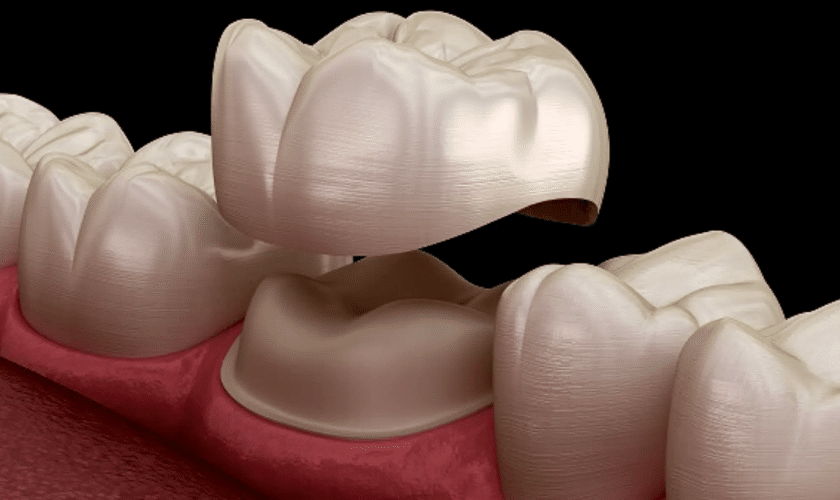
A dental crown serves as a protective cover for a damaged or weakened tooth, providing strength, support, and aesthetic improvement. However, unforeseen circumstances can lead to a broken dental crown, causing discomfort and requiring immediate attention. Understanding how to manage such a situation can be crucial. This comprehensive guide will walk you through essential steps to take if your dental crown breaks. With this informative blog, you’ll be able to ensure prompt care and expert restoration for optimal oral health.
Immediate Actions to Take
Retrieve the Broken Crown:
- Carefully locate the broken crown and handle it gently.
- Avoid applying pressure or attempting to fix it yourself.
- Keep it in a safe place.
Assess Tooth Sensitivity: Check if the tooth feels sharp or sensitive. If so, cover the exposed area with dental wax or temporary dental cement from a drugstore to protect it until you see your dentist.
Clean the Crown: Rinse the broken crown with lukewarm water to remove any debris or dirt. It’s crucial to maintain cleanliness to prevent any potential infection when reattaching it.
Contact Your Dentist Immediately: Reach out to your dentist right away to schedule an emergency appointment. Inform them about the situation and follow any specific instructions they provide.
Use Dental Wax or Temporary Cement: Apply dental wax or temporary dental cement available at pharmacies to cover the exposed area of the broken tooth. This will provide temporary protection until you see your dentist.
Avoid Eating on the Affected Side: To prevent further damage or dislodgement of the broken crown, avoid chewing food on the side of the affected tooth.
Special Care for Dental Crowns
- Use Recommended Oral Care Products: Use toothpaste and mouthwash specifically designed for dental work like crowns. These products help maintain the crown’s durability and prevent potential damage.
- Regular Examination of Crowns: Periodically check your dental crowns for any signs of damage or changes. Contact your dentist if you notice any chips, cracks, or abnormalities in the crown’s appearance.
Expert Restoration Options
Reattachment of the Crown
If the broken crown is intact and undamaged, your dentist may attempt to reattach it using specialized dental adhesive. The dentist carefully cleans the crown and the tooth, ensuring a proper fit before bonding it securely back in place.
Replacement of the Crown
In cases where the crown is severely damaged or cannot be reattached, your dentist might recommend a new crown. They will take impressions of your tooth to create a new custom-fitted crown that matches the shape, color, and size of your natural teeth.
Temporary Solutions
Your dentist may suggest a temporary crown while waiting for the fabrication of a permanent replacement. These temporary crowns provide protection and functionality until the permanent crown is ready for placement.
Long-Term Care and Prevention
Maintain Oral Hygiene Practices: Continue following good oral hygiene habits, including brushing, flossing, and using mouthwash regularly. Proper oral care helps prolong the lifespan of the new crown and prevents potential issues.
Avoid Habits That Can Damage Crowns: Refrain from chewing hard objects or sticky foods that can potentially damage or dislodge the crown. Protecting the crown by avoiding such habits ensures its longevity and functionality.
Regular Dental Check-ups: Schedule routine dental visits every six months for check-ups and professional cleanings. Regular visits help detect any potential issues early and maintain overall oral health.
Protect Crowns During Physical Activities: If you participate in sports or activities with a risk of dental injury, consider wearing a mouthguard. Mouthguards provide essential protection for both natural teeth and dental crowns.
Experiencing a broken dental crown can be unsettling, but prompt action and seeking professional dental care are crucial steps toward restoration. By following the immediate actions mentioned above and consulting your dentist for expert advice, you can effectively manage a broken dental crown. As a result, it will ensure your oral health remains in excellent condition. Remember, prioritizing regular dental check-ups and diligent oral hygiene practices are key to preventing such unforeseen situations in the future. Take charge of your oral health to maintain a confident and healthy smile.