

Blog Summary:
Not sure when wisdom teeth should be removed? This blog explains the right age, common signs, risks of waiting, and what the process looks like. You will also learn how timing can affect healing and why many patients in Chicago choose early evaluation.
Life in Chicago can get busy, and dental care is often something people delay until there is pain. Wisdom teeth are one of those things that may not seem urgent at first, but timing matters more than many people realize.
Some people never have problems with their wisdom teeth, while others deal with pain, swelling, or crowding. Knowing when to remove them can help you avoid discomfort and more serious issues later.
Ready for Relief? Schedule Your Visit Today!

Thanks for taking the time to learn more about when is the right time to remove wisdom teeth and how early care can make the process easier. We hope this guide helps you feel more confident about recognizing the signs and planning treatment at the right time.
At Wicker Park Dental Group, Dr. Krishna Gopisetty and Dr. Brandon Siaj are dedicated to making your experience as comfortable and stress free as possible. From your first evaluation to recovery, our team is here to guide you every step of the way with personalized care and clear communication.
If you have questions or think it might be time to remove impacted wisdom teeth, do not wait for discomfort to get worse. Schedule your consultation today and take the next step toward better oral health and peace of mind.
What Are Wisdom Teeth and Why Do They Matter
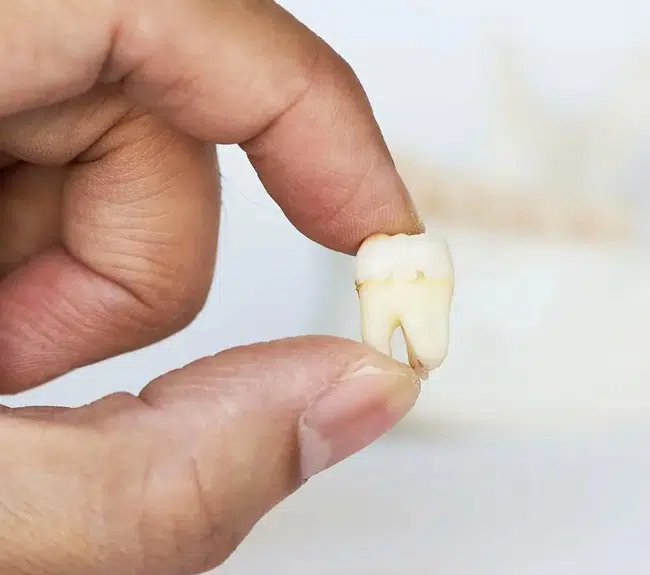
Wisdom teeth are the last set of molars that usually appear in your late teens or early twenties. They grow at the back of your mouth and often do not have enough space to come in properly.
Because of this, they may grow at an angle, stay trapped under the gums, or press against nearby teeth. These situations can lead to pain, infection, and other dental problems if not managed in time.
When Do Dentists Usually Recommend Removal
There is no single age that fits everyone, but many dentists suggest evaluating wisdom teeth between the ages of 16 and 25. At this stage, the roots are still forming, which can make removal easier and recovery faster.
After understanding early evaluation, many patients start thinking about treatment options when symptoms begin. In some cases, dentists may recommend removing wisdom teeth even before pain starts, especially if X-rays show that problems are likely in the future.
For patients who need to remove impacted wisdom teeth, early care can prevent complications like infections, damage to nearby teeth, and jaw discomfort.
Signs That It Might Be Time to Remove Them
Sometimes your body gives clear signs that your wisdom teeth need attention. You might feel pain at the back of your mouth, especially when chewing or opening your jaw.
Swelling in the gums, redness, or a bad taste in your mouth can also be signs of infection. Some people notice headaches or pressure in their jaw due to impacted teeth.
In other cases, there are no obvious symptoms. That is why regular dental visits are important, as your dentist can detect issues before they become painful.
Why Timing Makes a Difference
Removing wisdom teeth at the right time can make the process easier. Younger patients often heal faster because the bone is less dense and the roots are not fully developed.
Waiting too long can lead to more complex procedures. Impacted teeth may become harder to remove, and healing can take longer. There is also a higher chance of complications like infection or damage to nearby teeth.
For many people in Chicago, planning the procedure during a less busy time, such as a school break or time off work, helps with a smoother recovery.
As one satisfied patient shared-
I was experiencing severe pain due to my wisdom tooth. Wicker Park dental was able to set my appointment for the same day, the staff was extremely friendly and made me feel welcome, and they extracted my tooth with minimal discomfort. They are truly miracle workers! Dr. Bhagat deserves a medal 🙂 – J Evans
Don’t just take our word for it, explore our real patient Google reviews and see why so many people trust us with their care.
What Happens If You Wait Too Long
Delaying wisdom tooth removal can lead to several problems over time. Teeth that do not fully emerge can trap food and bacteria, increasing the risk of decay and gum disease.
They may also push against nearby teeth, causing crowding or shifting. This can affect the alignment of your smile, even if you have had orthodontic treatment before.
In some cases, cysts or damage to the jawbone can develop around impacted teeth. These issues are less common but can become serious if not treated.
Dealing with pain or decay in the back of your mouth and wondering what to do next? Check out our detailed guide on what to do if your wisdom tooth has a cavity to understand your treatment options and next steps.
What the Removal Process Looks Like
The process usually starts with an exam and X-rays to understand the position of your wisdom teeth. Your dentist will explain whether removal is needed and what to expect.
During the procedure, the area is numbed to keep you comfortable. In more complex cases, sedation may be used. The tooth is then carefully removed, and the area is cleaned.
After the procedure, you may experience mild swelling or discomfort for a few days. Following care instructions, such as resting and eating soft foods, helps support healing.
Recovery and Aftercare
Recovery is different for everyone, but most people return to normal activities within a few days. Swelling usually peaks within the first two days and then improves.
Keeping the area clean, avoiding hard foods, and following your dentist’s advice can help prevent complications. It is also important to attend follow-up visits if recommended.
Many patients are surprised that recovery is manageable when they follow instructions closely.
A Local Option for Wisdom Teeth Care
For patients in Chicago, having a dental team that explains the process clearly can make the experience feel less stressful. At Wicker Park Dental Group, patients receive guidance from the initial evaluation through recovery.
Our team uses imaging to assess how wisdom teeth are positioned and whether removal is needed. For cases where impacted teeth may cause future issues, we focus on planning treatment at the right time to reduce discomfort and support smoother healing. When it is necessary to remove impacted wisdom teeth, careful planning and follow-up care help patients feel more comfortable throughout the process.
Conclusion
So, when is the best time to remove your wisdom teeth? For many people, the answer is before they start causing problems. Early evaluation and timely treatment can help you avoid pain and protect your overall oral health.
If you are unsure about your wisdom teeth, a simple checkup can give you the clarity you need. Taking action at the right time can make a big difference in your comfort and long-term dental health.
FAQs
How do I know if my wisdom teeth need to be removed?
If you feel pain, swelling, or pressure in the back of your mouth, or if your dentist sees potential issues on X-rays, removal may be recommended.
What age is best for wisdom teeth removal?
Many people have them evaluated in their late teens or early twenties, when healing is usually easier.
Can I keep my wisdom teeth if they do not hurt?
Yes, if they are healthy and properly aligned, they may not need removal. Regular checkups help monitor them.
How long does recovery take after removal?
Most people recover within a few days, though complete healing may take a couple of weeks.
What should I eat after wisdom teeth removal?
Soft foods like yogurt, soup, and mashed potatoes are recommended during the first few days to avoid irritation.