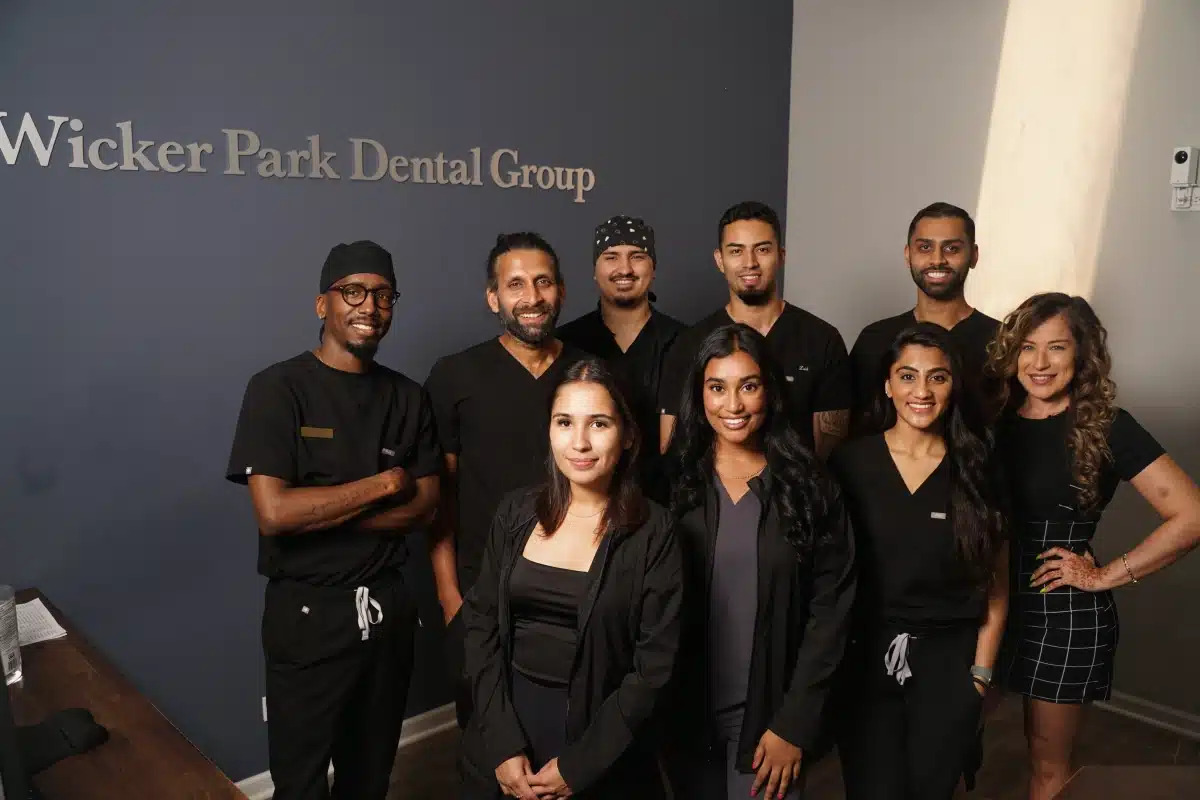

Here is a simple truth most East Garfield Park residents learn the hard way. Skipping a routine cleaning to save money often leads to much bigger bills down the road. Understanding why your $500 cleaning now beats a $3,000 root canal later East Garfield Park is genuinely life-changing. Dr. Brandon Siaj and the team at Wicker Park Dental Group have seen this pattern repeat itself countless times.
Preventive care is not just about clean teeth. It is about protecting your wallet, your health, and your time. This article breaks down the real numbers and real consequences so you can make a smarter choice.
The True Cost of Skipping Routine Dental Cleanings in East Garfield Park
A professional teeth cleaning typically costs between $90 and $500 depending on your specific needs. That investment covers plaque removal, tartar scaling, a full oral exam, and early detection of problems. Catching a cavity early means a simple filling — usually $100 to $300. That is still far less than what comes next if you wait.
When a cavity goes untreated, bacteria reach the inner pulp of your tooth. At that stage, a root canal becomes necessary. Root canal treatment in the Chicago neighborhood often runs between $1,000 and $3,000 before adding a crown. A crown alone can cost another $1,000 to $1,500.
The math is not complicated. One skipped cleaning can trigger a chain of treatments that costs five to ten times more. East Garfield Park families working hard to manage budgets deserve to know this reality upfront.
Prevention vs. Treatment: What the Numbers Actually Show
Let us compare common dental scenarios side by side so the difference is crystal clear.
- Routine cleaning: $90–$500 — removes plaque, prevents decay
- Small filling: $100–$300 — fixes early cavity caught at a cleaning
- Root canal + crown: $2,000–$4,500 — treats untreated decay that reached the pulp
- Tooth extraction + implant: $3,000–$5,000+ — replaces a tooth lost to advanced infection
- Gum disease treatment (scaling and root planing): $500–$1,600 — treats preventable gum disease
Every number on the treatment side of that list is preventable with consistent preventive care. Dr. Siaj emphasizes that most dental emergencies do not appear out of nowhere. They grow slowly from problems that a cleaning and exam could have caught early.
Preventive care also saves you time. A cleaning takes about an hour. A root canal requires multiple visits and recovery time. For working East Garfield Park residents, that lost time has its own real cost.
What Happens Inside Your Mouth When You Skip Cleanings
Most people brush and floss at home, but home care alone cannot remove hardened tartar. Tartar bonds to tooth enamel and harbors bacteria. Only professional tools remove it safely and completely.
When tartar builds up along the gumline, inflammation follows. That inflammation is the start of gingivitis. Left untreated, gingivitis progresses into periodontitis — a serious gum disease that destroys bone and tissue. Periodontitis is a leading cause of adult tooth loss in the United States.
Bacteria from gum disease also enter the bloodstream. Research links untreated gum disease to increased risk of heart disease, diabetes complications, and stroke. Preventive dental visits protect far more than just your smile.
Dr. Siaj performs a thorough oral exam at every cleaning visit. He screens for cavities, gum disease, signs of oral cancer, and jaw issues. Catching any of these early changes the outcome dramatically — and keeps treatment costs manageable.
Why East Garfield Park Patients Delay Care and How to Change That
Dental anxiety is one of the most common reasons patients avoid the dentist. Many East Garfield Park residents grew up with difficult dental experiences. Fear of pain, fear of bad news, or simply not knowing what to expect keeps people away.
Wicker Park Dental Group offers sedation dentistry to help anxious patients feel completely comfortable. You do not have to white-knuckle your way through an appointment. Sedation options allow patients to relax fully while Dr. Siaj completes their care.
Cost concern is another major barrier. It feels counterintuitive to spend money now when nothing obviously hurts. But pain is a late signal in dental disease. By the time a tooth hurts, the problem is usually serious — and expensive.
Scheduling also matters. Wicker Park Dental Group makes it straightforward to book appointments that fit a busy lifestyle. Removing logistical barriers means East Garfield Park patients actually get the care they need before problems escalate.
Building a Preventive Care Routine That Protects Your Investment
The American Dental Association recommends two professional cleanings per year for most adults. Some patients with higher risk for gum disease or decay may benefit from three or four visits annually. Dr. Siaj will recommend the right schedule based on your individual oral health.
Between visits, a strong at-home routine makes a measurable difference. Here are the key habits that support your preventive care:
- Brush for two full minutes twice daily using fluoride toothpaste
- Floss once daily to remove plaque between teeth
- Drink water throughout the day to rinse away bacteria and acid
- Limit sugary and acidic foods and beverages
- Replace your toothbrush every three to four months
- Schedule your next cleaning before you leave your current appointment
These habits cost almost nothing. Combined with regular professional care, they dramatically reduce your lifetime dental expenses. Patients who maintain consistent preventive routines rarely face the big-ticket treatments that derail budgets.
Wicker Park Dental Group also offers cosmetic services for patients who want to enhance their smile once their oral health is strong. Options like Invisalign For Teens give younger patients a path to straighter teeth without sacrificing oral health. For families curious about the process, our Invisalign Faqs page answers the most common questions in plain language.
Take Action Before a Small Problem Becomes a Big One
East Garfield Park residents have a clear, affordable choice available right now. A routine cleaning at Wicker Park Dental Group is the single highest-return investment you can make in your oral health. It prevents pain, protects your wallet, and gives Dr. Siaj the chance to catch any issue while it is still easy to treat.
Do not wait for a toothache to remind you. Toothaches mean the damage is already done. The goal is to never reach that point in the first place.
Your smile is worth protecting today. Book Now to schedule your appointment with our team.
Frequently Asked Questions
How often should I get a professional dental cleaning?
Most adults benefit from two professional cleanings per year. Patients with a history of gum disease or frequent cavities may need more frequent visits. Dr. Siaj will recommend the right schedule based on your specific oral health needs.
What does a routine dental cleaning actually include?
A professional cleaning at Wicker Park Dental Group includes tartar and plaque removal, polishing, flossing, a full oral exam, and screening for cavities, gum disease, and oral cancer. The entire appointment usually takes about one hour.
Why does a root canal cost so much more than a cleaning?
A root canal requires removing infected pulp tissue from inside the tooth, sealing the root canals, and typically placing a protective crown afterward. This multi-step process involves more time, specialized materials, and clinical expertise than a preventive cleaning — which is why the cost difference is so significant.
Is sedation dentistry available for anxious patients?
Yes. Wicker Park Dental Group offers sedation dentistry options for patients who feel anxious or fearful about dental visits. Dr. Siaj and the team take patient comfort seriously and will discuss which sedation approach is right for you before your appointment.
Can gum disease really be prevented with regular cleanings?
In most cases, yes. Professional cleanings remove the tartar buildup that causes gum inflammation and infection. When combined with consistent at-home brushing and flossing, regular cleanings dramatically reduce the risk of developing serious gum disease that requires costly treatment.