
Chicago alone sees hundreds of new oral cancer cases every year, typically too late. Oral cancers are detected by routine dental examinations long before symptoms become severe. Early warning signs are discovered by dentists with regular examinations, even when patients are in perfect health.
Oral cancers can develop undetected without noticeable pain, unlike other diseases. That is why your dentist really can be your first line of defense against cancer.
What Is Oral Cancer and Why Should You Care?
Oral cancer is a dangerous tumor in areas like the tongue, lips, cheek, or palate. It can develop inside the mouth or even beneath the tongue and jaw. If you leave it untreated, oral cancer can quickly spread to lymph nodes and vital organs.
The tongue and floor of the mouth are two of the most involved areas. Cancers in these areas can impede speaking, chewing, and quality of life. If untreated, survival rates drop in advanced stages of oral cancer.
A professional dentist in Chicago can detect potential signs before they create an issue during routine checkups. The best chance for successful, life-saving treatment is through early detection.
In Chicago, awareness and routine checkups remain the solution to avoiding oral cancer early. Prevention and rapid response begin in your local dental office.
Early Warning Signs of Oral Cancer
Painless Bumps or Sores That Won’t Heal
A long-lasting sore for more than two weeks may be a sign of oral cancer development.
Red or White Patches on the Mouth
Red or white patches on the mouth typically reflect abnormal cell growth related to oral cancer.
Pain or Numbness That Lasts
Permanent numbness or pain may reflect nerve-related oral cancer symptoms.
Trouble Swallowing or Speaking
Speaking or swallowing issues may be due to the progressive development of oral cancer.
These signs can be missed unless a dentist performs a thorough oral exam.
How Your Chicago Dentist Screens for These Signs
Oral Cancer Screening on Routine Exams
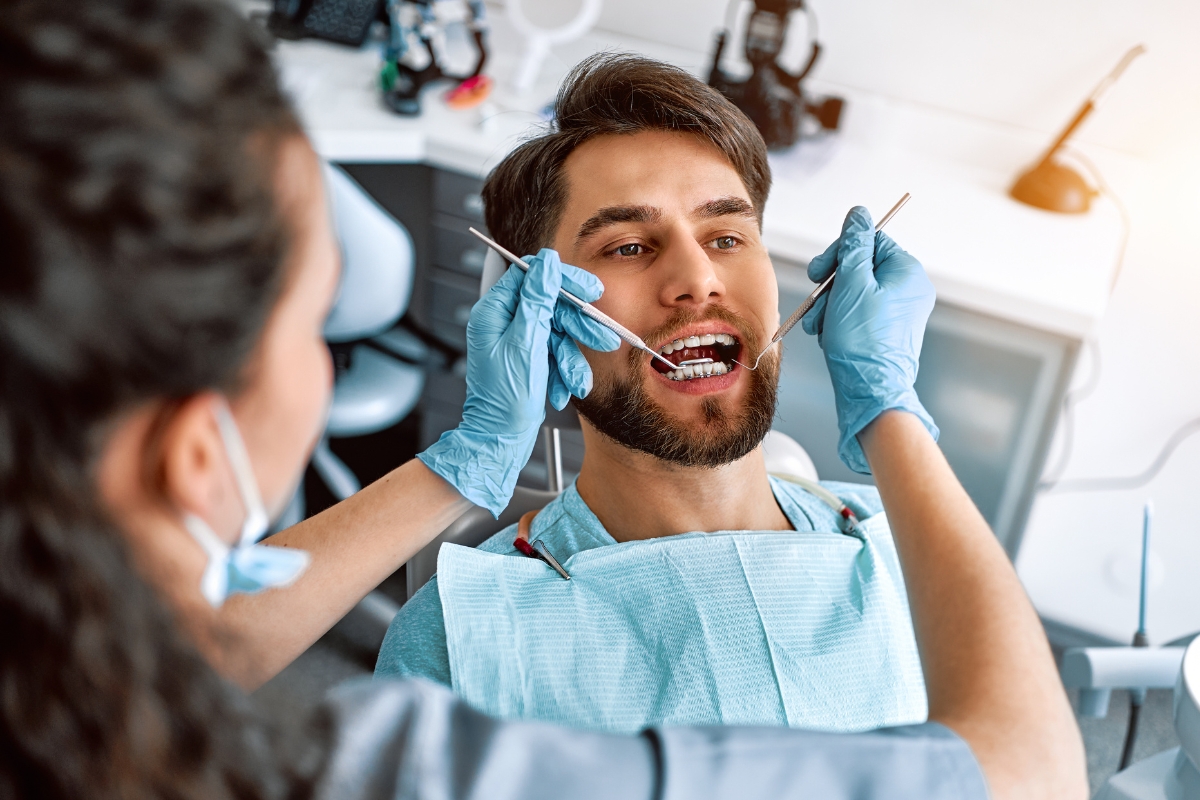
Soft tissues are also visually inspected and manually checked for bumps and soreness by dentists. Your tongue, cheeks, throat, lips, and jaw are checked for oral cancer symptoms. A thorough screening only takes a few minutes. However, it can save lives with early identification.
Health History and Lifestyle Habits Review
Professional dentists ask about alcohol use, smoking, exposure to HPV, or sun exposure on the lips. This information helps them assess the risk of oral cancer and tailor follow-up accordingly. Chronic changes can significantly reduce risks with the addition of professional guidance from dentists.
Referral to Experts When Needed
If there is something unusual, your dentist refers you to an oral surgeon or specialist. Referral early is what allows one to undergo immediate biopsy and diagnosis of suspected oral cancer lesions. Chicago providers work with specialists to provide precise, timely care when needed.
Why Six-Month Dental Visits Are Life-Saving
Six-month dental visits effectively raise your chances of catching oral cancer early. Numerous dentists are taught to detect suspicious tissue changes or lesions. They understand how oral cancer develops and what subtle signs need attention.
A familiar dentist also catches changes over time that others may not. Long-term relationships with suppliers encourage consistent, vigilant oral cancer screening.
Reducing Your Chances of Getting Oral Cancer
You need to quit all forms of tobacco to reduce oral cancer risk dramatically. Also, limit alcohol use, especially when combined with tobacco exposure. Moreover, you can apply lip sunscreen to protect against UV radiation that increases oral cancer risk.
Practice good oral hygiene with brushing, flossing, and regular visits to your dentist. You can get an HPV vaccine, an increase in oral cancer among young adults. You must be aware of any lingering soreness, swelling, or color changes in your mouth.
Your Chicago dentist is key to identifying oral cancer before it becomes widespread. Regular checkups catch early signs when treatment is still very effective.
Take care of yourself. You should not wait for pain to alert you. Schedule a full dental exam today with us to safeguard your smile and overall health.