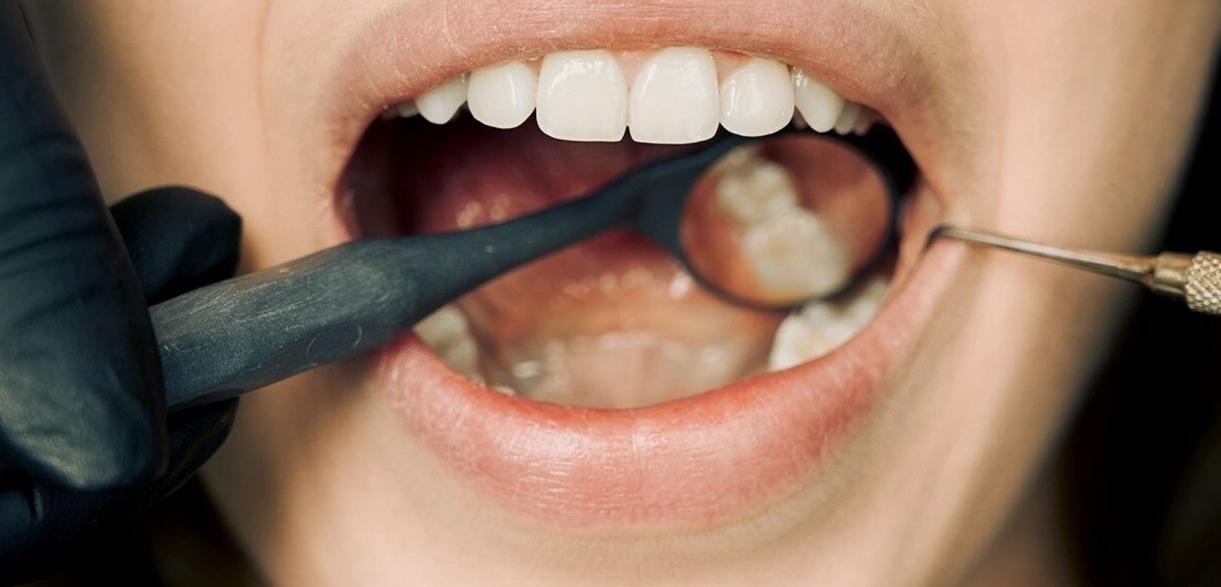


Tooth extraction is a common dental procedure that involves removing a tooth from its socket in the jawbone. While it might sound daunting, modern dental practices have made this procedure as painless and efficient as possible. However, proper care and preparation are crucial to ensure a smooth recovery and prevent complications. Here are five essential tips for tooth extraction that you need to know.
1. Understand When Extraction is Necessary
Before diving into the specifics of aftercare, it’s important to understand when and why a tooth extraction might be necessary. Dentists recommend extraction in several cases: severe decay, infection, overcrowding, or in preparation for orthodontic treatment. Impacted wisdom teeth, which are unable to emerge normally, are also common candidates for removal. Understanding the reasons behind the need for an extraction can help ease any anxiety about the procedure.
2. Prepare Properly Before the Procedure
Preparation is key to a successful tooth extraction. Here are a few steps you can take:
- Discuss your medical history with your dentist, including any medications you are taking and any known allergies. This information can prevent complications during and after the procedure.
- Avoid certain medications and supplements that can increase bleeding, such as aspirin or fish oil, several days before the extraction.
- Arrange for transportation if you will be sedated during the procedure. It’s unsafe to drive immediately after sedation, and you’ll need someone to help you get home safely.
- Eat a good meal before the procedure if you’re going to be awake, but follow the dentist’s guidelines if sedation is involved. Generally, fasting is required for six to eight hours before sedation.
3. Follow the Aftercare Instructions Diligently
Post-extraction care is crucial to heal quickly and effectively. Your dentist will provide specific instructions, which might include:
- Bite down on a gauze pad for 30-45 minutes after the extraction to allow a clot to form in the socket. Changing the gauze pad frequently is important if it becomes soaked with blood.
- Apply ice to the affected side of the face to reduce swelling. Do this for 10 minutes on, then 10 minutes off, for the first 24 hours.
- Avoid activities that can dislodge the clot in the days following surgery, such as spitting forcefully, using straws, or smoking. These activities can lead to a painful condition known as dry socket.
- Eat soft foods like yogurt, pudding, soup, and applesauce. Gradually reintroduce solid foods as the extraction site heals.
- Practice good oral hygiene, but avoid brushing directly at the extraction site for the first few days. You can rinse your mouth gently with warm salt water several times a day to reduce swelling and relieve pain.
4. Manage Pain and Swelling Effectively
Pain management is an important aspect of recovery. Your dentist might prescribe pain relievers, or you can use over-the-counter options like acetaminophen or ibuprofen. Follow the dosage instructions carefully. Remember, managing pain not only makes you more comfortable but also helps you heal by allowing you to eat and sleep better.
5. Watch for Signs of Complications
While complications from tooth extractions are rare, it’s important to be vigilant and recognize signs that may indicate a problem:
- Persistent pain that doesn’t improve with medication after the first few days might be a sign of dry socket or infection.
- Significant swelling that worsens after two or three days can indicate an infection or other issues.
- Fever, chills, or excessive discharge from the extraction site are also signs that require immediate attention from your dentist.
In conclusion, tooth extraction, though intimidating, can be a straightforward and relatively pain-free process with the right preparation and care. By understanding when extraction is necessary, preparing adequately, following aftercare instructions, managing pain and swelling, and being aware of potential complications, you can ensure a smooth recovery. Always maintain open communication with your dentist before and after the procedure to address any concerns or symptoms you may experience. This proactive approach can lead to better dental health and peace of mind.