
Tooth pain has a way of showing up at the worst possible time. Maybe you’re out enjoying deep-dish pizza in Chicago, walking along the lakefront, or just trying to get through a busy workday in the Loop when a sudden ache hits. It might start as a dull discomfort and quickly turn into something that’s hard to ignore.
In a city that never really slows down, dealing with dental pain can feel even more stressful. Late-night toothaches, weekend discomfort, or pain during a packed schedule are more common than people think. And while your first thought might be to find a dentist right away, there are moments when that’s not immediately possible.
That’s where simple at-home remedies can help. They won’t fix the root problem, but they can take the edge off until you’re able to get proper care. In fact, many natural methods like saltwater rinses or cold compresses are known to provide short-term relief by reducing inflammation and numbing the area .
In this guide, you’ll learn a few easy, practical ways to manage dental pain at home so you can stay comfortable until you’re able to visit a dentist.
Ingredients You’ll Need:
- Clove Oil
- Salt
- Peppermint Tea Bags
- Garlic
- Hydrogen Peroxide
- Ice Pack
- Vanilla Extract
Method:
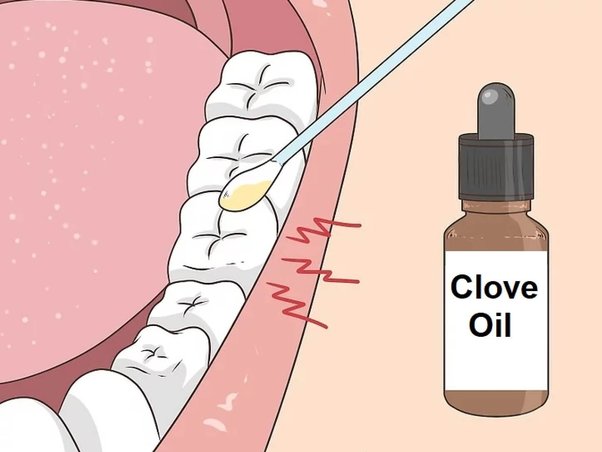
- Clove Oil:
- Clove oil contains eugenol, a natural anesthetic, and antiseptic properties that can help relieve toothache.
- Soak a cotton ball in clove oil and apply it directly to the affected tooth or gum area.
- Alternatively, you can mix a few drops of clove oil with a teaspoon of olive oil and apply it with a cotton ball.
- Be cautious not to apply clove oil directly to the gums as it may cause irritation.
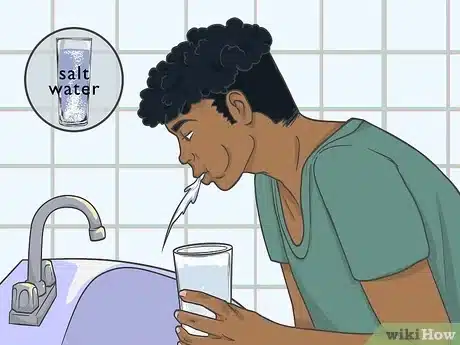
- Saltwater Rinse:
- Saltwater can help reduce inflammation and kill bacteria in the mouth, providing temporary relief from dental pain.
- Mix half a teaspoon of salt in a glass of warm water and use it as a mouthwash, swishing it around in your mouth for about 30 seconds before spitting it out.
- Repeat this process several times a day, especially after meals and before bedtime.
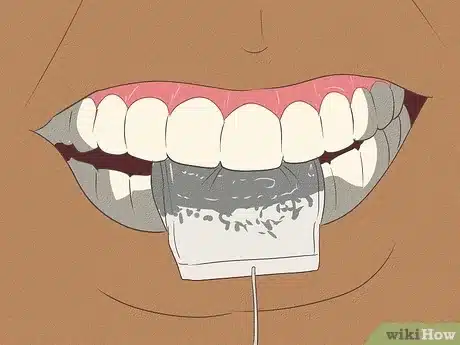
- Peppermint Tea Bags:
- Peppermint tea bags can help numb the pain and reduce inflammation due to their natural numbing properties.
- Steep a peppermint tea bag in hot water for a few minutes.
- Allow the tea bag to cool down until it’s warm but comfortable to touch.
- Place the tea bag directly on the affected area for 20-30 minutes.
- Garlic:
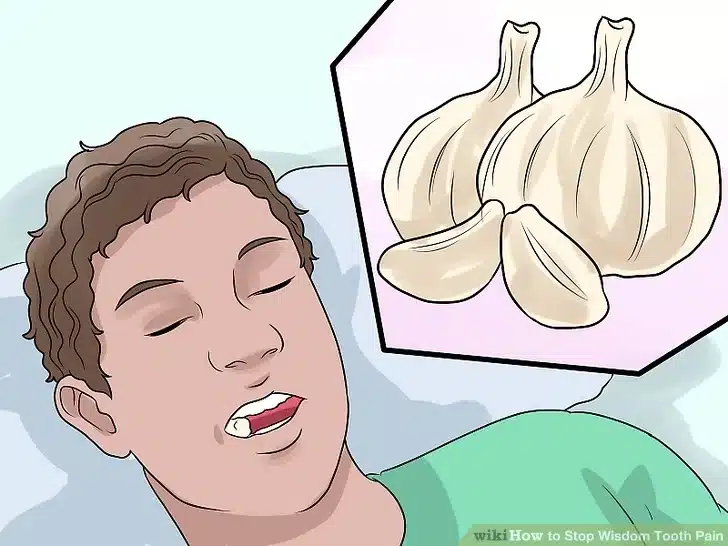
- Garlic has antimicrobial and analgesic properties that can help alleviate dental pain and fight infection.
- Crush a garlic clove to release its juices.
- Apply the crushed garlic directly to the affected tooth or gum area.
- Leave it on for a few minutes before rinsing your mouth with warm water.
- Hydrogen Peroxide Rinse:
- Hydrogen peroxide can help kill bacteria and reduce inflammation in the mouth.
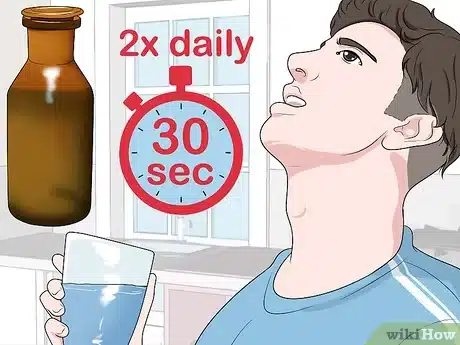
- Mix equal parts of hydrogen peroxide and water to create a mouthwash solution.
- Swish the solution around in your mouth for 30 seconds before spitting it out.
- Be sure not to swallow the solution, and avoid using it for an extended period as it may cause irritation.
- Ice Pack:
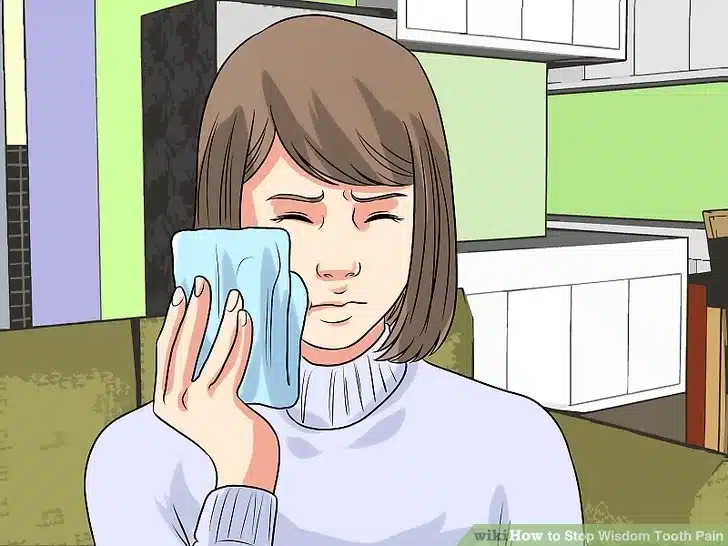
- Applying an ice pack to the outside of your cheek can help numb the pain and reduce swelling.
- Wrap a few ice cubes in a cloth or towel and hold it against the affected area for 15-20 minutes.
- Repeat this process every few hours as needed.
- Vanilla Extract:
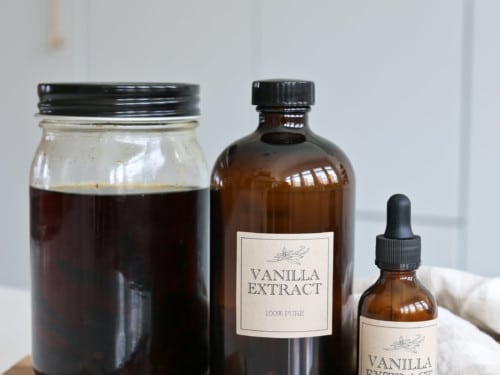
- Vanilla extract contains alcohol, which can help numb the pain temporarily.
- Soak a cotton ball in vanilla extract and apply it directly to the affected tooth or gum area.
- You can also dip a cotton swab in vanilla extract and apply it to the painful area.
Conclusion:
These homemade dental pain relief remedies can provide temporary relief from toothache and gum pain in emergency situations. However, it’s important to remember that these remedies are not substitutes for professional dental care. If you’re experiencing severe or prolonged dental pain, it’s crucial to seek the advice of a dentist as soon as possible.
If you are dealing with sudden pain and looking for an emergency dentist in Chicago, getting prompt professional care can help prevent the problem from becoming more serious.
Article Sources: WikiHow
Medical Disclaimer:
The information provided in this article is not meant to replace guidance from a healthcare professional. Before initiating, altering, or discontinuing any healthcare regimen, it’s important to consult with your doctor or another qualified healthcare provider.
FAQs: Homemade Dental Pain Relief Remedies
Can I rely on home remedies instead of seeing a dentist?
No, home remedies are only for temporary relief. Tooth pain usually means there is an underlying issue that needs proper treatment.
How long do these natural remedies actually work?
Most remedies provide short-term relief, usually a few hours. If the pain keeps coming back or gets worse, it is a sign you need dental care.
Is it safe to use clove oil directly on my tooth?
Yes, but it should be used carefully and in small amounts. Applying too much or placing it directly on the gums can cause irritation.
What should I do if my tooth pain gets worse at night?
Try using a cold compress and avoid lying flat. Keeping your head slightly elevated can help reduce pressure and discomfort.
Can I use hydrogen peroxide every day for pain relief?
It should not be used frequently. Occasional use is fine when diluted, but overuse may irritate your gums and soft tissues.
Why does my tooth still hurt even after trying these remedies?
Because these methods do not fix the root cause. Pain can come from decay, infection, or damage that needs professional treatment.
Is it okay to use garlic for tooth pain?
Garlic can help due to its antibacterial properties, but it may cause a burning sensation in some people, so use it carefully.
When should I stop trying home remedies and call a dentist?
If pain lasts more than a day or two, or if you notice swelling, fever, or difficulty eating, you should seek dental care as soon as possible.
Can these remedies help with gum pain as well?
Yes, some remedies like saltwater rinses and cold compresses can help reduce gum inflammation and discomfort.
What is the safest first step when I suddenly get a toothache?
Start with a saltwater rinse and avoid chewing on that side. These are simple and safe ways to manage discomfort until you get proper care.