
Quick Summary:
Dental emergencies can happen anytime, whether you are at home, at work in downtown Chicago, or enjoying a weekend near Wicker Park. This blog explains the most common dental emergencies, what steps you should take right away, what not to do, and when to call a dentist. You will also learn simple prevention tips and how quick action can protect your teeth and reduce pain.
A sudden toothache or broken tooth can turn a normal day into a stressful one. Dental emergencies often happen without warning. You might bite into something hard, slip on icy Chicago sidewalks in winter, or wake up with severe tooth pain.
Knowing what to do in those first few minutes can make a big difference. Acting quickly may save your tooth, reduce infection risk, and prevent more serious problems.
Let’s walk through the most common dental emergencies and how to handle them calmly and safely, especially when you are facing a dental emergency that require quick action.
Common Dental Emergencies and the Right Steps to Take Immediately
Severe Toothache
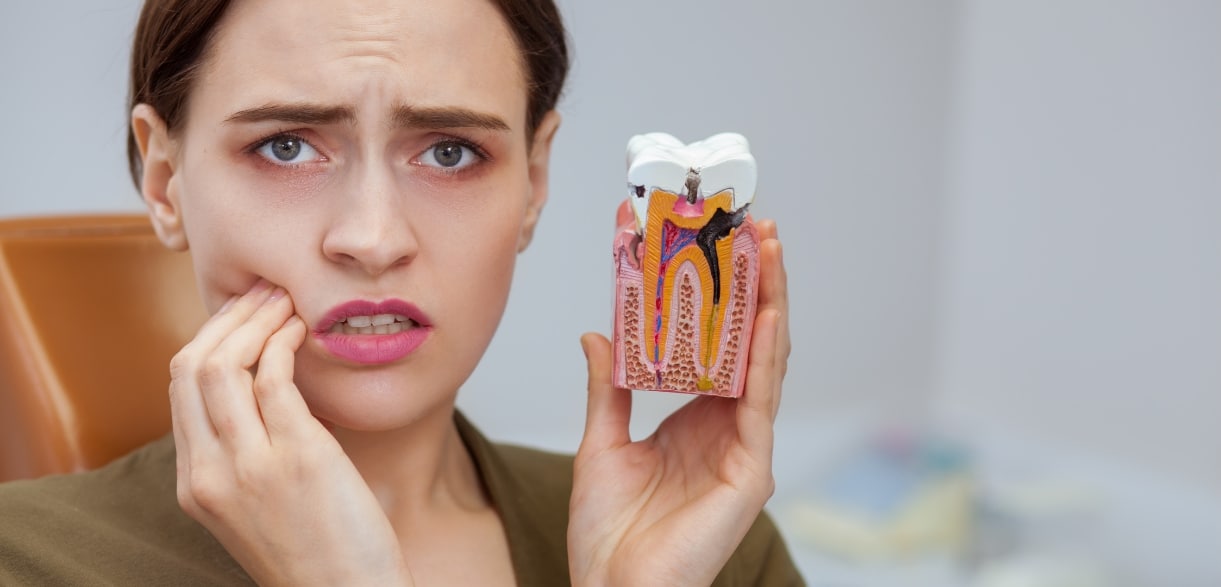
A toothache is one of the most common dental emergencies. Pain can range from mild discomfort to sharp, throbbing pain that keeps you up at night.
Tooth pain may be caused by:
- Tooth decay
- Infection
- A cracked tooth
- Gum problems
What You Should Do
Rinse your mouth with warm water. Gently floss to remove any food stuck between teeth. If there is swelling, place a cold compress on the outside of your cheek for short intervals.
Avoid putting aspirin directly on your tooth or gums. This can irritate the tissue.
If the pain is strong or lasts more than a day, call a dentist as soon as possible.
Knocked-Out Tooth
A knocked-out tooth is a true emergency. This often happens during sports, falls, or accidents. In a busy city like Chicago, bike accidents or slips during icy weather can lead to dental injuries.
What You Should Do Immediately
Pick up the tooth by the crown, not the root. Rinse it gently with water if it is dirty. Do not scrub it.
If possible, try placing the tooth back into the socket. If that is not possible, keep it in a container of milk or saliva. The key is to keep it moist.
You should see a dentist within 30 to 60 minutes. Quick action increases the chance of saving the tooth.
Cracked or Broken Tooth
Biting into hard foods like popcorn kernels or hard candy can crack a tooth. You may notice pain when chewing or sensitivity to hot and cold.
What You Should Do
Rinse your mouth with warm water. If there is swelling, use a cold compress. Save any broken pieces if you can.
Avoid chewing on that side of your mouth. Even small cracks can grow larger if left untreated.
Lost Filling or Crown
If a filling or crown falls out, your tooth may feel sensitive or uncomfortable.
What You Should Do
Keep the crown if you find it. Avoid chewing on that side. You can use temporary dental cement from a pharmacy if needed, but this is only a short-term solution.
A dentist needs to repair or replace it to prevent further damage.
Dental Abscess
An abscess is a serious infection around the tooth root or in the gums. Symptoms may include:
- Severe pain
- Swelling in the face or jaw
- Fever
- A bad taste in the mouth
An abscess should never be ignored. Infection can spread to other parts of the body.
Rinse with mild salt water and contact a dentist immediately. Do not try to drain it yourself.
Soft Tissue Injuries
Injuries to the lips, cheeks, tongue, or gums can bleed heavily.
Apply gentle pressure with clean gauze or cloth. A cold compress can help reduce swelling. If bleeding does not stop after 10 to 15 minutes, seek urgent care.
When Is It a Real Emergency?
Some situations require immediate attention, while others can wait for a scheduled visit.
Call a dentist right away if you have:
- Severe pain
- A knocked-out tooth
- Swelling in your face
- Signs of infection
- Heavy bleeding
At Wicker Park Dental Group, emergency dentistry services are available for dental emergencies that require quick action. Their emergency care page explains how fast treatment can help relieve pain, treat infection, and restore damaged teeth before problems become worse.
How to Prevent Dental Emergencies
While not all emergencies can be avoided, many can be prevented.
- Wear a mouthguard during sports.
- Avoid chewing ice or very hard foods.
- Do not use your teeth to open packages.
- Keep up with regular dental checkups.
Chicago residents with busy schedules often delay routine visits. However, small problems caught early can prevent larger emergencies later.
If you commute daily on the CTA or enjoy Chicago’s food scene, protecting your teeth during everyday activities is important.
What Many People Do Not Know
- A knocked-out adult tooth can sometimes be saved if treated quickly.
- A small crack can lead to infection if ignored.
- Swelling in the face can signal a serious infection.
- Pain that comes and goes can still indicate a deeper issue.
Dental pain is not something to “wait out.” Early care can reduce the need for more complex treatment.
Why Acting Fast Matters
Infections can spread quickly. Damage to teeth can worsen within hours or days. The sooner you get help, the more options you may have to save your tooth.
Whether you live in Wicker Park, Bucktown, or work near downtown Chicago, having a trusted dental office to call during emergencies brings peace of mind.
When You Need Immediate Dental Care
If you are facing a dental emergency that requires quick action, contacting a local dental office promptly is important. Wicker Park Dental Group provides emergency dental care in Chicago to address pain, broken teeth, infections, and other urgent concerns.
Quick treatment can protect your smile, reduce discomfort, and prevent complications.
Final Thoughts
Dental emergencies are stressful, but knowing what steps to take can help you stay calm and protect your oral health. From toothaches to knocked-out teeth, quick action makes a real difference.
If you ever find yourself dealing with sudden dental pain or injury in Chicago, do not ignore it. Reach out to a dental professional right away and take control of the situation before it becomes more serious.