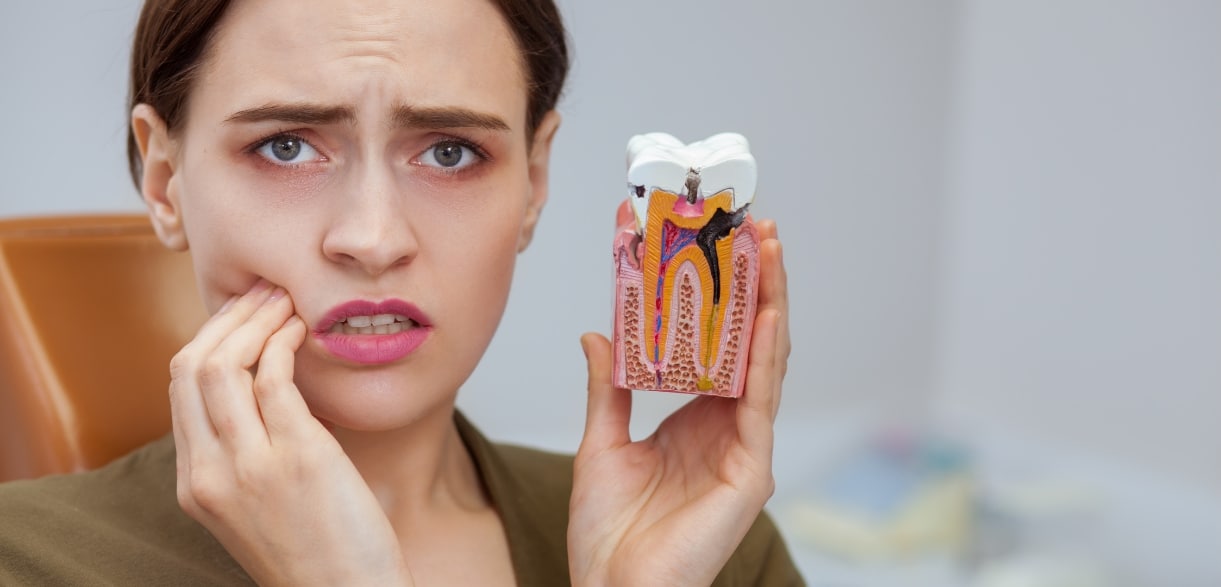


A cracked tooth can be a painful and alarming dental emergency. Whether it’s caused by biting into something hard, a fall, or an accident, a cracked tooth requires prompt attention to prevent further damage and alleviate discomfort. This is where an emergency dentist comes into play. In this comprehensive guide, we’ll explore how an emergency dentist can fix a cracked tooth, from the initial diagnosis to various treatment options.
Understanding Cracked Teeth: Types and Causes
Before diving into how an emergency dentist can treat a cracked tooth, it’s essential to understand the different types of cracks and what causes them. Cracks in teeth can vary in severity, and the treatment approach will depend on the specific type and location of the crack.
1. Types of Cracked Teeth
- Craze Lines: These are tiny, superficial cracks that only affect the outer enamel. Craze lines are common and usually do not require treatment as they don’t cause pain or structural issues.
- Fractured Cusp: This occurs when a piece of the tooth’s chewing surface breaks off. It’s often painless because it typically doesn’t affect the pulp (the inner part of the tooth containing nerves and blood vessels).
- Cracked Tooth: A crack that extends from the chewing surface down towards the root. If left untreated, the crack can worsen and affect the entire tooth, potentially leading to tooth loss.
- Split Tooth: A split tooth occurs when a crack travels from the surface to the root, effectively splitting the tooth into two segments. This type of crack usually requires more extensive treatment or extraction.
- Vertical Root Fracture: This type of crack starts at the root and travels upward. Vertical root fractures may not be immediately visible and can cause significant discomfort and infection if not addressed promptly.
2. Causes of Cracked Teeth
Several factors can contribute to a cracked tooth, including:
- Biting Hard Objects: Chewing on hard foods like ice, nuts, or candy can exert excessive pressure on the teeth, leading to cracks.
- Trauma or Injury: A fall, car accident, or sports injury can cause a tooth to crack.
- Bruxism (Teeth Grinding): Chronic grinding or clenching of teeth, especially during sleep, can weaken the tooth structure over time, making it more susceptible to cracking.
- Large Fillings: Teeth with large fillings are more prone to cracking because the remaining tooth structure is often thinner and weaker.
- Sudden Temperature Changes: Exposing your teeth to extreme temperature changes, such as drinking something cold immediately after consuming something hot, can cause cracks.
Why You Need an Emergency Dentist for a Cracked Tooth
When you suspect you have a cracked tooth, seeking immediate care from an emergency dentist is crucial. Delaying treatment can lead to complications such as infection, increased pain, and even tooth loss. An emergency dentist is equipped to diagnose the issue quickly and provide the appropriate treatment to prevent further damage.
Here’s why visiting an emergency dentist is essential:
- Prompt Diagnosis: An emergency dentist can accurately diagnose the type and extent of the crack using advanced imaging techniques like X-rays and 3D scans.
- Pain Management: A cracked tooth can be painful, especially if the crack reaches the pulp. An emergency dentist can provide immediate pain relief through various methods, such as anesthetics or pain medications.
- Prevention of Further Damage: The longer a cracked tooth goes untreated, the greater the risk of the crack spreading and causing more severe damage. An emergency dentist can stabilize the tooth and prevent further complications.
- Customized Treatment Plans: Depending on the type and severity of the crack, an emergency dentist will develop a personalized treatment plan to restore the tooth’s function and appearance.
How an Emergency Dentist Diagnoses a Cracked Tooth
The first step in treating a cracked tooth is a thorough diagnosis. An emergency dentist will perform several assessments to determine the type and severity of the crack.
1. Visual Examination
The dentist will begin by visually inspecting the tooth to identify any visible cracks or damage. They may use a magnifying lens or special lighting to detect hairline cracks that might not be immediately apparent.
2. Dental History and Symptoms
The dentist will ask about your dental history and the symptoms you’re experiencing. Common symptoms of a cracked tooth include:
- Pain when chewing or biting
- Sensitivity to hot or cold temperatures
- Intermittent or sharp pain
- Swelling around the affected tooth
Understanding your symptoms can help the dentist narrow down the location and extent of the crack.
3. Bite Test
A bite test involves having you bite down on a special tool or material to pinpoint the exact location of the crack. The dentist may ask you to bite down in different areas to determine which part of the tooth is causing discomfort.
4. X-Rays and Imaging
While X-rays are a valuable diagnostic tool, they may not always reveal a crack, especially if it’s small or located in a challenging area. In some cases, the dentist may use advanced imaging techniques, such as 3D scans, to get a more detailed view of the tooth and surrounding structures.
Post-Treatment Care for a Cracked Tooth
After the emergency dentist has treated your cracked tooth, proper post-treatment care is essential to ensure a successful outcome and prevent future issues.
1. Follow Dentist’s Instructions
Your dentist will provide specific instructions based on the treatment you received. Follow these instructions carefully to ensure proper healing and avoid complications.
2. Practice Good Oral Hygiene
Maintain a consistent oral hygiene routine, including brushing twice a day, flossing daily, and using an antimicrobial mouthwash. Good oral hygiene helps prevent infection and supports the healing process.
3. Avoid Hard or Chewy Foods
For the first few days after treatment, avoid hard or chewy foods that could put pressure on the treated tooth. Stick to soft foods and gradually reintroduce other foods as your tooth heals.
4. Attend Follow-Up Appointments
Follow-up appointments allow your dentist to monitor the healing process and ensure that the treatment is successful. Be sure to attend all scheduled appointments and report any unusual symptoms to your dentist.
Caring for a cracked tooth promptly with the help of an emergency dentist is crucial to preventing further damage and restoring your smile. Whether it’s a minor crack treated with bonding or a severe fracture requiring root canal therapy or even extraction, an emergency dentist can provide the necessary care to alleviate pain and protect your tooth. Following post-treatment care instructions and practicing good oral hygiene are essential for successful recovery. By taking preventive measures, such as avoiding hard foods and wearing a mouthguard, you can reduce the risk of future cracks. Remember, timely treatment not only saves your tooth but also maintains your overall oral health.