
Dental anxiety is a common issue that can prevent individuals from seeking necessary dental care. The fear of pain, discomfort, or even the dental environment itself can lead to procrastination and worsening oral health. Fortunately, sedation dentistry offers a solution to alleviate these concerns and ensure a comfortable experience for patients. In this comprehensive guide, we’ll explore how sedation dentistry can ease dental anxiety, the different types of sedation available, and how to choose the best option for your needs.
Understanding Dental Anxiety
Before delving into the benefits of sedation dentistry, it’s important to understand dental anxiety and its impact on individuals. Dental anxiety refers to the fear or apprehension associated with dental visits, which can range from mild nervousness to severe phobia.
Common Causes of Dental Anxiety
- Fear of Pain: Many individuals worry about experiencing pain during dental procedures, even though modern techniques and anesthetics aim to minimize discomfort.
- Previous Negative Experiences: Past unpleasant experiences at the dentist can contribute to ongoing anxiety. Negative memories can be triggered by similar situations, leading to heightened fear.
- Fear of the Unknown: The uncertainty of what to expect during a dental procedure can cause anxiety. Lack of information or understanding about the procedure can amplify fears.
- Embarrassment or Shame: Some individuals feel self-conscious about the state of their oral health and fear judgment from the dentist.
- Fear of Loss of Control: The feeling of being unable to speak or control what’s happening during a dental procedure can be unsettling for some patients.
How Sedation Dentistry Can Help
Sedation dentistry provides various techniques to help patients relax and remain comfortable during dental procedures. By using sedatives, patients can experience reduced anxiety and discomfort, making dental visits more manageable. Here’s how sedation dentistry can address dental anxiety:
1. Promotes Relaxation
Sedation helps to calm patients and reduce feelings of anxiety. Depending on the level of sedation, patients may feel completely relaxed or just mildly sedated. This relaxation can make the dental experience more pleasant and less stressful.
2. Minimizes Pain and Discomfort
Sedation dentistry can enhance pain management by dulling sensations and making patients less aware of the procedure. This can be particularly beneficial for individuals with a low pain threshold or those undergoing more invasive treatments.
3. Reduces Awareness of Time
For patients who find the duration of dental procedures daunting, sedation can alter their perception of time. They may feel as though the procedure is over more quickly than it actually is, reducing the anxiety associated with lengthy appointments.
4. Improves Cooperation
Anxiety can sometimes lead to restlessness or difficulty cooperating with the dentist’s instructions. Sedation helps patients stay still and follow instructions more easily, allowing the dentist to perform procedures more efficiently.
5. Enhances Overall Experience
By reducing anxiety and discomfort, sedation dentistry can improve the overall dental experience. This positive experience can help patients develop a more favorable view of dental care and encourage regular visits.
Types of Sedation Dentistry
Sedation dentistry offers a range of options to suit different levels of anxiety and procedural requirements. Here are the most common types of sedation used in dental practices:
1. Nitrous Oxide Sedation (Laughing Gas)
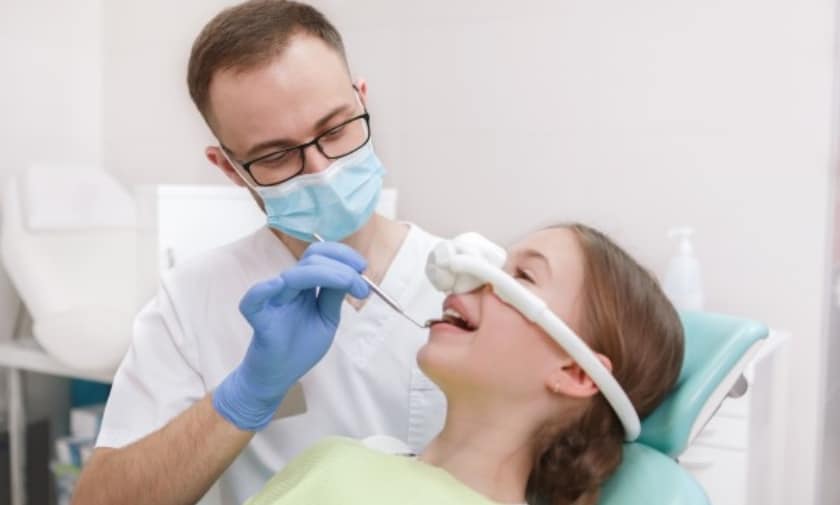
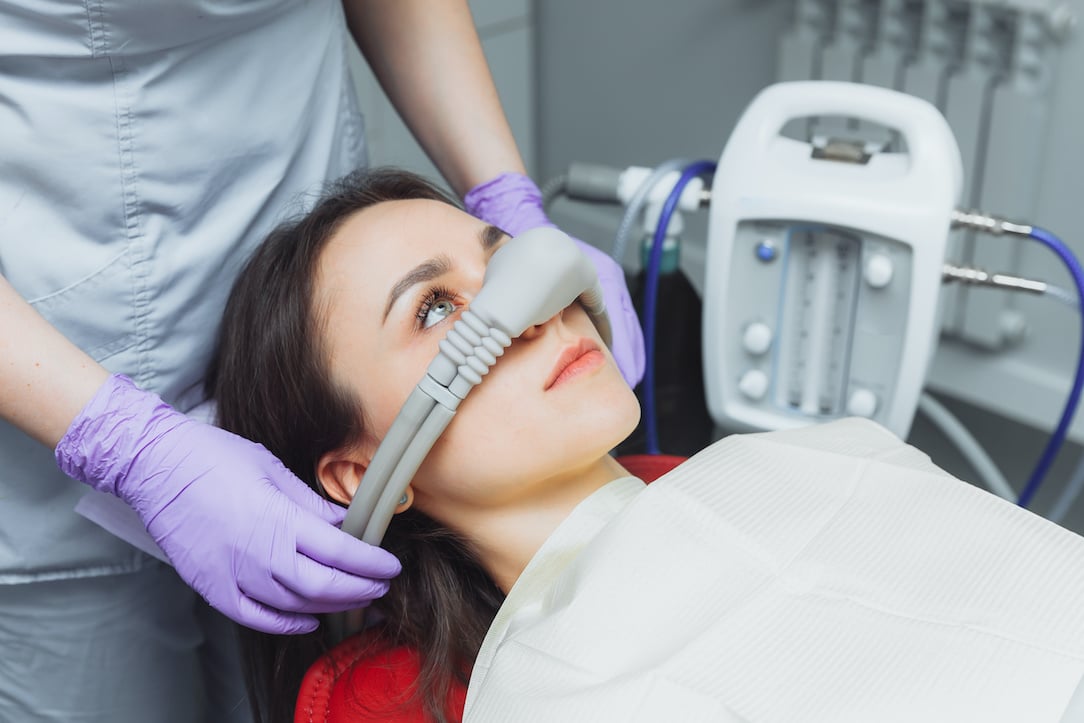
Description: Nitrous oxide, commonly known as laughing gas, is a mild sedative inhaled through a mask placed over the nose. It creates a state of relaxation and can make patients feel euphoric.
Benefits:
- Fast-acting and easy to administer.
- Patients remain conscious and can respond to questions.
- Effects wear off quickly, allowing patients to resume normal activities immediately.
Ideal For: Patients with mild to moderate anxiety or those undergoing minor procedures.
2. Oral Sedation
Description: Oral sedation involves taking medication in the form of a pill or liquid before the appointment. The sedative is absorbed into the bloodstream, leading to a relaxed state.
Benefits:
- Provides a deeper level of sedation compared to nitrous oxide.
- Patients may feel drowsy or fall asleep during the procedure.
- Medication can be adjusted to achieve the desired level of sedation.
Ideal For: Patients with moderate anxiety or those undergoing longer or more invasive procedures.
3. IV Sedation
Description: Intravenous (IV) sedation involves administering sedative medications directly into the bloodstream through an intravenous line. This method provides a deeper level of sedation and allows for precise control over the sedation depth.
Benefits:
- Provides a deeper level of sedation, often resulting in minimal memory of the procedure.
- Allows for rapid adjustment of sedation levels as needed.
- Patients are closely monitored throughout the procedure.
Ideal For: Patients with severe anxiety or those undergoing complex procedures requiring significant sedation.
4. General Anesthesia
Description: General anesthesia involves the use of powerful sedatives that put the patient into a deep, unconscious state. It is typically administered through intravenous injection or inhalation.
Benefits:
- Provides complete unconsciousness, eliminating awareness of the procedure.
- Suitable for extensive surgeries or highly anxious patients.
- Patients have no memory of the procedure.
Ideal For: Patients undergoing extensive dental surgery or those with extreme anxiety who cannot tolerate other forms of sedation.
Choosing the Right Sedation Option
Selecting the appropriate sedation method depends on several factors, including the patient’s level of anxiety, the type of procedure, and any underlying medical conditions. Here’s how to choose the right sedation option:
1. Assess Your Anxiety Level
Consider your level of dental anxiety and comfort with various sedation methods. For mild anxiety, nitrous oxide or oral sedation may be sufficient. For more severe anxiety, IV sedation or general anesthesia might be more appropriate.
2. Discuss Your Options with Your Dentist
Your dentist will evaluate your dental needs and discuss sedation options with you. They will consider factors such as the complexity of the procedure, your medical history, and your personal preferences.
3. Consider Any Medical Conditions
Certain medical conditions or medications may impact your suitability for specific sedation methods. Be sure to inform your dentist of any health issues or medications you are taking so they can recommend the safest option.
4. Understand the Risks and Benefits
Each sedation method has its own risks and benefits. Your dentist will explain these to you, helping you make an informed decision based on your needs and preferences.
Preparing for Sedation Dentistry
Proper preparation is essential to ensure a smooth and safe sedation experience. Here are some steps to take before undergoing sedation dentistry:
1. Follow Pre-Procedure Instructions
Your dentist will provide specific instructions for preparing for sedation, such as fasting before the appointment or arranging for a ride home. Follow these instructions carefully to ensure your safety and the effectiveness of the sedation.
2. Inform Your Dentist of Medical Conditions
Provide your dentist with a complete medical history, including any allergies, medical conditions, or medications you are taking. This information is crucial for selecting the appropriate sedation method and ensuring your safety.
3. Arrange for Transportation
If you are undergoing moderate or deep sedation, you may be unable to drive yourself home afterward. Arrange for a friend or family member to provide transportation to and from your appointment.
4. Discuss Any Concerns
If you have any concerns or questions about the sedation process, discuss them with your dentist before the procedure. Understanding what to expect can help alleviate anxiety and ensure a positive experience.
Sedation dentistry offers a valuable solution for individuals experiencing dental anxiety, making dental visits more manageable and less stressful. By promoting relaxation, minimizing discomfort, and enhancing the overall experience, sedation can help patients overcome their fears and maintain their oral health. With various sedation options available, you can work with your dentist to choose the method that best suits your needs and ensures a comfortable dental experience. Prioritizing your dental care with the support of sedation dentistry can lead to improved oral health and a more positive attitude toward dental visits.