
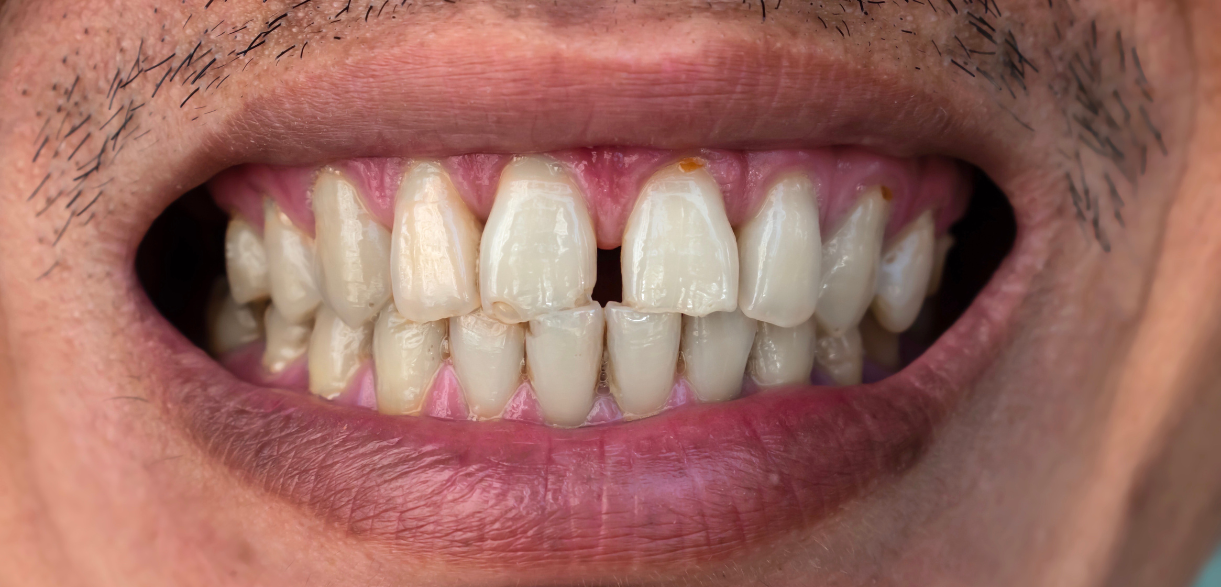
Gaps between teeth, also known as diastema, are common dental occurrences. While some people may embrace their unique smiles, others may feel self-conscious about the space. If you’re wondering what causes a gap in your teeth, it’s essential to understand the factors behind it. This blog will explore the common causes of gaps and how cosmetic dentistry can help address them.
1. Genetics
One of the primary causes of gaps between teeth is genetics. If your parents or other family members had diastema, you might be more likely to have gaps in your teeth. Genetic factors can influence the size of your teeth, the structure of your jaw, and how your teeth develop. These factors can result in spaces between teeth, especially in the upper front teeth.
2. Tooth Size and Jaw Size Mismatch
Sometimes, a person’s teeth may be too small for their jaw, leading to gaps. This mismatch causes the teeth to appear widely spaced. Conversely, if your jaw is more extensive than average, extra space may be between your teeth. This condition is commonly observed in people with narrow or small teeth and vast jaw structures. Cosmetic dentistry in Chicago can help correct these imbalances and enhance the appearance of your smile.
3. Thumb-Sucking in Childhood
Thumb-sucking, significantly beyond the age of 3, can affect the alignment of your teeth. The pressure from sucking on a thumb or pacifier can cause the upper front teeth to move outward, leading to a gap. Additionally, this habit can push the teeth into an abnormal position. Even though the gap may close as a child grows, some people may develop permanent spaces between their teeth. Early intervention can prevent this, but cosmetic dentistry can help correct the issue later in life.
4. Gum Disease and Bone Loss
Gum disease (periodontitis) is another common cause of gaps in teeth. As gum disease progresses, the supporting bone and tissue around the teeth weaken, causing teeth to shift. This shifting can lead to noticeable spaces between the teeth. Gum disease is often accompanied by swelling, bleeding, and tenderness in the gums, so it’s crucial to seek treatment from a dentist immediately to prevent further damage.
5. Missing Teeth
When a tooth is missing, it can lead to a gap in the smile. Over time, the surrounding teeth may shift toward the space, creating more significant gaps. If the missing tooth is not replaced, the remaining teeth will continue to move, making the gap more prominent. Dental implants, bridges, or dentures are standard solutions to fill in gaps caused by missing teeth. Cosmetic dentistry can offer a variety of treatments to restore your smile.
6. Poor Alignment or Bite Issues
Malocclusion refers to the misalignment of teeth or bite problems. This can lead to gaps between the teeth, particularly if the teeth don’t align correctly when the mouth is closed. If your teeth are crowded or spaced irregularly due to alignment issues, gaps may form over time. An orthodontist or cosmetic dentist can help fix bite problems, improving function and appearance.
7. Age and Natural Wear
As people age, their teeth may naturally shift or wear down, causing changes in the spacing of teeth. Over time, the gums may recede, and teeth may shift, leading to gaps. This natural aging process can sometimes cause previously closed gaps to reopen. Regular dental checkups are essential in catching these changes early and preventing further issues.
How Cosmetic Dentistry Can Help?
Cosmetic dentistry offers several solutions to close gaps in your teeth and enhance your smile. Some of the most common treatments include:
- Veneers: Thin shells made of porcelain or composite material are bonded to the front of the teeth to mask gaps.
- Bonding: A tooth-colored resin is applied to the teeth to fill in gaps, creating a seamless appearance.
- Braces or Invisalign: Traditional braces or clear aligners can gradually move teeth into proper alignment, effectively closing gaps.
- Dental Implants or Bridges: For missing teeth, implants or bridges can fill in gaps and restore the functionality of your smile.
Consulting with a cosmetic dentist is the best way to determine your proper treatment. They will assess your dental needs and create a personalized plan to improve your smile’s appearance and health.
Understanding and Treating Gaps in Your Teeth
Gaps in teeth can occur for various reasons, from genetics and tooth size mismatches to thumb-sucking and gum disease. Understanding the cause of the gap in your teeth is the first step toward finding a solution. Cosmetic dentistry offers effective treatments to restore your smile, whether caused by misalignment, missing teeth, or other factors. If you’re concerned about gaps in your teeth, consulting a cosmetic dentist can help you explore your options and achieve the smile you’ve always wanted.