
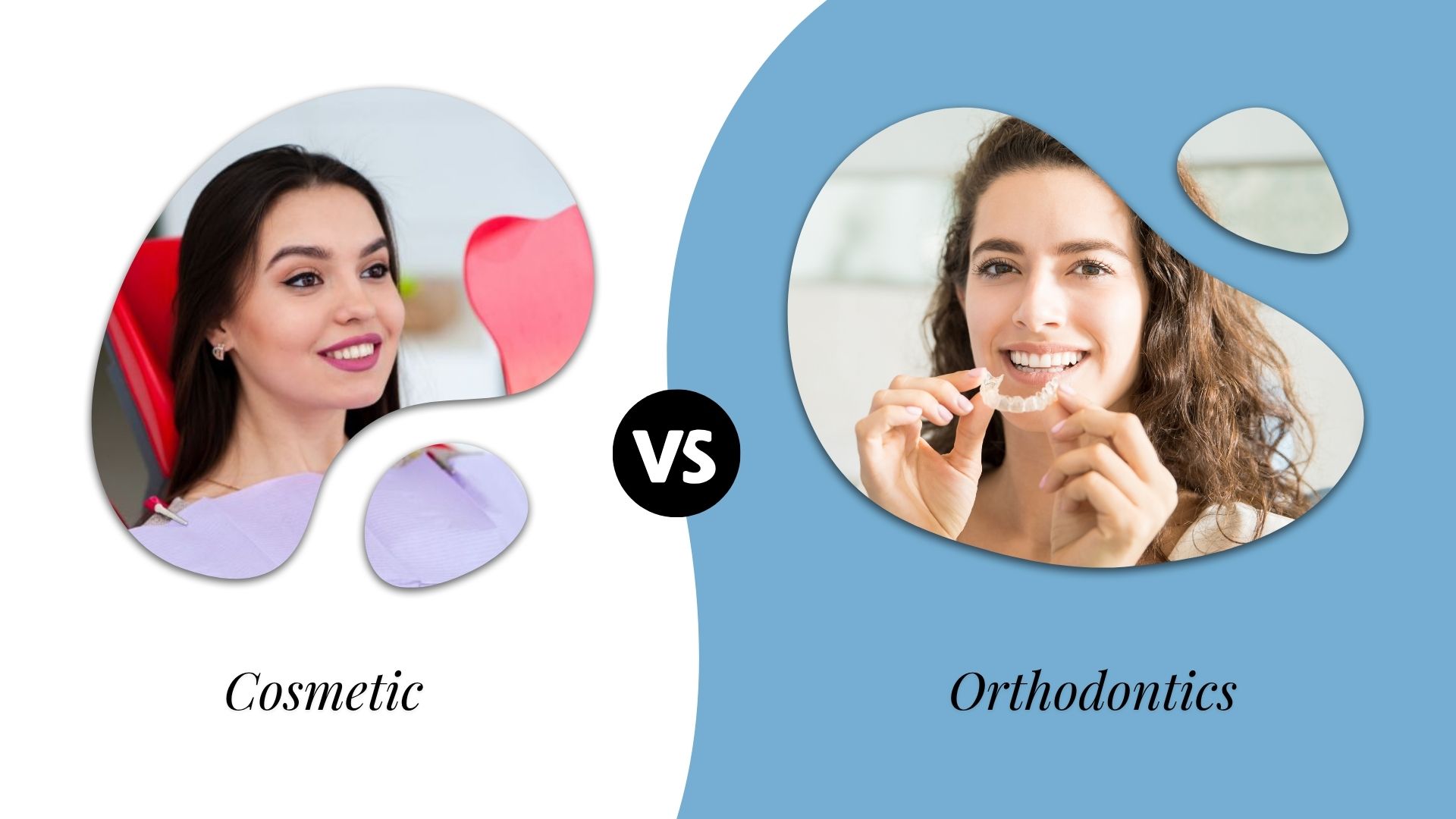
Not every smile problem needs the same fix. Some patients need their teeth straightened. Others need their teeth transformed. Many need both. If you’ve been searching for a cosmetic dentistry specialist in Chicago but aren’t sure whether your concern actually calls for orthodontics instead, this guide breaks down the real differences between cosmetic dentistry and orthodontics.
Cosmetic Dentistry: Fixing How Your Smile Looks
Cosmetic dentistry focuses on appearance: shape, color, size, and surface condition, without necessarily changing tooth position in the jaw. A Chicago cosmetic dentist typically addresses:
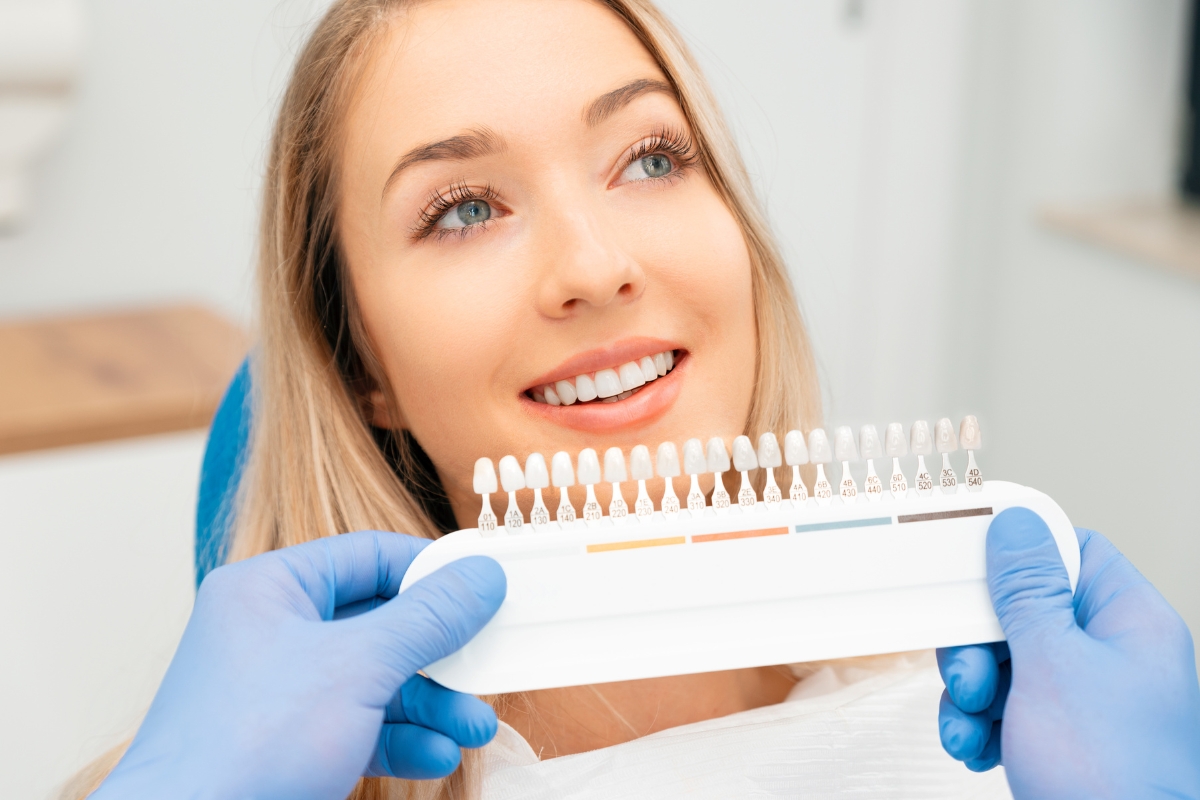
- Discoloration and staining from coffee, tea, wine, tobacco, or aging, corrected with professional teeth whitening
- Chipped, cracked, or worn teeth, repaired with dental bonding or porcelain veneers
- Uneven or gapped teeth (mild cases), closed cosmetically with veneers or bonding rather than movement
- Full smile transformations, combining whitening, veneers, and bonding into a smile makeover
These treatments work on the surface of the tooth. A veneer, for example, is a thin porcelain shell bonded to the front of a tooth to change its color, shape, or length. It doesn’t shift the tooth’s position — it masks what’s visible. That’s the key distinction patients often miss: cosmetic dentistry changes appearance; it doesn’t correct bite or alignment problems underneath.
Orthodontics: Fixing How Your Teeth Are Positioned
Orthodontics addresses the structural and functional side of your smile — where your teeth sit in your jaw and how your bite comes together. This includes:
- Crooked or overlapping teeth
- Overbite, underbite, crossbite, or open bite
- Gaps between teeth caused by spacing issues, not just cosmetic gaps
- Jaw alignment problems that affect chewing, speech, or long-term tooth wear
Orthodontic treatment — traditional braces or clear aligners like Invisalign — applies gradual, controlled pressure to physically move teeth into a healthier position over months or years. Unlike cosmetic treatments, orthodontics changes the underlying structure, which is why it also has functional benefits: easier cleaning, reduced strain on the jaw joint, and lower risk of uneven wear.
The Core Difference, Side by Side
| Concern | Best Addressed By |
|---|---|
| Yellow, stained, or dull teeth | Cosmetic dentistry (whitening) |
| Chipped or cracked front teeth | Cosmetic dentistry (bonding/veneers) |
| Mildly uneven tooth shape or small gaps | Cosmetic dentistry (veneers/bonding) |
| Crooked or overlapping teeth | Orthodontics (braces/Invisalign) |
| Overbite, underbite, or crossbite | Orthodontics |
| Jaw pain linked to bite misalignment | Orthodontics |
| Complete smile transformation | Often both, in sequence |
Why the Distinction Matters Before You Book
Covering crooked teeth with veneers instead of correcting alignment first is one of the most common cosmetic missteps. Veneers bonded onto misaligned teeth can look unnatural, wear unevenly, and stress the bite. This is why an experienced cosmetic dentist in Chicago evaluates your bite and alignment before recommending a purely cosmetic solution — and recommends orthodontic treatment first when your case calls for it.
This is also where working with a general practice that offers both services under one roof becomes valuable. Wicker Park Dental Group’s team provides general dentistry, cosmetic dentistry, and orthodontic options, including Invisalign, which means your treatment plan can be sequenced properly instead of being limited to whichever speciality a single office happens to offer.
Can You Need Both?
Frequently, yes. A common path is orthodontic treatment first to move teeth into proper alignment, followed by a cosmetic phase — whitening, bonding, or veneers — to refine color, shape, and surface imperfections once alignment is corrected. This sequencing protects your investment: cosmetic work done on properly aligned teeth lasts longer and looks more natural than cosmetic work layered over misalignment.
How to Decide What Your Chicago Smile Actually Needs
Ask yourself these questions before booking:
- Is my concern about color or surface texture (stains, chips, wear)? → Likely cosmetic
- Is my concern about position or bite (crookedness, overlapping, jaw discomfort)? → Likely orthodontic
- Do I have both issues? → You’ll likely need a phased treatment plan
If you’re unsure, the safest first step is a comprehensive dental exam rather than guessing. A dentist can evaluate your bite, tooth alignment, and enamel condition, then recommend the treatment order that gives you the most stable, natural-looking result.
A Note on Making This Decision Safely
Cosmetic and orthodontic treatments are elective in most cases, but they still involve real clinical judgment — bite mechanics, enamel health, and long-term oral function are all at stake. This article is for general educational purposes and isn’t a substitute for a professional evaluation. Only a licensed dentist or orthodontist who has examined your teeth in person can recommend the right plan for your specific case.
Final Takeaway
Cosmetic dentistry changes how your teeth look. Orthodontics changes where your teeth are. Knowing which one your concern falls under, or whether you need both, saves you time, money, and the frustration of a fix that doesn’t hold up. If you’re in Chicago and unsure where your smile concern fits, schedule a consultation with a dental team offering both services, so your treatment plan is built around your actual needs.
Frequently Asked Questions
1. Should I see a cosmetic dentist or an orthodontist first?
If your teeth are misaligned, overlapping, or your bite doesn’t meet correctly, orthodontic treatment should come first. Cosmetic work is best done after alignment is corrected, so results last and look natural.
2. Can veneers fix crooked teeth instead of braces?
Veneers can visually mask mild unevenness, but they don’t move teeth or correct bite problems. For genuinely crooked teeth or bite misalignment, orthodontics addresses the actual cause rather than covering it up.
3. How long does cosmetic dentistry take compared to orthodontics?
Cosmetic treatments like whitening or bonding often finish in one or two visits. Orthodontic treatment, including Invisalign, typically takes several months to a couple of years, depending on case complexity.
4. Is it normal to need both cosmetic dentistry and orthodontics?
Yes. Many smile makeovers combine both: orthodontics to correct alignment first, then whitening, bonding, or veneers to refine appearance once teeth are properly positioned.
5. Does insurance cover cosmetic dentistry or orthodontics?
Orthodontic treatment for functional bite issues is more often partially covered by dental insurance, while purely cosmetic treatments like whitening are usually out-of-pocket. Coverage varies by plan, so confirm details with your insurance provider and dental office.