

Dental Implants: A Complete Patient Guide
Dental implants have changed the way people replace missing teeth. They offer a durable, natural-looking solution for tooth loss. Understanding how dental implants work can help you make informed decisions. This guide covers everything you need to know about dental implants.
What Are Dental Implants?
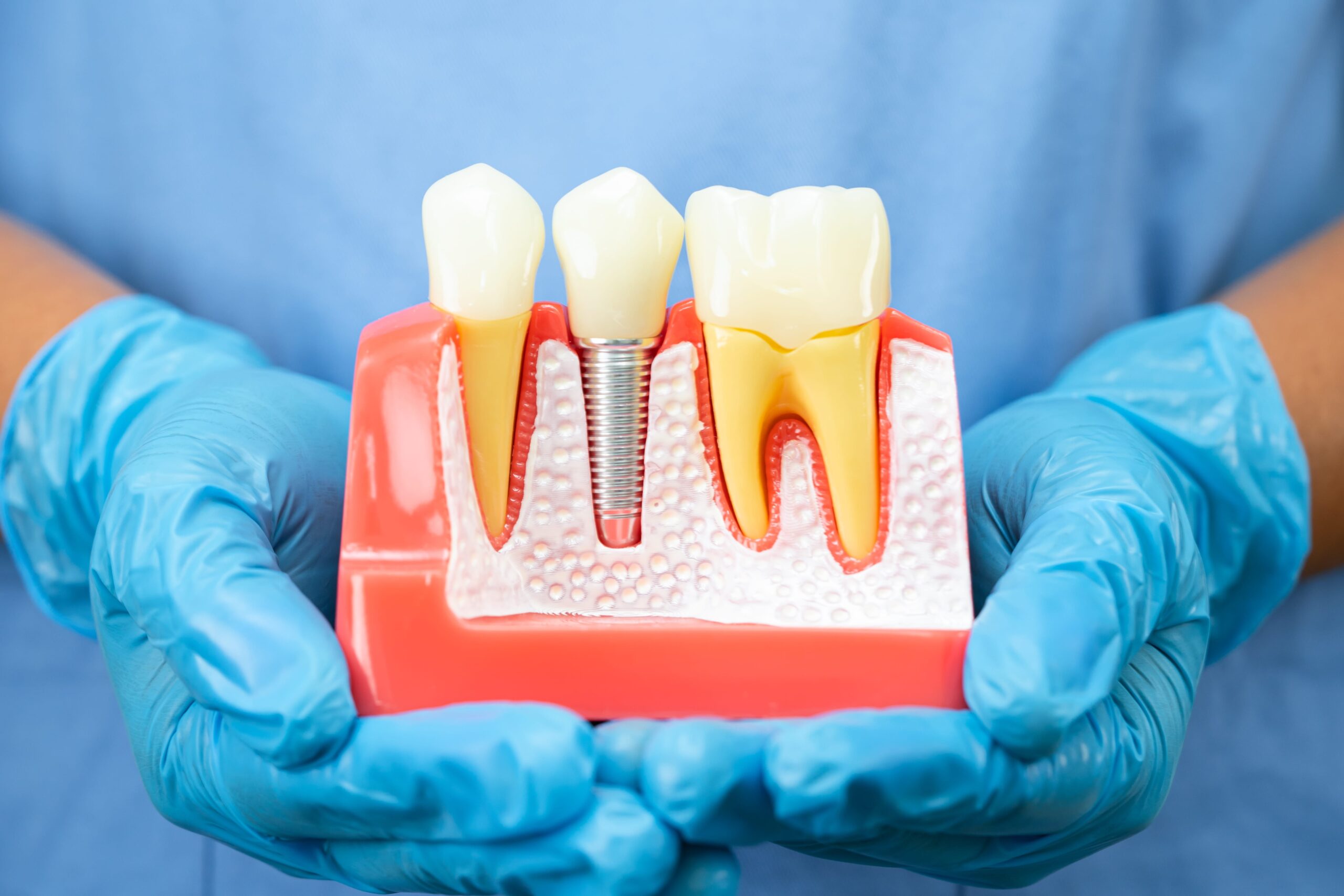
A dental implant is a small titanium post placed into the jawbone. It acts as an artificial tooth root. Over time, the post fuses with the surrounding bone in a process called osseointegration.
Once the implant has bonded with the bone, a connector piece called an abutment is attached. A custom-made crown is then placed on top. The result looks and functions like a natural tooth.
Many patients ask how dental implants work compared to traditional tooth replacement options. Unlike dentures and bridges, dental implants replace the root itself, creating unmatched stability and long-term support.
Dental implants differ from dentures and bridges in an important way. They are the only tooth replacement option that replaces the root itself. This gives them a level of stability that other options cannot match.
Who Is a Good Candidate for Dental Implants?
Not everyone is immediately ready for dental implants. A good candidate generally has healthy gums and adequate jawbone density. These two factors are essential for a successful procedure.
Adults who have fully developed jawbones are typically eligible. Certain health conditions may affect healing and need to be evaluated first. Our dental team reviews each patient’s full medical and dental history before recommending a treatment plan.
Some patients may need a bone graft before implant placement. This is necessary when there is not enough bone to support the implant. A bone graft builds up the area so the implant can be placed securely.
Patients searching for Dental Implants in Chicago often benefit from a comprehensive evaluation to determine if implants are the right solution for their oral health goals.
Key factors our dental team considers during evaluation include:
- Overall gum and oral health
- Jawbone density and volume
- Medical history and any chronic conditions
- Commitment to good oral hygiene habits
- Non-smoking status or willingness to quit
The Dental Implant Procedure: Step by Step
Understanding the process helps patients feel prepared. Dental implant treatment takes place over several months. Each phase has a specific purpose and timeline.
Here is a general overview of what to expect:
- Initial consultation: Our dental team examines your mouth, takes X-rays, and discusses your goals.
- Implant placement: The titanium post is surgically inserted into the jawbone under local anesthesia.
- Healing period: The bone fuses with the implant over a period of several weeks to months.
- Abutment placement: Once healed, a connector piece is attached to the implant post.
- Crown placement: A custom crown is secured to the abutment, completing your restored smile.
Each patient heals at a different rate. Some steps may be combined depending on your specific situation. Your dental team will map out a personalized timeline for you.
After the crown is placed, the implant functions just like a natural tooth. You can eat, speak, and smile with confidence. Proper care is essential to keep the implant healthy long-term.
Benefits of Dental Implants for Long-Term Oral Health
Dental implants offer advantages that go beyond appearance. They actively support the health of your jawbone and surrounding teeth. Understanding these benefits helps patients appreciate their long-term value.
When a tooth is lost, the jawbone in that area begins to deteriorate. An implant stimulates the bone just like a natural root would. This prevents bone loss and helps maintain your facial structure.
The key long-term benefits of dental implants include:
- Preservation of jawbone density over time
- Stability that does not rely on neighboring teeth
- Easier chewing compared to removable dentures
- Natural appearance that blends with existing teeth
- Potential to last decades with proper care
Unlike a dental bridge, an implant does not require grinding down adjacent teeth. This preserves the integrity of healthy teeth nearby. That makes implants a conservative choice in the long run.
In Chicago, many patients choose dental implants because they provide a long-lasting and comfortable alternative to removable dentures.
Caring for Your Dental Implants
Dental implants require the same daily care as natural teeth. Brushing twice daily and flossing regularly are essential habits. Good oral hygiene keeps the gum tissue around the implant healthy.
While the implant itself cannot get a cavity, the surrounding gum tissue can still become inflamed. This condition is called peri-implantitis. It is the leading cause of implant failure and is largely preventable.
Routine dental visits are equally important. Our dental team will monitor the implant and surrounding bone at each checkup. Early detection of any issues helps protect your long-term outcome.
Patients should also avoid habits that can damage implants. These include chewing ice, biting fingernails, and using teeth as tools. If you grind your teeth at night, a custom mouthguard may be recommended.
If you are curious about how implants compare to other restorations, explore our full range of services to learn more about your options.
Conclusion
Dental implants are a well-studied, reliable solution for tooth loss. They support oral health, restore function, and look completely natural. With proper care, they can serve patients for many years.
Our dental team at Wicker Park Dental Group is committed to patient education. We want every patient to feel informed and confident before starting any treatment. Every smile and every situation is unique, and we treat it that way.
Whether you are just starting to research tooth replacement or are ready to move forward, we are here to guide you. Learn more about our team and our approach to patient-centered care. When you are ready to take the next step, Learn More about how we can help you.
Frequently Asked Questions
How long do dental implants last?
With proper care and regular dental checkups, dental implants can last 15 years or longer. Many patients keep their implants for decades. The crown on top may need replacement after 10 to 15 years due to normal wear.
Is the dental implant procedure painful?
Most patients report less discomfort than expected. Local anesthesia is used during the procedure to minimize pain. Some soreness and swelling are normal in the days following surgery and typically resolve within a week.
How do I know if I have enough bone for a dental implant?
Our dental team uses X-rays and 3D imaging to assess your jawbone density. If bone loss is present, a bone graft may be recommended before implant placement. This preparatory step helps ensure the implant has a solid foundation.
Can dental implants be used to replace multiple teeth?
Yes. Dental implants can support single crowns, bridges, or even full arches of teeth. Implant-supported dentures are a popular option for patients missing many teeth. Our dental team can help determine the best approach for your specific needs.
What is the difference between a dental implant and a dental crown?
A dental crown is a cap that covers a damaged natural tooth or sits on top of an implant. A dental implant is the titanium post that replaces the root of a missing tooth. The two work together — the implant provides the foundation and the crown restores the visible portion of the tooth.