
Visiting the dentist twice a year is often recommended as a cornerstone of personal wellness, yet many individuals feel a sense of uncertainty about what actually goes on behind closed treatment room doors. Whether it has been six months or several years since your last professional checkup, knowing what to expect can significantly ease dental anxiety and help you prioritize your long-term oral health. At Wicker Park Dental Group, we believe that empowering our patients with knowledge is the first step toward a lifetime of confident, healthy smiles right here in Chicago. If you are looking to maintain your oral hygiene routine and protect your teeth, scheduling your routine cleanings is easier than ever when you book your preventive dental appointment with our experienced clinical team. Routine dental visits do much more than just polish your teeth; they serve as a critical defense system against common dental issues like gum disease, tooth decay, and oral infections.
Quick answer: During a preventive dental visit, a dental professional thoroughly cleans your teeth to remove plaque and tartar, evaluates your gums for signs of periodontal disease, performs a comprehensive dental examination, and often takes diagnostic dental X-rays to detect hidden cavities or structural problems early.
The Importance of Professional Cleanings and Plaque Removal
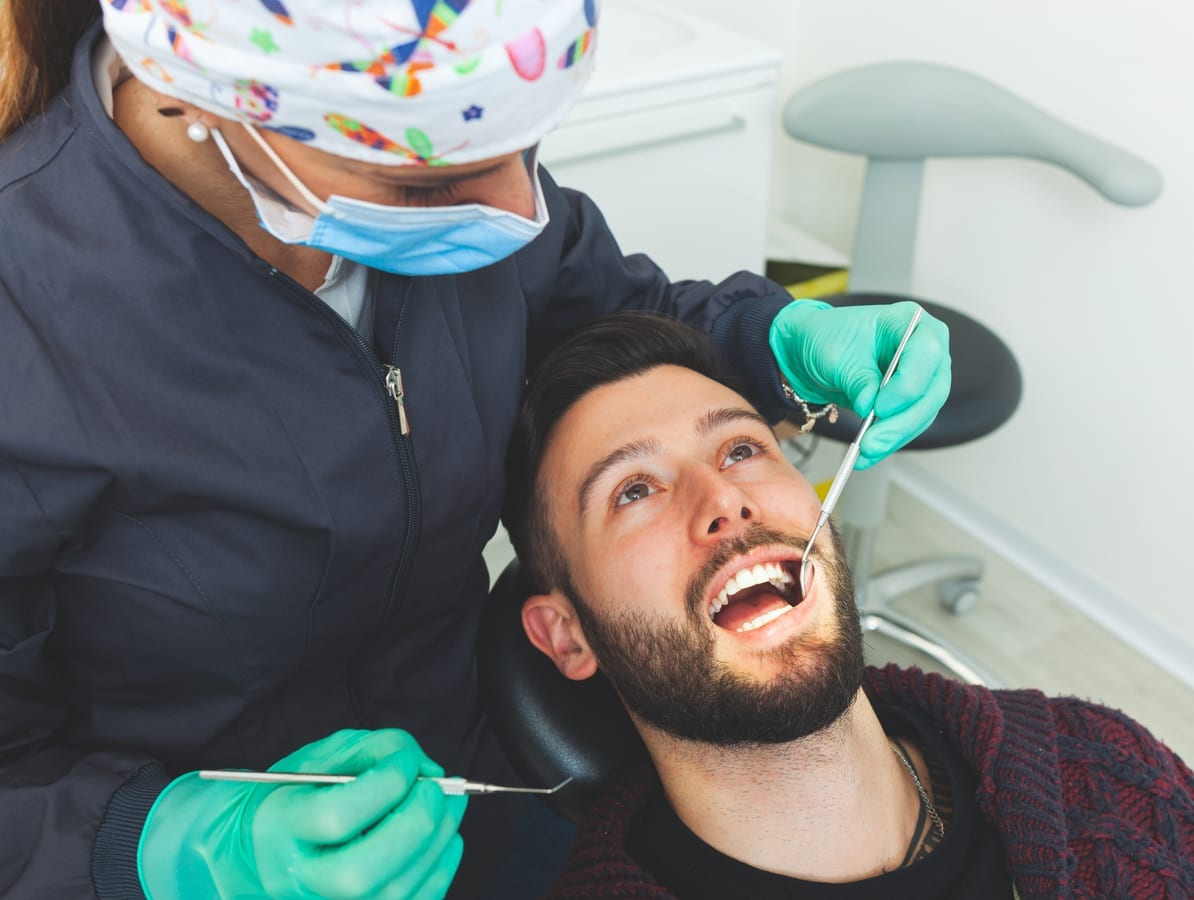
Even the most diligent brushers and flossers leave behind microscopic traces of plaque that eventually harden into tartar, also known as dental calculus. Once tartar forms, it cannot be removed with standard home care tools like toothbrushes or dental floss; it requires specialized professional instruments. During the cleaning portion of your visit, a registered dental hygienist uses delicate scalers and specialized ultrasonic tools to carefully eliminate plaque and tartar buildup from both above and below the gumline.
According to public health data from the Centers for Disease Control and Prevention (CDC), nearly half of American adults aged 30 and older show signs of some form of periodontal disease, underscoring why professional cleanings are non-negotiable for preserving gum health. After the scaling process is complete, your hygienist will polish your teeth using a high-powered electric brush and gritty prophylaxis paste. This step expertly buffs away surface stains from coffee, tea, and food, leaving your teeth feeling exceptionally smooth and making it harder for new bacteria to adhere to the enamel surfaces.
Comprehensive Oral Examinations and Diagnostic Imaging
Following the professional cleaning, the dentist takes over to perform a detailed, hands-on clinical evaluation of your entire oral cavity. This examination involves checking every individual tooth for signs of enamel wear, micro-fractures, failing dental restorations like crowns or bridges, and hidden tooth decay. Furthermore, your dentist evaluates your temporomandibular joint (TMJ) function, checks your bite alignment, and screens soft tissues on your tongue, cheeks, and throat for early indicators of oral cancer.
Diagnostic dental X-rays are typically integrated into this phase of your preventive visit on a schedule tailored to your individual risk factors and dental history. Modern digital radiography uses exceptionally low radiation doses to capture high-resolution images that reveal sub-surface problems invisible to the naked eye. These diagnostic images allow clinicians to detect interproximal cavities hiding between tight teeth, bone loss around dental roots, impacted wisdom teeth, and hidden periapical infections before they escalate into painful, costly dental emergencies.
Personalized Preventive Insights and Oral Hygiene Education
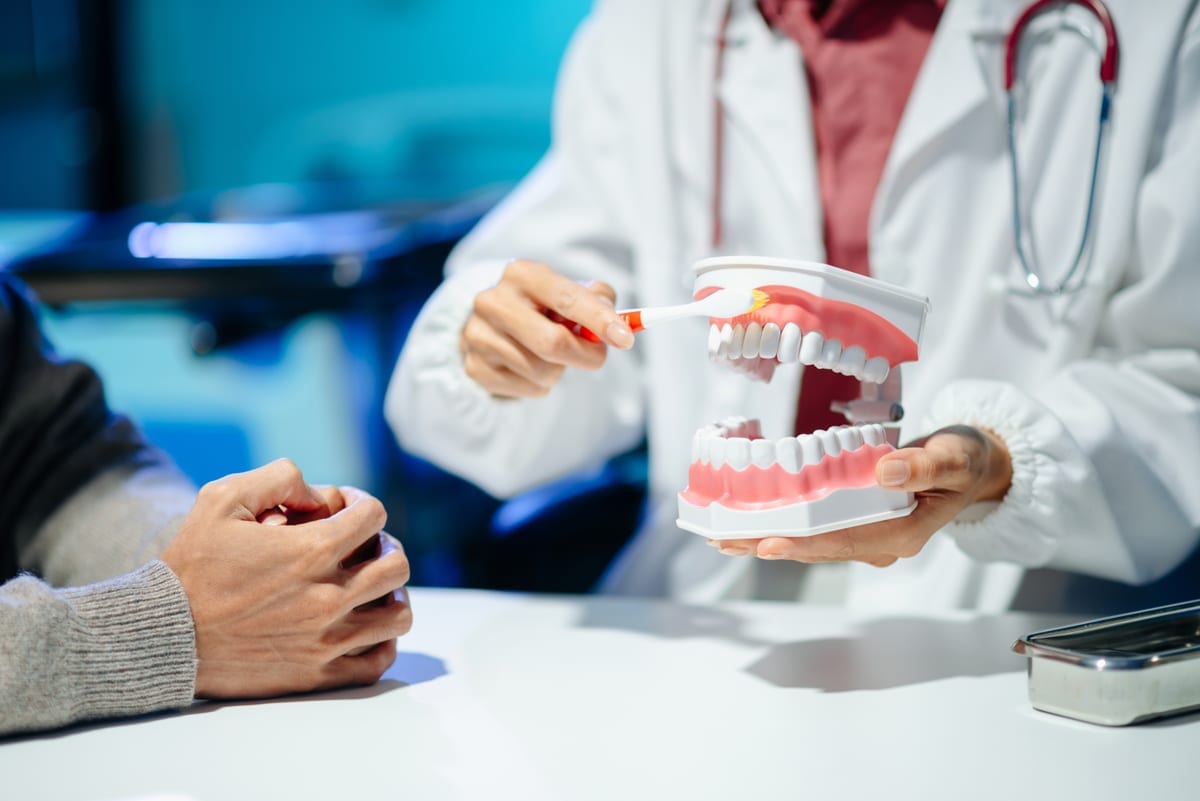
A great preventive dental visit is an interactive educational experience rather than a passive medical procedure. Once the clinical examination concludes, your dentist and hygienist will sit down with you to discuss their findings in clear, understandable language. If they notice areas where your plaque removal technique could be improved, they will provide customized coaching on proper brushing angles, interdental brush usage, and effective flossing methods.
Additionally, your care team may recommend targeted preventive treatments based on your unique risk profile. For example, professional fluoride treatments can be quickly applied to strengthen tooth enamel and reverse early-stage demineralization, while dental sealants can protect the deep chewing grooves of back molars from decay-causing bacteria. To ensure your daily regimen is fully optimized for long-term success, you can learn more about how to maintain your oral health between visits by exploring our comprehensive patient resource library.
FAQ
How often should I schedule a preventive dental visit? For most individuals, scheduling a comprehensive exam and professional cleaning every six months is ideal. However, patients with a history of gum disease, high cavity susceptibility, or specific medical conditions may benefit from more frequent visits, such as every three to four months.
Do routine dental cleanings hurt? Standard preventive cleanings are generally comfortable and pain-free. If you have sensitive gums, mild gingivitis, or significant tartar buildup, you might feel minor pressure or tingling during the scaling process, but your dental hygienist can adjust their technique or apply numbing gel if needed.
Why are dental X-rays necessary during a routine checkup? Dental X-rays allow dentists to see what is happening beneath the surface, including decay between teeth, bone density levels, impacted teeth, and problems at the roots. They are essential for catching dental issues early when they are easiest and least expensive to treat.
Can a preventive dental visit detect oral cancer? Yes. During the physical examination portion of your routine visit, your dentist visually and physically screens your lips, tongue, gums, lining of your cheeks, and throat for any unusual red or white patches, lumps, or sores that could indicate early-stage oral cancer.
What is the difference between plaque and tartar? Plaque is a soft, sticky film of bacteria and food particles that forms continuously on teeth and can be removed by regular brushing and flossing. If plaque is left on the teeth too long, minerals in your saliva harden it into a tough, calcified deposit called tartar or calculus.
Conclusion
Ready to take control of your oral health and keep your smile shining bright? Don’t wait for a dental problem to appear before booking your next checkup. Experience gentle, comprehensive, and patient-focused care at Wicker Park Dental Group in Chicago. Call us today and let our expert team help you maintain a healthy, beautiful smile for life!