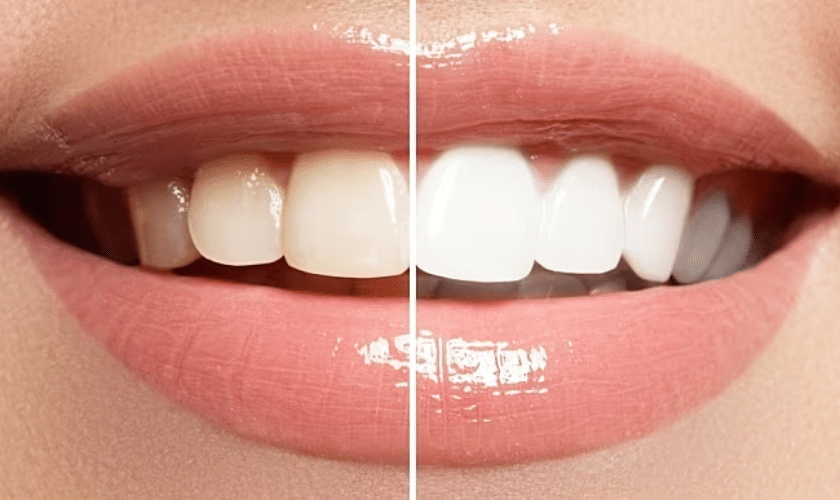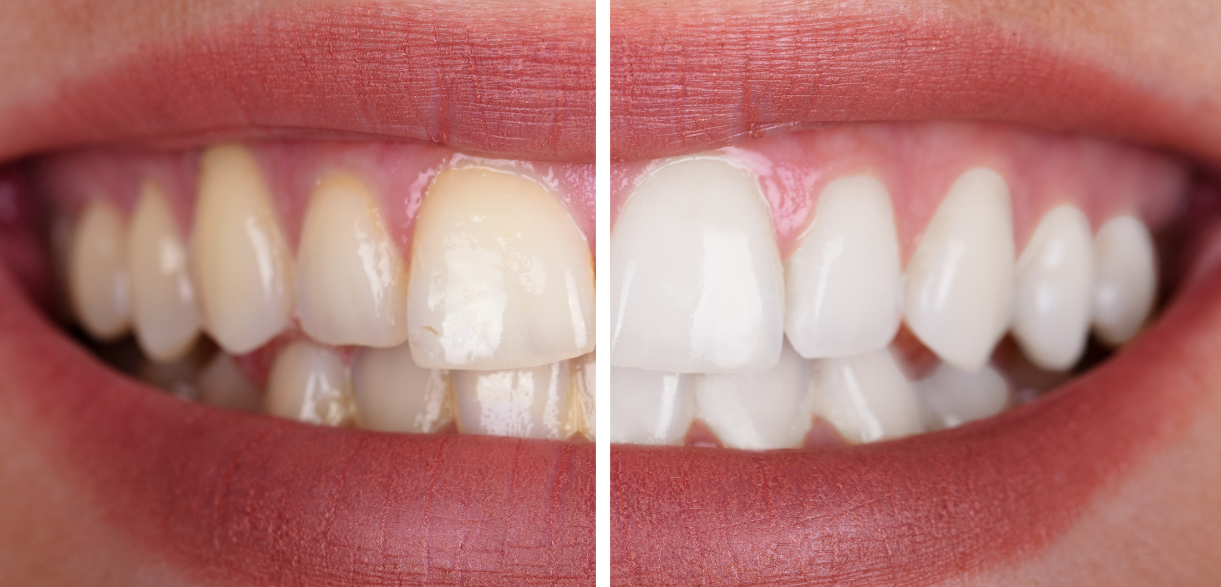


Tooth sensitivity is the number one reason people put off whitening treatment they’d otherwise love to get. The good news: sensitivity during whitening is common, temporary, and manageable with the right approach. Here’s what’s actually happening to your teeth during whitening, and how a Chicago dentist can help you get a brighter smile without the discomfort.
Why Whitening Causes Sensitivity in the First Place
Teeth Whitening gel works by allowing peroxide to penetrate the enamel and break down stain molecules within the tooth. That same penetration process can temporarily dehydrate the tooth and irritate the microscopic tubules that lead to the nerve inside, which is why some patients feel a quick zing when they drink something cold right after a session. It’s not a sign of damage. It’s a normal, short-term reaction that usually fades within a day or two as the tooth rehydrates.
Patients with naturally thinner enamel, existing gum recession, or teeth that are already sensitive to hot and cold tend to notice this more than others. That doesn’t mean whitening is off the table — it means the approach should be adjusted.
In-Office vs. Take-Home: Which Is Gentler?
Wicker Park Dental Group offers two teeth whitening options, and the right one for sensitive teeth depends on how your mouth responds to concentrated treatment.
In-office whitening takes about an hour per session and is done under direct supervision, which means your dentist can monitor your comfort in real time and stop or adjust if sensitivity spikes. Because it’s a single, controlled session, any discomfort is limited to a short window rather than spread across multiple days.
Take-home whitening uses custom-fitted trays and professional-strength gel you apply at your own pace. This tends to be the gentler route for sensitive teeth because you control the exposure time and can space out sessions over several days instead of concentrating treatment into one visit. The custom tray kit is $299, and a lighter-strength GO whitening package is available for $75 if you want a subtler result with less potential for sensitivity.
Steps to Reduce Sensitivity Before You Start
If you already know your teeth run sensitive, don’t wait until treatment day to address it. Switching to a desensitizing toothpaste containing potassium nitrate for one to two weeks before whitening helps calm the nerve endings in advance, giving you a more comfortable baseline going into treatment. Avoiding overly acidic foods and drinks — citrus, soda, wine — in that same window also helps, since acid erosion is one of the underlying reasons enamel becomes more reactive in the first place.
Adjustments Your Dentist Can Make During Treatment
Whitening isn’t one-size-fits-all, and it shouldn’t be treated that way if you’re sensitivity-prone. Your dentist can shorten the exposure time per session, use a lower-concentration gel, or space out take-home applications every other day instead of daily. Discuss your sensitivity history at your appointment so the plan is built around your mouth, not a generic protocol.
Aftercare That Actually Helps
For the first 24 to 48 hours after any whitening session, skip extreme temperatures — very hot coffee, ice water, anything straight out of the freezer. Room-temperature foods and drinks give your teeth time to settle without triggering discomfort. If you were given a desensitizing toothpaste, keep using it through this window even if you don’t feel any sensitivity; it’s easier to prevent than to treat after the fact.
When to See a Dentist Before Whitening at All
If your sensitivity is more than mild — if hot or cold consistently causes sharp, lingering pain even without whitening — that’s worth an exam first. Sensitivity that severe can point to worn enamel, a cracked tooth, or exposed root surfaces that need to be addressed before any whitening treatment, not after. Whitening on top of an existing problem won’t just be uncomfortable; it can make an underlying issue harder to diagnose.
Ready for a Brighter, More Comfortable Smile?
Sensitive teeth don’t have to mean skipping whitening altogether — they mean getting a plan tailored to what your mouth can handle. Wicker Park Dental Group evaluates every patient’s history before recommending in-office or take-home whitening, so you get results without unnecessary discomfort.
FAQs
1. Can I whiten my teeth if I have sensitive teeth?
Yes. Most people with sensitive teeth can safely whiten their teeth with the right treatment plan. Your dentist may recommend lower-strength whitening gel, shorter treatment sessions, or custom take-home trays to minimize discomfort while achieving noticeable results.
2. How long does tooth sensitivity last after whitening?
Sensitivity after teeth whitening is usually temporary and often resolves within 24 to 48 hours. Using a desensitizing toothpaste and following your dentist’s aftercare instructions can help reduce discomfort during recovery.
3. Is professional teeth whitening better than over-the-counter whitening products for sensitive teeth?
Professional teeth whitening is generally a better option for people with sensitive teeth because the treatment is customized to your needs. A dentist can adjust the whitening strength, treatment duration, and application method to improve comfort and safety.
4. What can I do before whitening to reduce tooth sensitivity?
Using a toothpaste containing potassium nitrate for one to two weeks before treatment, avoiding acidic foods and drinks, and addressing any existing dental issues during a dental exam can help reduce sensitivity before whitening.
5. Should I whiten my teeth if I already have tooth pain?
If you have ongoing or severe tooth pain, it’s best to see your dentist before starting any whitening treatment. Persistent sensitivity may be caused by cavities, worn enamel, gum recession, or a cracked tooth that should be treated before whitening.