
If your dentist recently told you to come in every three months instead of six, you might have questions. You may wonder why your schedule differs from a family member or friend. Understanding why your dentist recommends cleanings every 3 months instead of 6 in Chicago can actually help you take better control of your oral health. At Wicker Park Dental Group, Dr. Brandon Siaj tailors every cleaning schedule to each patient’s unique needs.
The Standard Six-Month Cleaning Schedule — And Why It Isn’t Universal
Many people grow up hearing that a dental cleaning every six months is the rule. This interval works well for patients with healthy gums and a low risk of decay. However, it was never designed as a one-size-fits-all recommendation. Research shows that oral health varies significantly from person to person.
Your mouth is home to hundreds of bacterial species. Some people naturally harbor more aggressive bacteria than others. Genetics, diet, stress, and lifestyle all influence how quickly plaque and tartar accumulate. For some patients, six months is simply too long to wait between professional cleanings.
Dr. Siaj evaluates each patient’s risk profile before recommending a cleaning interval. This personalized approach helps prevent small problems from becoming costly ones. Staying on the right schedule is one of the most powerful things you can do for your long-term dental health.
Why Your Dentist Recommends Cleanings Every 3 Months in Chicago: Key Risk Factors
Several specific conditions lead dentists to recommend more frequent cleanings. If you have any of the following, a three- to four-month interval may be appropriate for you.
- Gum disease (periodontitis or gingivitis): Bacteria recolonize pockets below the gumline quickly after treatment.
- A history of frequent cavities: Some patients are simply more cavity-prone due to enamel quality or saliva composition.
- Dry mouth: Reduced saliva allows bacteria to thrive, increasing decay and gum disease risk.
- Diabetes: This condition impairs immune response and slows healing, making gum disease more aggressive.
- Smoking or tobacco use: Tobacco accelerates plaque buildup and masks early signs of gum disease.
- Orthodontic appliances or crowns: These create additional areas where plaque hides.
- Pregnancy: Hormonal changes dramatically increase gum sensitivity and inflammation risk.
If you recognize yourself in this list, know that more frequent cleanings are not a punishment. They are a proactive strategy to keep you healthy.
What Actually Happens Between Your Cleaning Appointments
Understanding the biology helps explain why timing matters so much. Plaque — a sticky film of bacteria — begins forming on your teeth within hours of brushing. If not removed, it hardens into tartar within 24 to 72 hours. Only a dental professional can safely remove tartar buildup.
For patients with gum disease, bacteria recolonize the spaces between teeth and gums in as little as six to eight weeks. Waiting six months gives these bacteria months to cause damage unchecked. A three-month cycle keeps bacterial populations low before they can trigger serious inflammation.
Beyond bacteria, more frequent visits also allow Dr. Siaj to catch issues early. A small cavity found at three months is far easier — and less expensive — to treat than one discovered at twelve. Early detection also matters for conditions that may require Emergency Dentistry Chicago intervention if left too long.
How Dr. Siaj Determines Your Ideal Cleaning Frequency
Every new patient at Wicker Park Dental Group receives a thorough examination before any cleaning schedule is set. Dr. Siaj looks at several factors during this assessment. These include gum pocket depth measurements, X-rays, decay history, and overall systemic health.
Gum pocket depth is one of the most telling indicators. Healthy pockets measure one to three millimeters. Depths of four millimeters or more suggest early gum disease. Deeper pockets trap bacteria and are much harder to clean at home.
Based on this data, Dr. Siaj categorizes patients into risk tiers. Low-risk patients typically maintain a six-month schedule. Moderate- to high-risk patients move to three- or four-month intervals. Your risk category can also change over time as your health improves or your circumstances shift.
Many patients who start on a three-month schedule eventually graduate back to six months. This happens when gum health stabilizes and home care habits strengthen. Your schedule is not permanent — it evolves with your oral health journey.
What to Expect at a Three-Month Cleaning Visit at Wicker Park Dental Group
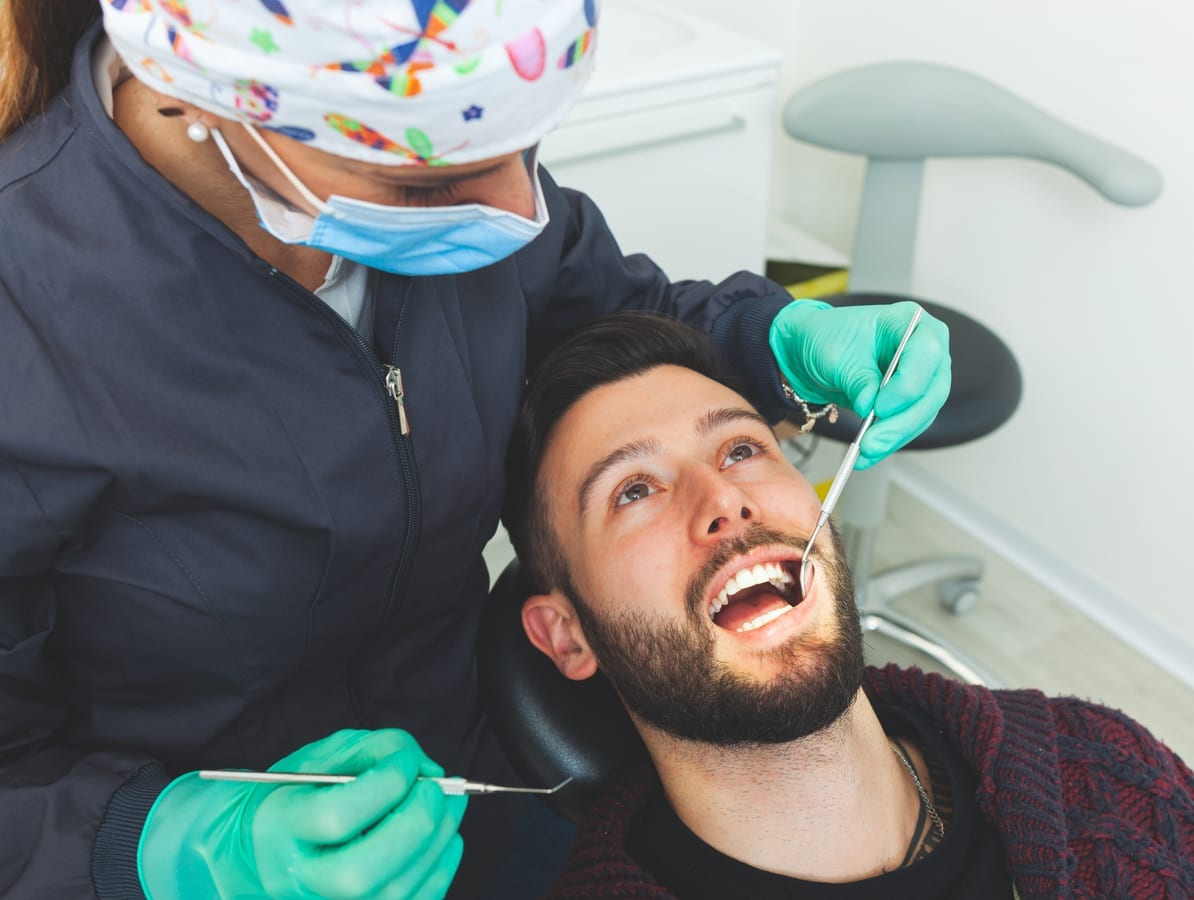
A more frequent cleaning visit is not dramatically different from your standard appointment. The key difference is that Dr. Siaj and our hygienists focus heavily on monitoring and maintenance. You will receive a thorough professional cleaning, updated periodontal measurements, and a personalized home care review.
Here is what a typical visit looks like:
- Health history update: We check for any changes in medications or medical conditions since your last visit.
- Periodontal assessment: Gum pocket depths are recorded and compared to previous measurements.
- Scaling and polishing: Our hygienist removes plaque and tartar from all tooth surfaces, including below the gumline.
- Fluoride treatment (if recommended): This strengthens enamel and reduces cavity risk between visits.
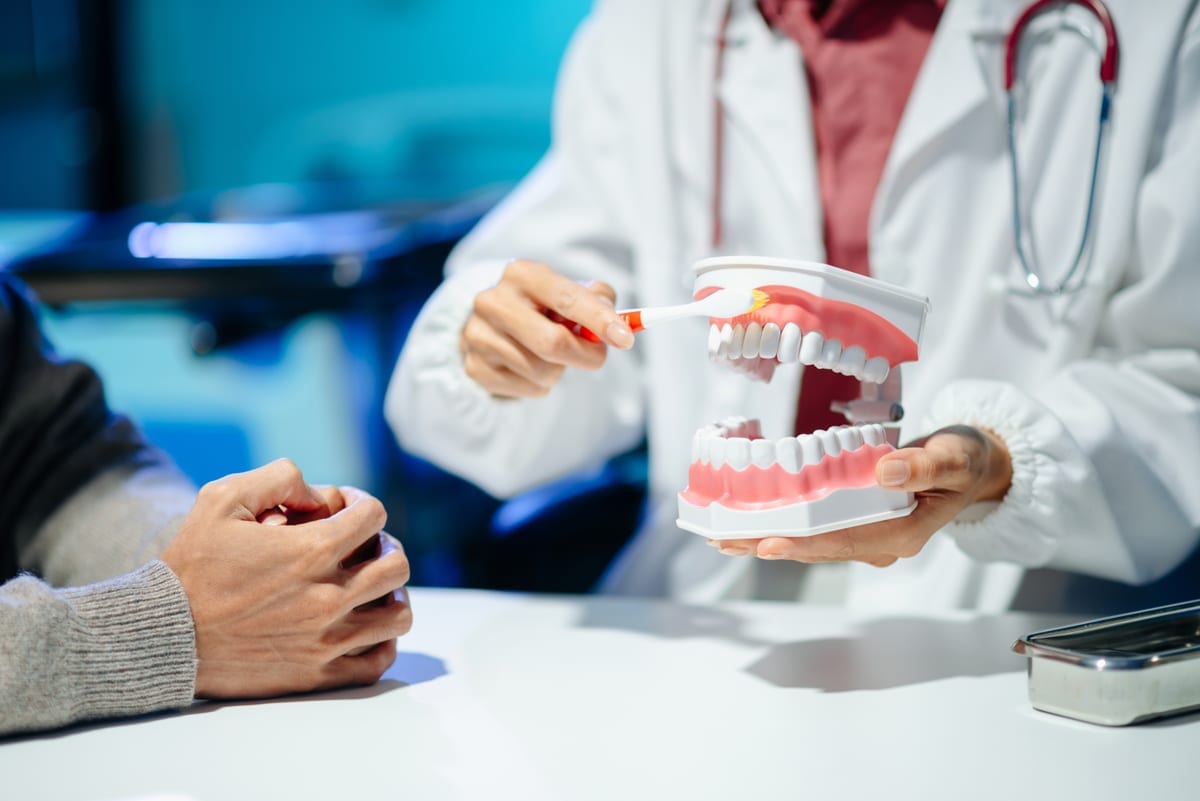
- Personalized brushing and flossing coaching: We reinforce techniques that work best for your specific situation.
These visits are also an excellent opportunity to discuss any cosmetic goals you may have. Patients interested in Cosmetic Dentistry Chicago options often find that getting their gum health optimized first leads to better and longer-lasting cosmetic results.
The Long-Term Value of Sticking to Your Recommended Schedule
It can be tempting to skip a three-month cleaning, especially when you feel fine. But oral disease is often painless in its early stages. By the time discomfort appears, significant damage may already be present.
Consistent cleanings on the right schedule deliver real, measurable benefits:
- Significantly lower risk of tooth loss from advanced gum disease
- Reduced systemic inflammation linked to heart disease and diabetes
- Earlier detection of oral cancer and other serious conditions
- A brighter, healthier smile maintained over the long term
- Lower overall dental treatment costs through prevention
Chicago winters bring added stress, diet changes, and sometimes less rigorous self-care routines. Staying on your recommended cleaning schedule helps offset these seasonal habits and keeps your oral health on track year-round.
Frequently Asked Questions
Is it really necessary to get a cleaning every 3 months, or is my dentist being overly cautious?
The three-month recommendation is grounded in clinical evidence, not caution alone. For patients with active gum disease or elevated decay risk, bacteria recolonize quickly after a cleaning. Waiting six months allows enough bacterial growth to reverse progress made at your last visit. Dr. Siaj only recommends this schedule when your oral health data supports it.
Will I need to stay on a 3-month schedule forever?
Not necessarily. Many patients improve their gum health over time and return to a six-month schedule. Your cleaning frequency is reviewed and adjusted at every visit. Consistent home care, lifestyle improvements, and managing underlying health conditions can all help you transition to a longer interval.
Does getting cleanings every 3 months mean my teeth are in bad shape?
Not at all. It simply means your mouth requires closer monitoring to stay healthy. Think of it the same way you would think about a doctor recommending more frequent blood pressure checks. It is preventive, not reactive. Many patients on three-month schedules have excellent teeth — they are just maintaining that health more actively.
What can I do at home to improve my oral health between visits?
Brushing twice daily with a soft-bristle toothbrush and fluoride toothpaste is essential. Flossing once daily removes plaque from areas your toothbrush cannot reach. Using an antiseptic mouthwash can also reduce bacterial load between appointments. Dr. Siaj and our hygienists will give you personalized guidance at every visit based on your specific needs.
How do I know if I should be on a 3-month or 6-month cleaning schedule?
The best way to find out is through a comprehensive examination with Dr. Siaj at Wicker Park Dental Group. He will assess your gum pocket depths, decay history, systemic health factors, and home care habits. Based on that full picture, he will recommend the interval that gives your smile the best long-term outcome.
Your oral health is worth protecting with the right plan — not just any plan. Book Now to schedule your appointment with our team.